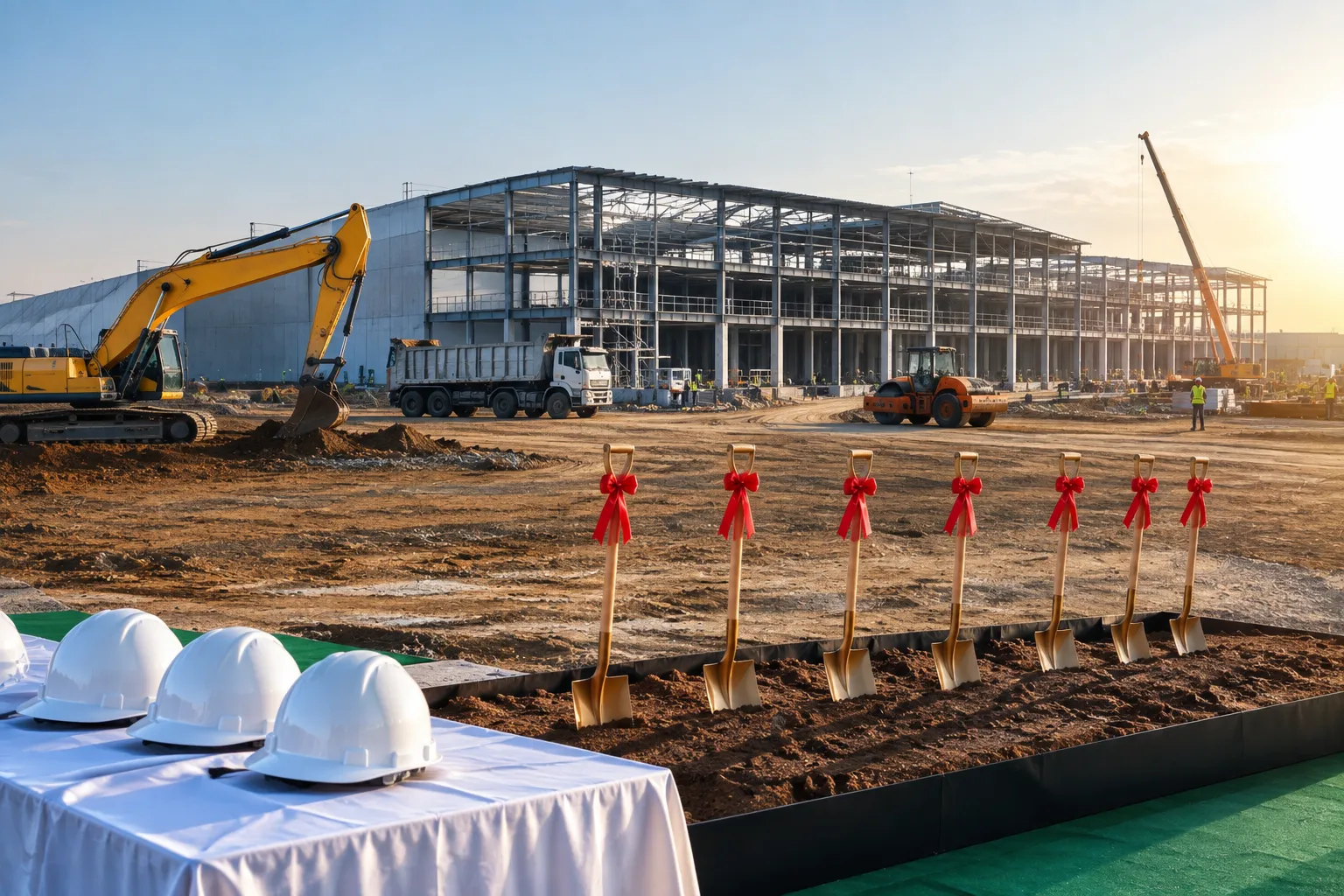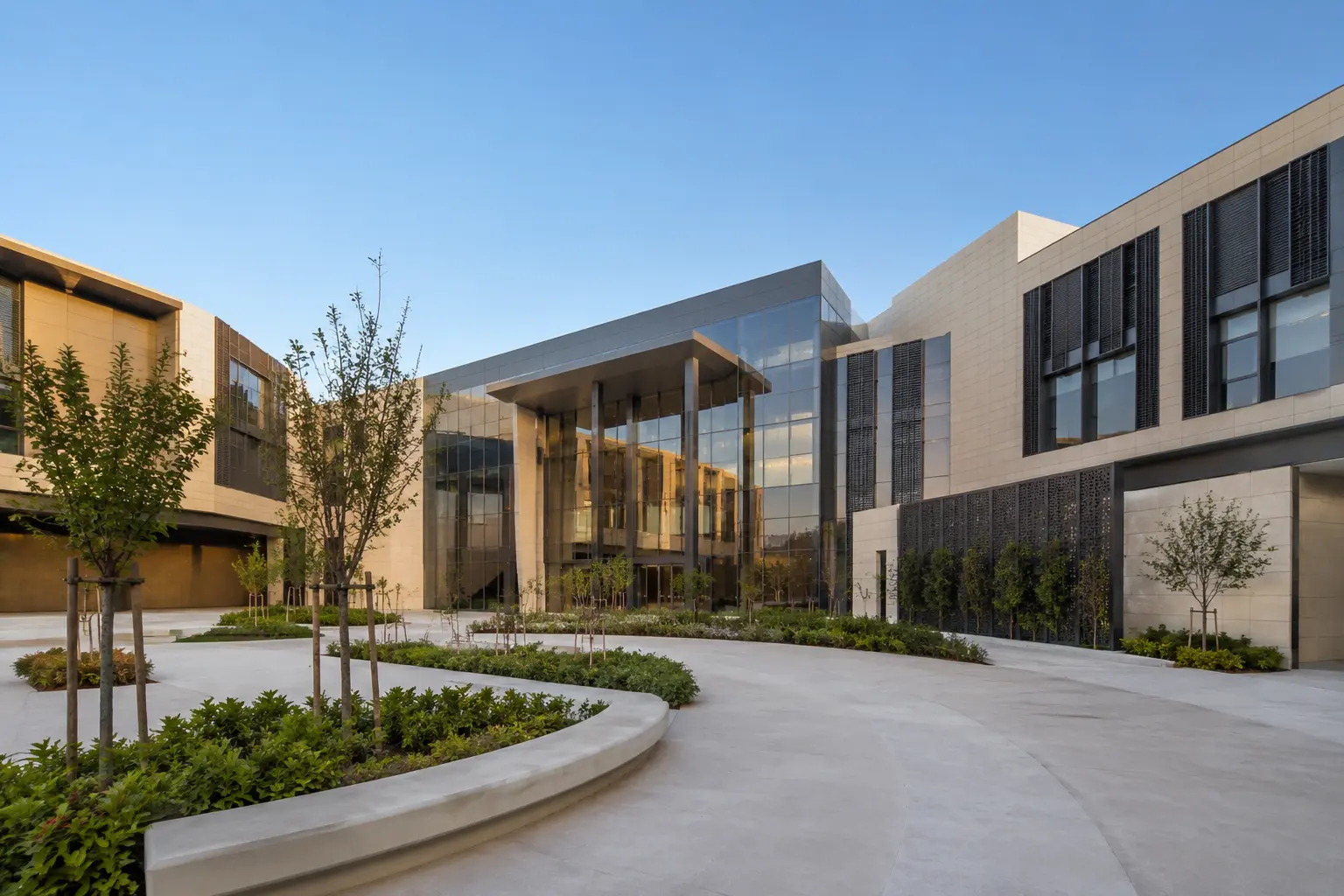
NETHERLANDS —Dutch healthcare provider Bravis Hospital has secured a €203 million financing facility from the European Investment Bank (EIB) to construct a modernized medical facility in Roosendaal, replacing its existing infrastructure in Roosendaal and Bergen op Zoom. The comprehensive funding package, backed by commercial lenders ABN AMRO and Rabobank alongside the Dutch Healthcare Guarantee Fund, supports the development of a 77,500-square-meter facility in the De Bulkenaar area. Groundbreaking is slated for October 2026, with full operational completion scheduled for 2030. The project integrates advanced infection control, dedicated outpatient operations, and energy self-sufficiency features to address regional healthcare demands across the south-western Netherlands.
The European Investment Bank (EIB) is the public lending arm of the European Union (EU), owned by its member states, which provides long-term capital for projects that align with EU policy objectives, including infrastructure, climate action, and public health. Bravis Hospital operates as a regional healthcare institution delivering specialized medical services, emergency care, and clinical facilities across the south-western part of the Netherlands.
This financing initiative marks a major capital deployment in European healthcare infrastructure, highlighting a strategic shift toward decarbonized and climate-resilient medical assets. By transitioning from two aging facilities into a single central campus supplemented by dedicated outpatient care, Bravis optimizes clinical capacity while significantly reducing operating overhead. The shift away from fossil fuels demonstrates how public healthcare systems are combining infrastructure modernization with stringent ESG targets.
For financial institutions and contractors, the multi-lender structure underscores the increasing importance of public-private risk-sharing mechanisms in funding large-scale public utility projects. Commercial banks and institutional investors are increasingly leveraging credit guarantees from healthcare funds and international finance institutions to mitigate construction and operational risks.
From a policy and operational standpoint, the development establishes a benchmark for future European hospital projects. Modernizing clinical infrastructure with a focus on single-patient rooms and zero-gas energy self-sufficiency addresses dual challenges: managing aging demographic pressures and complying with aggressive European decarbonization mandates. Businesses across construction, green energy technology, and medical equipment supply chains stand to capture substantial procurement opportunities as European healthcare systems accelerate similar asset replacement cycles.