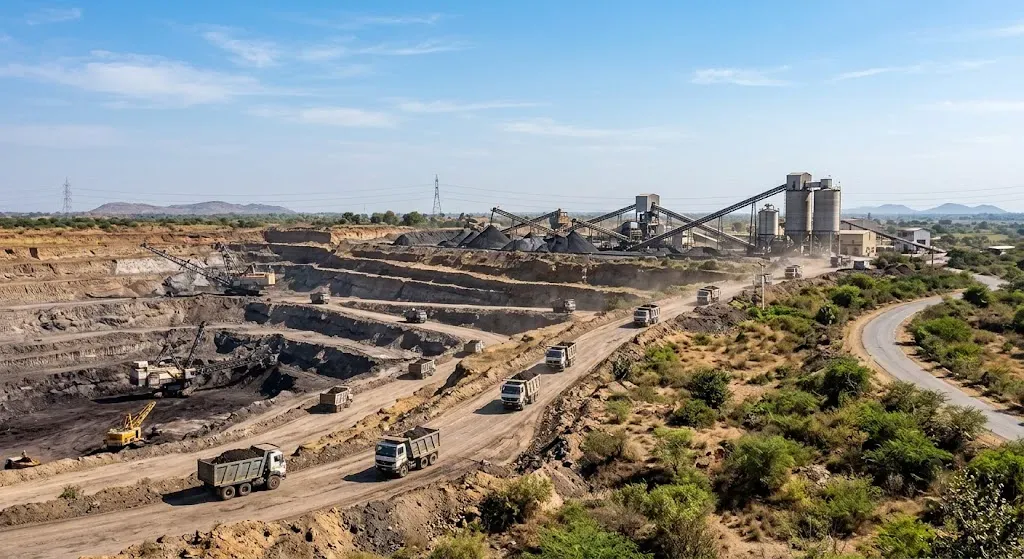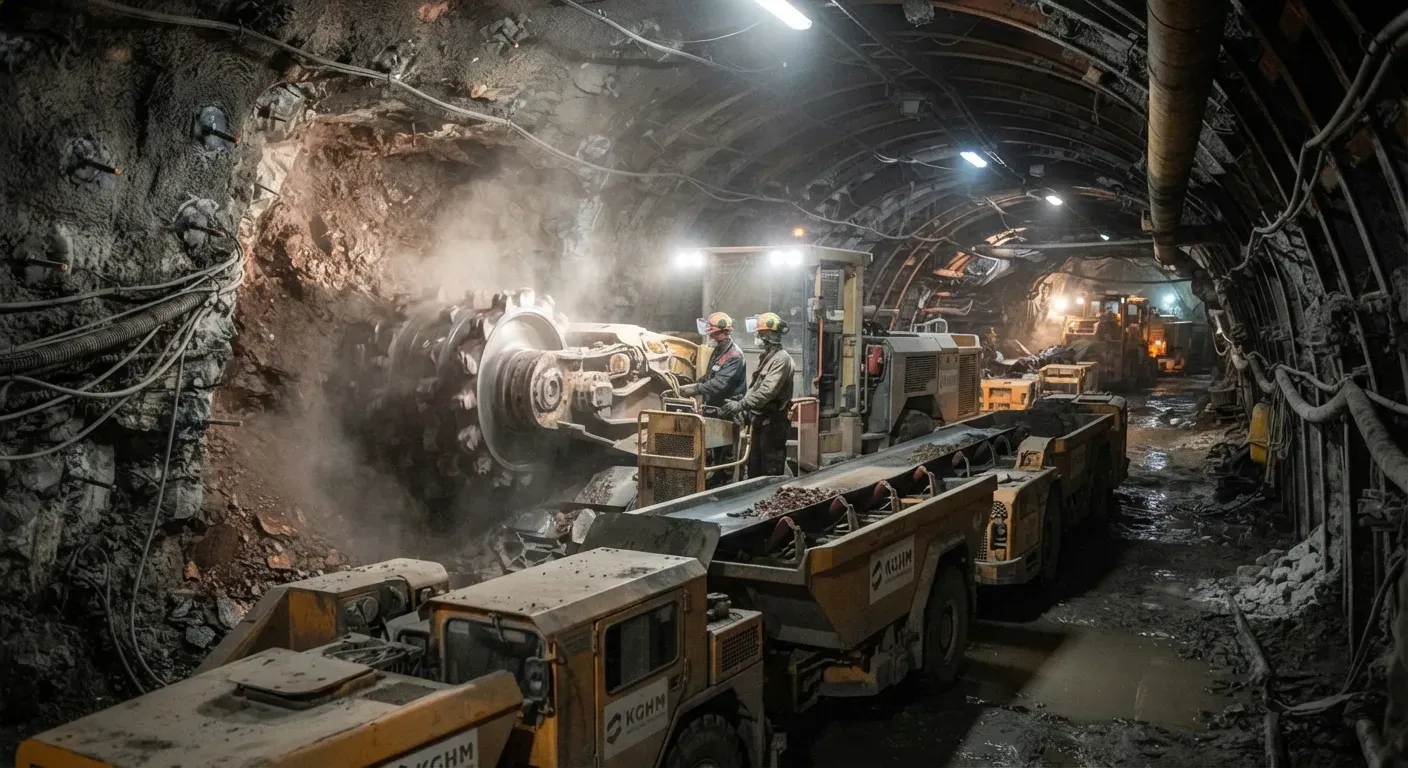
POLAND —Financing totaling PLN 1.7 billion, has been extended by the European Investment Bank (EIB) to Poland's KGHM to advance multi-year capital projects across mining and metallurgy. Supported by a total investment package valued at PLN 2.6 billion and partially guaranteed through InvestEU under the TechEU programme, the funding is earmarked for sinking the GG-1 shaft toward a depth of nearly 1.4 kilometres by 2029, deploying lower-emission underground conveyor systems, and introducing advanced electrorefining technology at a smelting facility.
Copper underpins electrification, grid expansion, digital hardware, and data centre buildouts, making domestic extraction and refining capacity central to European industrial security. With global demand expanding alongside energy and digital transitions, securing deeper domestic ore bodies and cleaner processing routes reduces exposure to external supply bottlenecks while maintaining operational continuity across European manufacturing value chains.
The agreement aligns directly with the European Union's Critical Raw Materials Act and reflects broader policy efforts to localize critical mineral supply within the bloc. Alongside recent EIB backing for copper processor Aurubis in Germany and exploratory engagement on raw material initiatives in Canada, the transaction illustrates how public development finance is being deployed to de-risk capital-intensive extraction and metallurgical modernization.
For industrial buyers, mining contractors, and institutional investors, long-tenor financing from multilateral lenders lowers funding friction on deep-shaft development and process upgrades that require extended payback horizons. KGHM, headquartered in south-western Poland with around 34,000 employees and operations spanning Poland, Chile, the United States, and Canada, accounts for roughly half of primary copper output in the European Union and ranks among major global producers of copper and silver. Strengthening its domestic extraction and refining base supports long-term supply visibility for European downstream manufacturers while tying capital allocation more closely to energy efficiency and lower emissions.