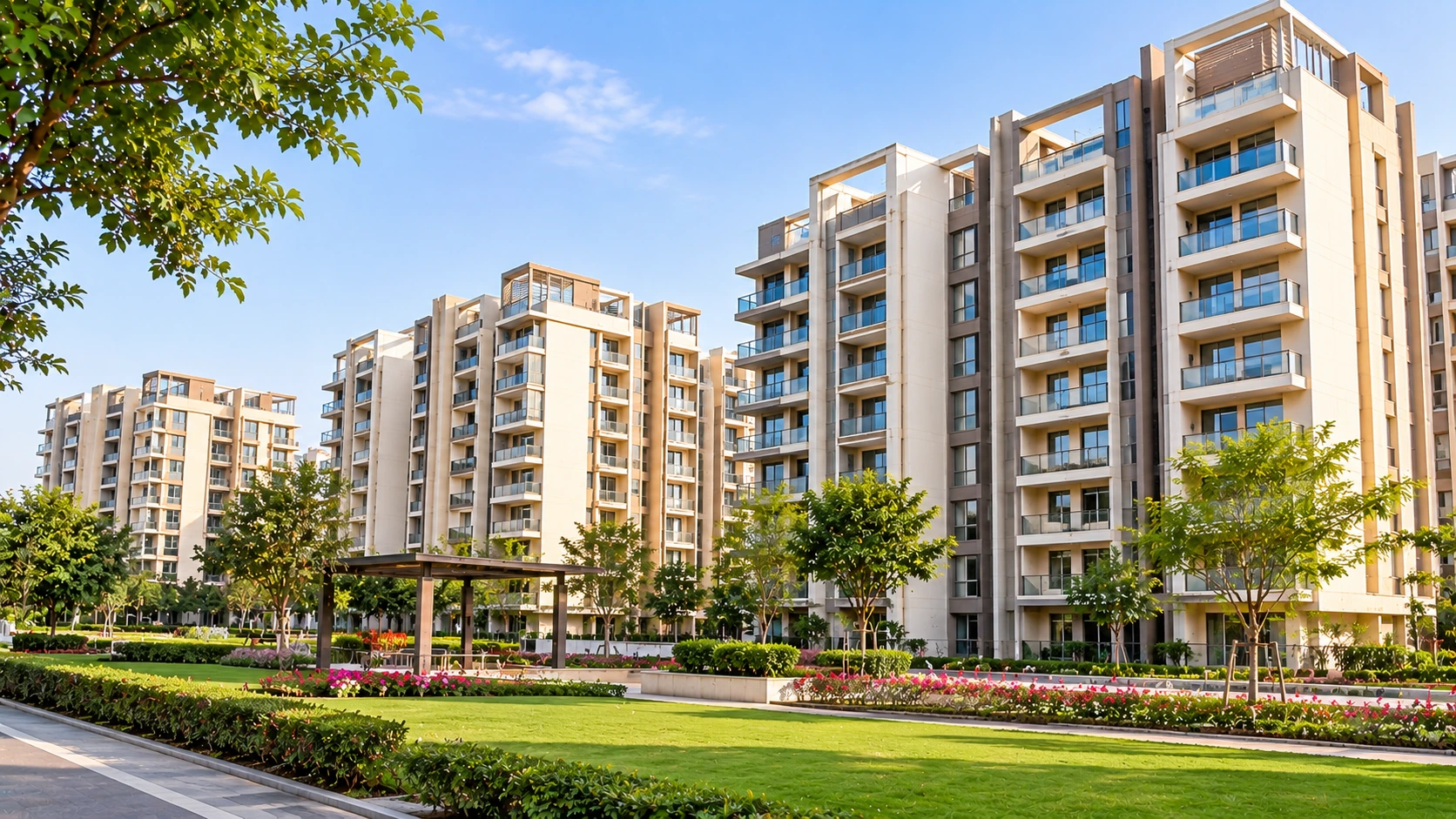
INDIA —Eldeco Housing and Industries has disclosed a comprehensive strategic blueprint aiming for an estimated revenue realization of ₹55 billion across its active development pipeline and acquired land reserves over the next five to six years. The real estate developer intends to expand its operational scale threefold through key residential offerings across strategic North Indian urban centers, backed by a disciplined balance sheet and structured land acquisition models.
The expansion strategy prioritizes high-growth urban corridors, primarily centered in Lucknow, Uttar Pradesh. The near-term launch pipeline features targeted projects including Shaheed Path, Palm Springs, and Eldeco Namah, scheduled for release prior to the close of March 2027. Additionally, phased development plans include subsequent residential projects positioned along the Shaheed Path belt, utilizing land acquired from municipal urban planning authorities through deferred payment arrangements that minimize immediate capital outlay.
Beyond its core focus in Lucknow, the developer is actively pursuing geographical expansion into emerging regional hubs such as Gorakhpur, backed by preliminary agreements with local land holdings. Meanwhile, ongoing projects such as Latitude 27 are progressing toward operational completion, positioning the company to capture strong residential real estate demand and lock in resilient EBITDA margins across its regional portfolio.
This initiative underscores a growing structural shift toward organized residential real estate in India's Tier-2 regional economic corridors. Enhanced infrastructure spending, expanding suburban transport connectivity, and robust end-user demand are driving real estate activity away from saturated tier-1 metropolises, creating strong capital appreciation and volume growth opportunities for institutional and regional developers.
For financial institutions, construction suppliers, and municipal planning authorities, Eldeco's structured pipeline represents steady demand for engineering procurement, material sourcing, and housing finance over the coming decade. The ongoing consolidation of regional housing markets under transparent regulatory frameworks continues to favor well-capitalized entities capable of executing multi-stage residential developments.