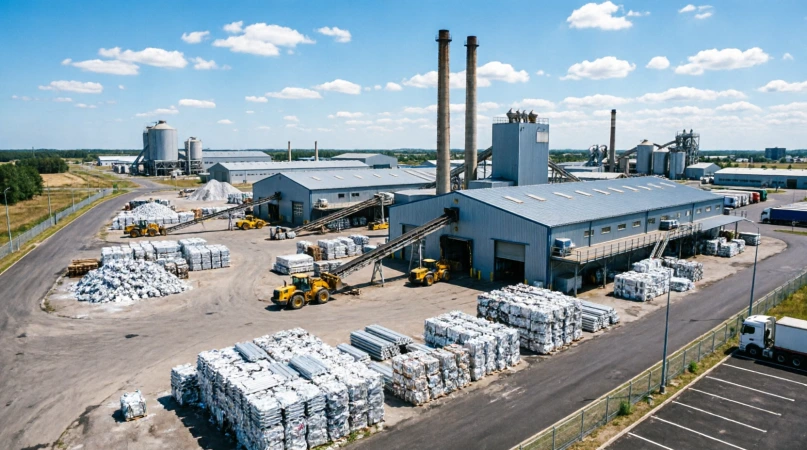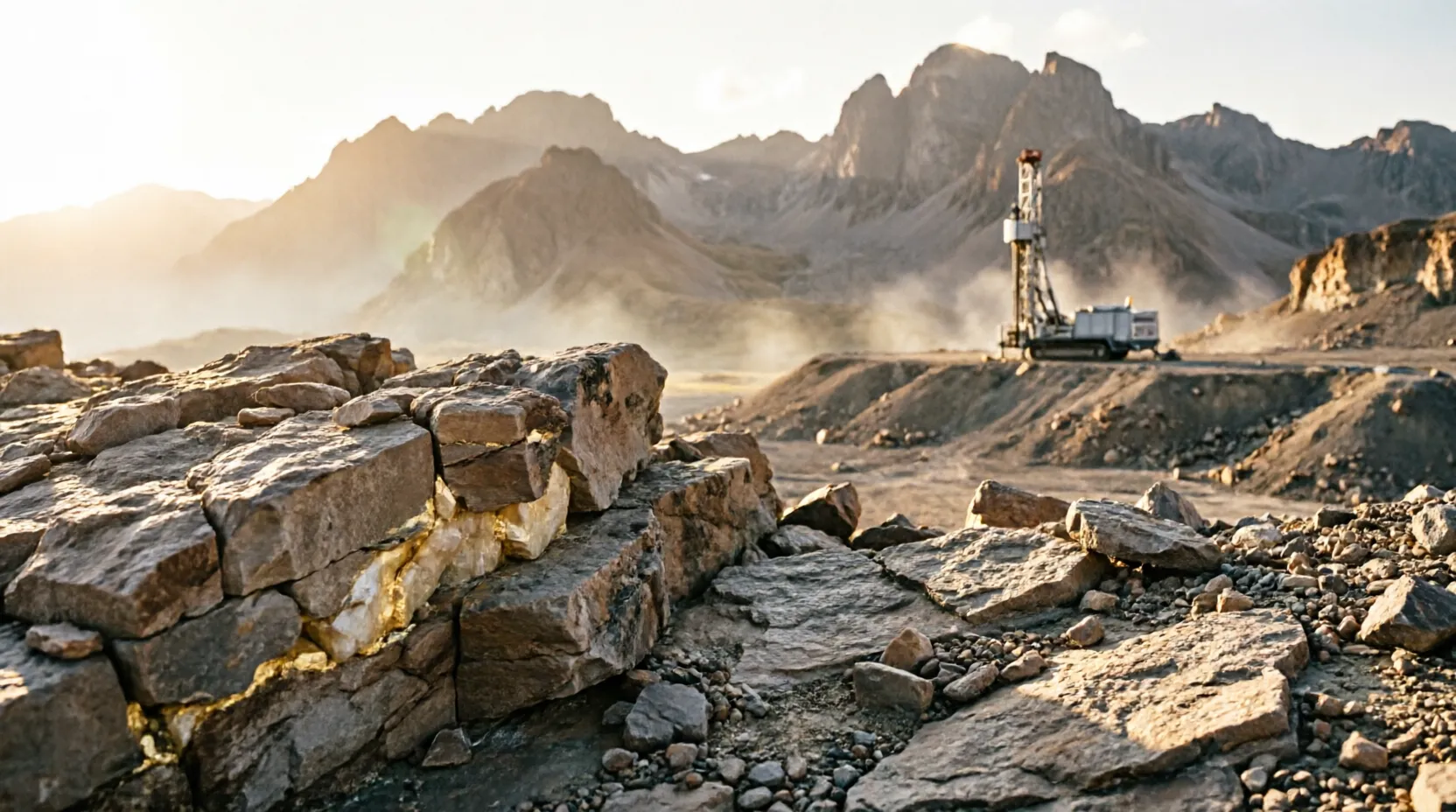
GREECE —Eldorado Gold Corporation has reached a pivotal commissioning phase at its wholly owned Skouries project in northern Greece after producing its first copper-gold concentrate. Following the primary ore crushing phase initiated earlier in the summer, the facility has successfully brought its grinding, flotation, and thickening circuits online. Processing operations are currently supported by an on-site stockpile exceeding 4.6 million tonnes of ore, which provides more than seven months of continuous mill feed to support the operational ramp-up phase toward full commercial output scheduled for the fourth quarter of 2026. Grid power integration is expected to conclude following final testing by national utility authorities, replacing temporary power installations.
This achievement represents a substantial shift in European mineral supply dynamics, advancing a major regional project from capital-intensive construction into revenue-generating operations. For the owner, the asset diversifies its balance sheet by expanding its portfolio beyond gold into critical base metals, significantly enhancing long-term cash flow generation capabilities. The project is projected to yield an annual average of 140,000 ounces of gold and 67 million pounds of copper over its operational lifespan.
The transition to active production reinforces domestic resource independence across European industrial supply chains. By establishing localized extraction and processing infrastructure for copper-a key component in electrification and energy transition technologies-the project helps mitigate European reliance on external raw material imports. Furthermore, the operational phase contributes to regional economic development through sustained employment, local supply chain utilization, and substantial tax contributions within the Greek jurisdiction.
For institutional investors and resource sector analysts, the operational progress at Skouries validates the successful execution of complex capital deployment in Southern Europe. The project's transition lowers development risk and positions the operator to capitalize on long-term structural demand for transition metals. As the facility scales toward full commercial capacity, stable concentrate output is expected to strengthen corporate liquidity and provide a strategic blueprint for multi-metal development projects across the region.