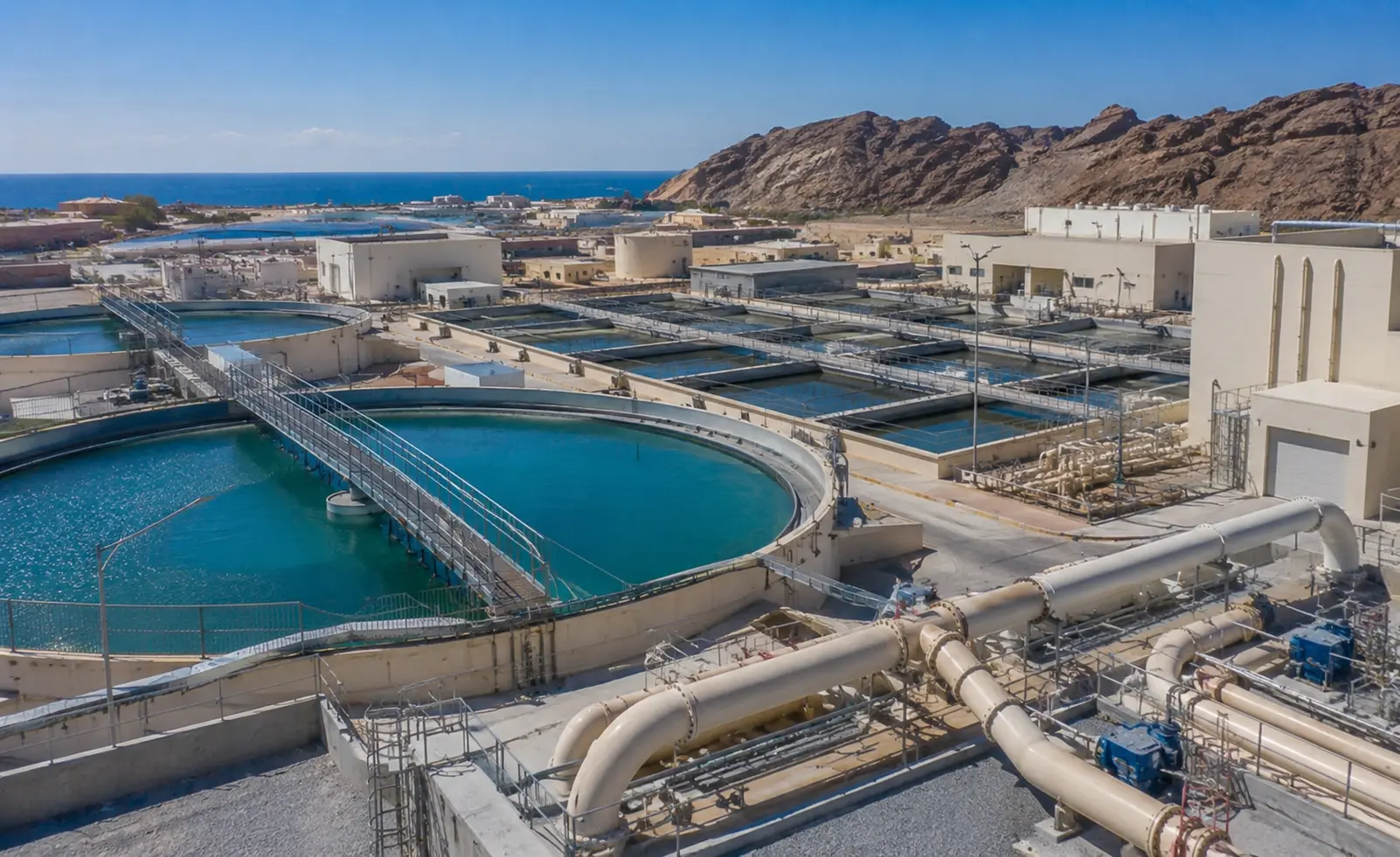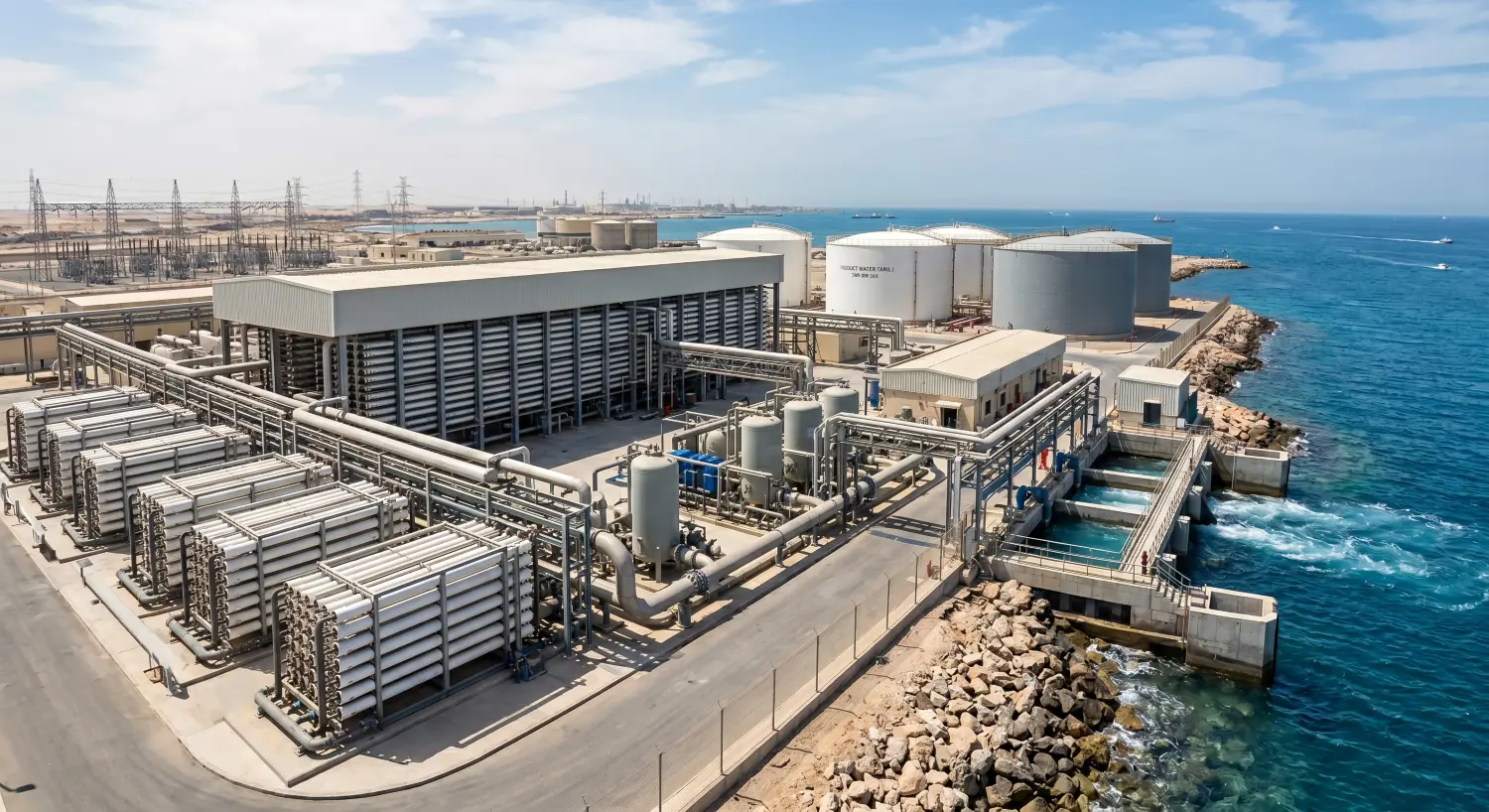
SAUDI ARABIA —Energy Recovery has secured a agreement to supply its proprietary PX Pressure Exchanger energy recovery devices to a flagship seawater reverse osmosis desalination facility under construction in Saudi Arabia, according to company disclosures. Operating under the umbrella of the Kingdom's Vision 2030 economic and infrastructure modernization program, the new facility is engineered to deliver a secure, drought-resilient potable water supply to roughly one million people spanning the Mecca, Al-Baha, and Asir regions.
Headquartered in the United States and listed on the Nasdaq, Energy Recovery Inc. specializes in engineering and manufacturing energy efficiency technologies for high-pressure fluid flow processes. The enterprise's pressure exchanger hardware is widely integrated into municipal and industrial desalination plants globally to lower power requirements and reduce operating expenses.
Desalination via reverse osmosis has historically required significant power input, with electricity often constituting the single largest operational expense for water utility operators. Energy Recovery's PX devices operate with up to 99 percent efficiency, reducing energy consumption in seawater reverse osmosis operations by as much as 60 percent. Built with a single moving part and engineered for a 30-year operational life, the technology enhances infrastructure durability while blunting the carbon footprint associated with large-scale municipal water production.
The installation carries substantial policy and environmental weight across the Middle East, where rapid population growth and arid climatic conditions drive aggressive investments in non-conventional water resources. Saudi Arabia's Vision 2030 initiative prioritizes sustainable resource management and the phase-out of energy-intensive thermal desalination plants in favor of high-efficiency reverse osmosis technology. This transition is crucial for helping regional utility authorities balance escalating municipal water demands with national carbon reduction targets.
From a market standpoint, the project highlights persistent demand for specialized clean technology components within multi-billion-dollar global water infrastructure developments. For engineering contractors and plant developers, incorporating high-efficiency energy recovery systems provides a clear pathway to optimize operational expenditure over multi-decade concession periods. Furthermore, for institutional investors evaluating environmental, social, and governance criteria, long-term equipment deployments backed by sovereign infrastructure mandates offer strong validation for energy efficiency hardware markets.