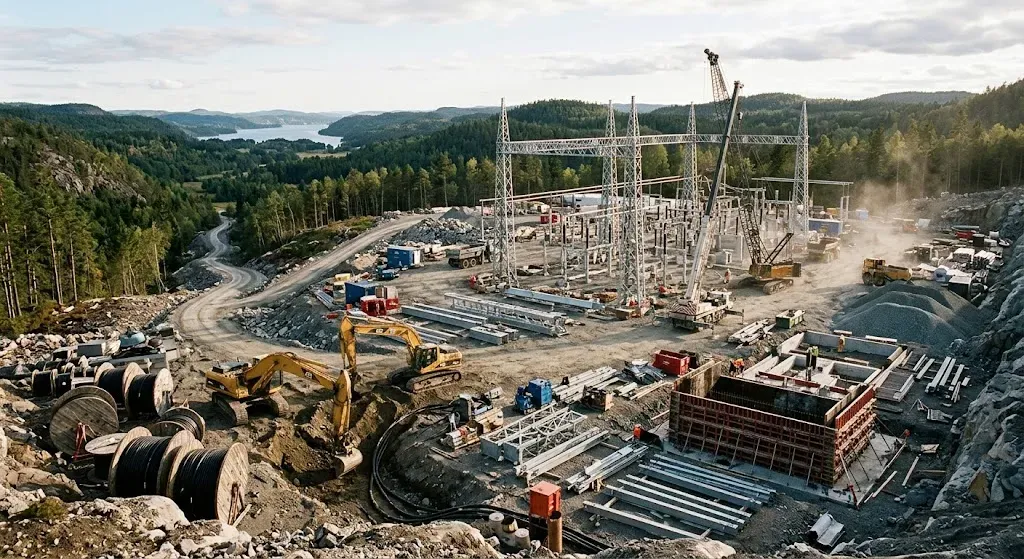
ESTONIA; FINLAND —Enersense International and Betolar have formalized an operational alliance through a comprehensive framework agreement designed to fortify critical energy assets and data processing facilities against physical threats and sabotage. The pact follows an initial memorandum of understanding established earlier in the year, operationalizing a collaborative model aimed at electrical grid networks and industrial installations throughout Finland and the Baltic region.
The strategic partnership emerges amid a measurable escalation in hostile incidents targeting European foundational networks, including submarine communication line disruptions and aerial incursions targeting electrical substations. These vulnerabilities pose significant risks of prolonged multi-month service outages spanning electricity, municipal heating, and digital data networks, underscoring an urgent regional demand for enhanced structural resilience.
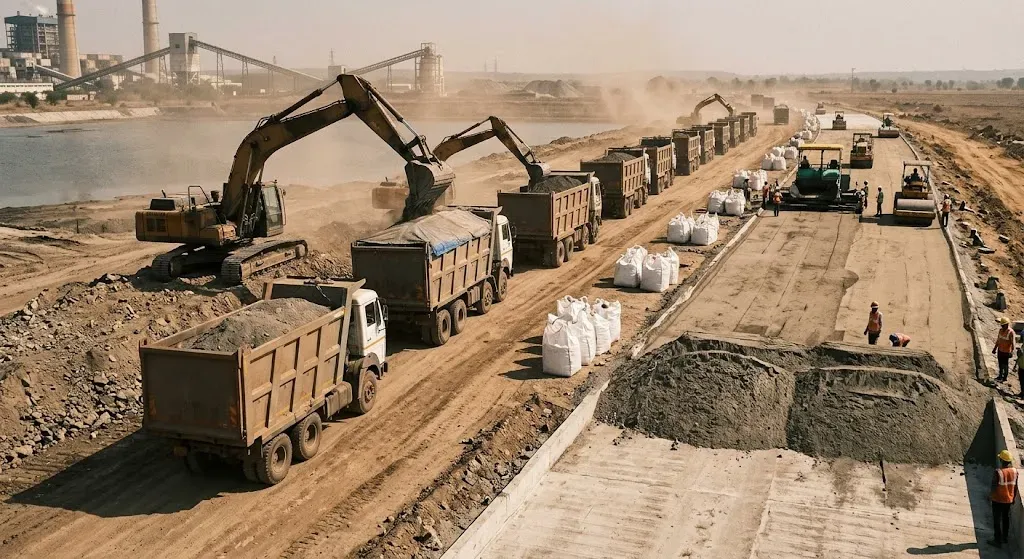
The initiative integrates specialized protective systems—ranging from physical barriers and drone interception infrastructure to low-carbon material technologies utilized in heavy construction projects. By merging proprietary material methodologies with specialized utility engineering, the firms offer comprehensive project lifecycles from risk identification to final deployment. Betolar is a Finnish material technology enterprise specializing in sustainable construction inputs and circular economy frameworks, while Enersense operates as a primary provider of design, construction, and maintenance services for energy transmission and power infrastructure.
For corporate stakeholders, energy operators, and institutional investors, the collaboration highlights an expanding commercial market focused on asset hardening and infrastructure defense. Utility providers face heightened regulatory and operational pressures to secure grid networks against asymmetric threats, driving sustained expenditure toward advanced physical security, anti-drone mechanisms, and climate-resilient building materials across Northern and Eastern European markets.