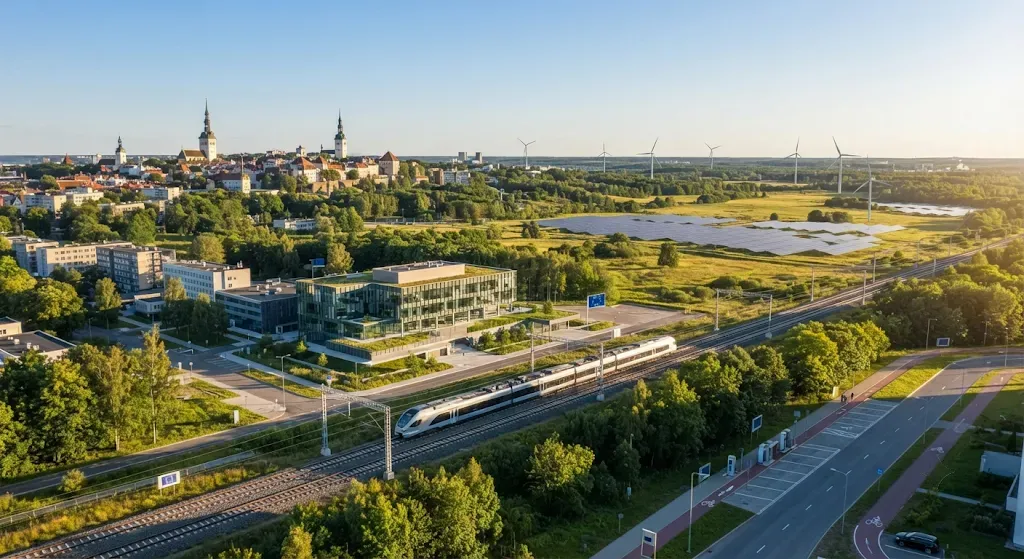
ESTONIA —The European Commission has issued a preliminary greenlight for Estonia's fifth and ultimate funding tranche worth €190.6 million under the Recovery and Resilience Facility (RRF), bringing total disbursements to €953 million. This final authorization reflects the completion of all 113 national milestones and targets tied to the European Union economic recovery instrument. The European Commission functions as the politically independent executive arm of the European Union, responsible for proposing legislation, enforcing EU law, and managing budgetary programs. Estonia is a sovereign Baltic member state of the European Union renowned for its advanced digital public governance and integrated e-services infrastructure.
This development concludes a multi-year national overhaul that directed capital toward critical infrastructure upgrades, green energy transitions, and digital public administration. Achieving complete absorption underscores administrative efficiency and strict adherence to structural reform benchmarks established by the Economic and Financial Committee (EFC). The final disbursement validates the country's capacity to execute complex public mandates ahead of the overarching facility closure scheduled for the end of 2026. Such milestones serve as a benchmark for member states navigating complex European fiscal frameworks and performance-based disbursements.
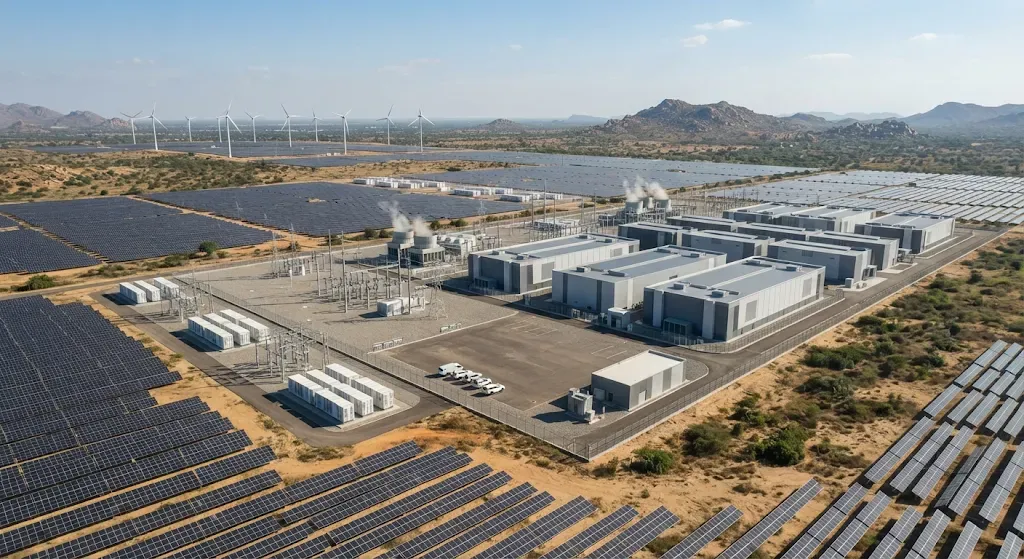
The successful execution directly influences several foundational sectors, including telecommunications, residential real estate, renewable utilities, and public health administration. Infrastructure projects delivered under the initiative include extensive very high-capacity broadband deployment, targeted medical workforce training, and large-scale residential energy efficiency renovations. Furthermore, the establishment of sustainable biomethane production facilities reinforces regional energy independence by transforming agricultural waste into commercial energy resources. Industrial stakeholders and municipal authorities benefit from streamlined digital administrative services designed to reduce bureaucratic friction.
For corporate operators and institutional investors, the conclusion of the national recovery framework signals a stabilized regulatory and technological environment within the Baltic region. Enhanced digital infrastructure and modernized public service portals lower operational barriers for commercial enterprises while elevating standards for energy efficiency and supply security. Institutional investors evaluating regional opportunities gain clarity from finalized structural reforms, particularly within renewable energy, telecommunications, and healthcare sectors where long-term capital allocation relies heavily on predictable public policy frameworks.