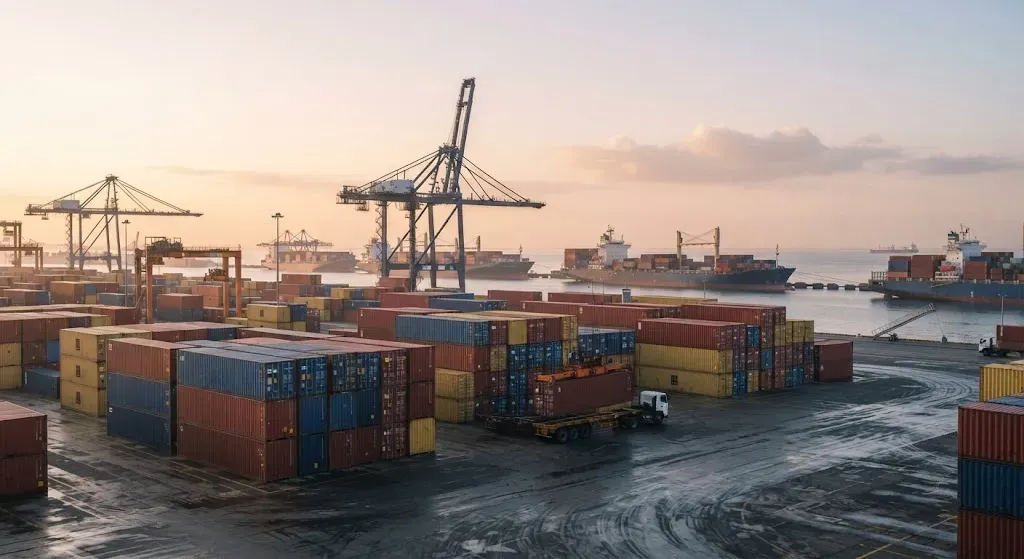
PHILIPPINES; EUROPE —Negotiators from the European Union and the Philippines have concluded a substantial framework for a bilateral Free Trade Agreement following high-level discussions between trade officials. The proposed pact seeks to dismantle trade barriers across more than 94 percent of tariff lines, which encompasses over 97 percent of current bilateral merchandise commerce. The accord introduces standardized regulatory frameworks across digital trade, intellectual property enforcement, and sanitary compliance.
The agreement carries significant weight for transnational corporations, agricultural exporters, and industrial manufacturers seeking to mitigate geopolitical vulnerabilities through market diversification. By opening the Philippine government procurement sector to external bidders for the first time, the treaty establishes predictable operational parameters for foreign contractors, while securing robust protections for regional raw material access and renewable energy investments.
Operating as a supranational political and economic union of European member states, the European Commission coordinates commercial policy and trade negotiations on behalf of its member territories. The Philippines functions as a major sovereign democratic republic in Southeast Asia characterized by an expansive domestic consumer base and rapid economic growth trajectories within the broader Indo-Pacific theater.
Commercial entities, logistics providers, and industrial investors must prepare for structural shifts as tariff eliminations take effect across critical manufacturing and agrifood sectors. Regional enterprises should audit existing supply chain dependencies to leverage newly established compliance protocols, intellectual property safeguards, and digital commerce provisions designed to streamline cross-border operations.