NETHERLANDS —Salvia BioElectronics has secured EUR 25 million in venture debt financing from the European Investment Bank (EIB) under the InvestEU framework to advance clinical development of its investigational MySalvia System for resistant migraine. The capital targets patients who continue to experience substantial disability despite trying multiple preventive regimens, supporting ongoing evaluations across European and United States clinical settings, including the pivotal RECLAIM-II study in adults with resistant migraine alongside exploratory work in chronic cluster headache.
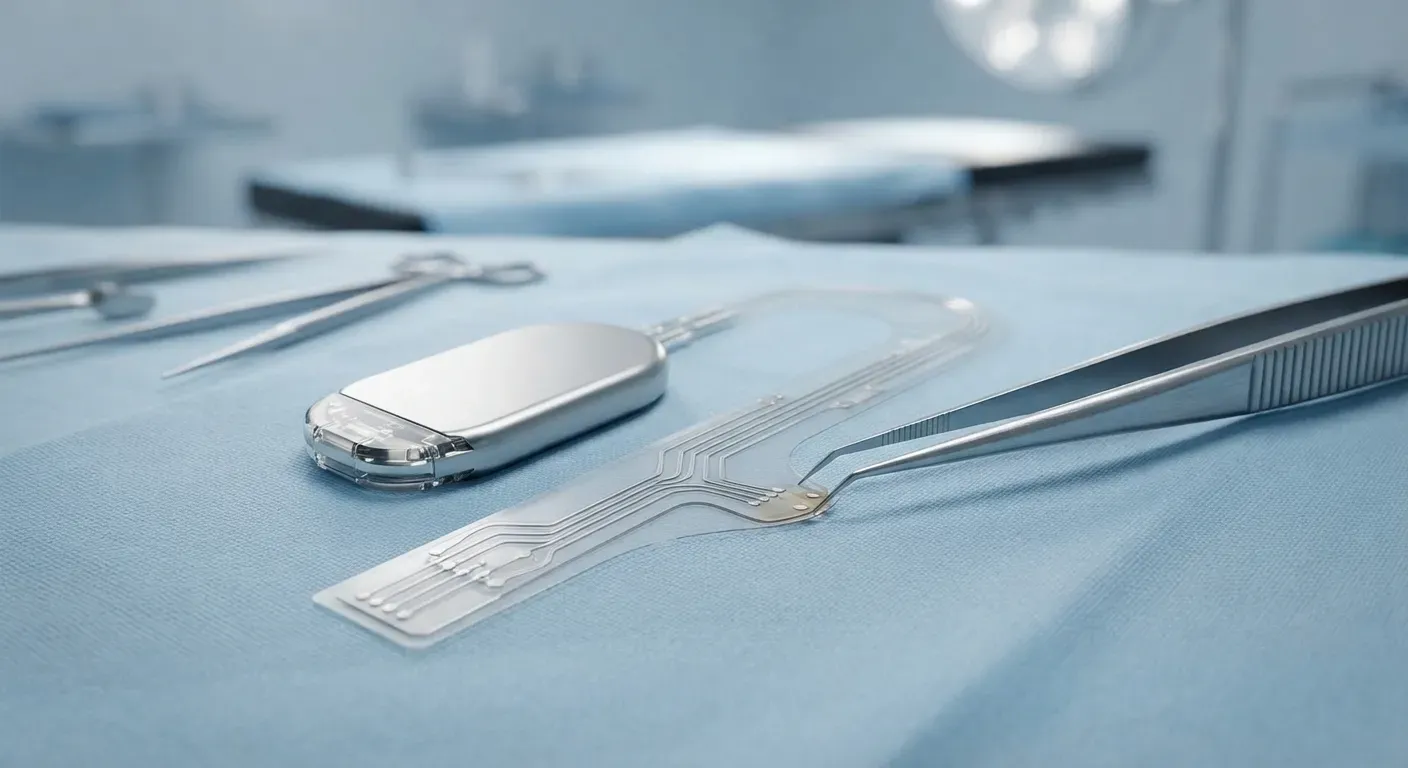
Founded in 2017 and headquartered in Eindhoven, the Netherlands, Salvia BioElectronics is a clinical-stage medical device developer focused on implantable neuromodulation therapies. Its MySalvia System pairs two subdermal ultra-thin implants with an external earable component to deliver targeted electrical stimulation along neural pathways associated with migraine and potentially chronic cluster headache.
Venture debt provides non-dilutive capital at a stage when medical device companies face high trial expenditures and multi-year regulatory timelines before commercial revenue is achievable. For patients with refractory headache disorders, advancing minimally invasive neuromodulation addresses a persistent clinical gap where standard pharmacotherapy leaves significant unmet need, while giving clinical investigators additional data on safety, durability, and long-term efficacy.
Within European healthcare and life sciences policy, the transaction illustrates how public financial institutions use risk-sharing guarantees to bridge late-stage translational funding gaps in medtech. Through InvestEU, European Union backing aims to strengthen domestic health technology commercialization and retain intellectual property and clinical development within European and transatlantic markets rather than relying solely on private equity or early strategic exits.
For medical device investors and industry executives, the facility highlights growing institutional appetite for structured debt in specialized bioelectronics and targeted neurostimulation. Companies developing regulated hardware face capital intensity and clinical execution risk, making non-dilutive credit lines a practical complement to equity rounds as firms prepare pivotal evidence for future regulatory submissions in Europe and the United States.