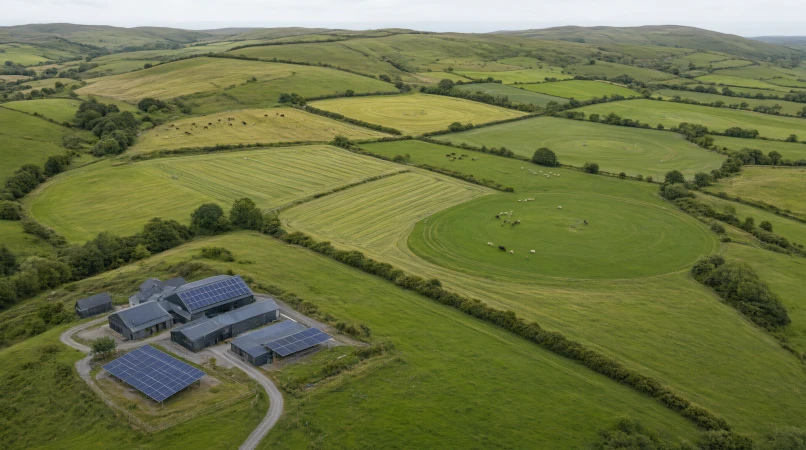
BELGIUM; BULGARIA —A new €8 million pan-European research initiative has commenced operations in Fermoy, County Cork, to modernize agricultural data collection and optimize pasture management across the continent. Known as GrassWise, the four-year Horizon Europe project brings together twenty research organizations across thirteen European countries alongside New Zealand. Coordinated by Ireland's national agricultural and food development authority, the endeavor marks the first time an Irish institution leads a Horizon Europe project dedicated specifically to grassland science.
Teagasc, the Irish Agriculture and Food Development Authority, is the national body responsible for research, training, and advisory services in Ireland’s agriculture sector. Operating as a state agency, Teagasc supports economic, social, and environmental sustainability in primary production and food processing through field-based research and farm advisory networks.
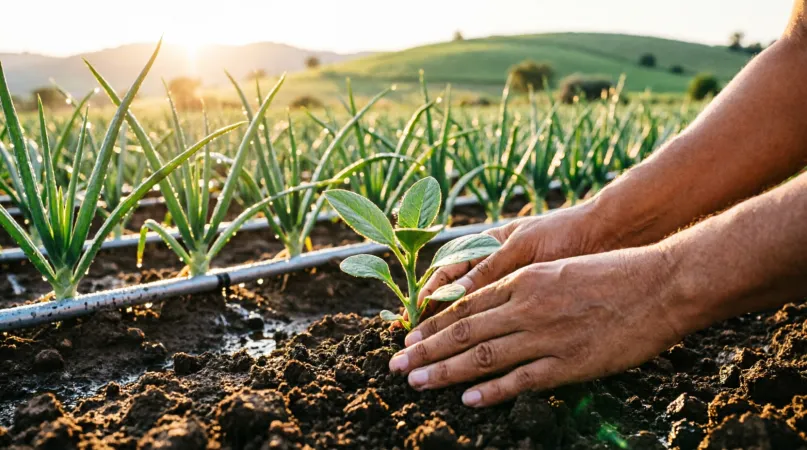
The project addresses a critical gap in European agricultural policy, where grasslands account for 34% of total agricultural land but lack standardized, cross-regional performance metrics. By deploying a network of 135 partner farms and nine communities of practice, GrassWise will harmonize field observations, satellite telemetry, and socioeconomic data across Europe’s nine distinct pedoclimatic zones ranging from Boreal to Mediterranean regions. This infrastructure is designed to yield an integrated European grassland data platform alongside next-generation decision-support tools for commercial producers.
For the agricultural and livestock industries, the initiative offers path-breaking tools to benchmark resource efficiency, improve feed quality, and enhance biodiversity within pasture-based systems. By bridging agronomy, earth observation, and data science, the project aims to help agribusinesses and farmers adapt to stricter EU environmental regulations while maintaining productivity. The deployment of circular, low-emission practices offers commercial livestock operators a structured framework to achieve climate neutrality targets while optimizing input costs.