CZECH REPUBLIC —The European executive branch has formally authorized the seventh and final funding request submitted by Czechia, unlocking €951 million through the overarching NextGenerationEU economic stimulus mechanism. The decision concludes the assessment phase for the state recovery blueprint, confirming that authorities in Prague have successfully executed 13 designated milestones and 25 operational targets. Founded in 1957, the European Commission acts as the politically independent executive arm of the European Union (EU), responsible for proposing legislation, enforcing EU law, and managing budgetary allocations.
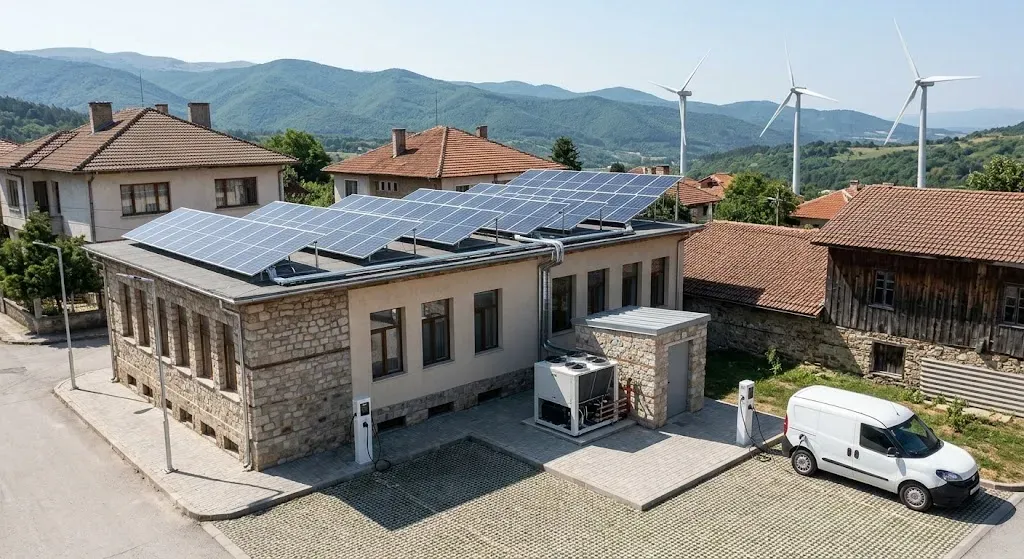
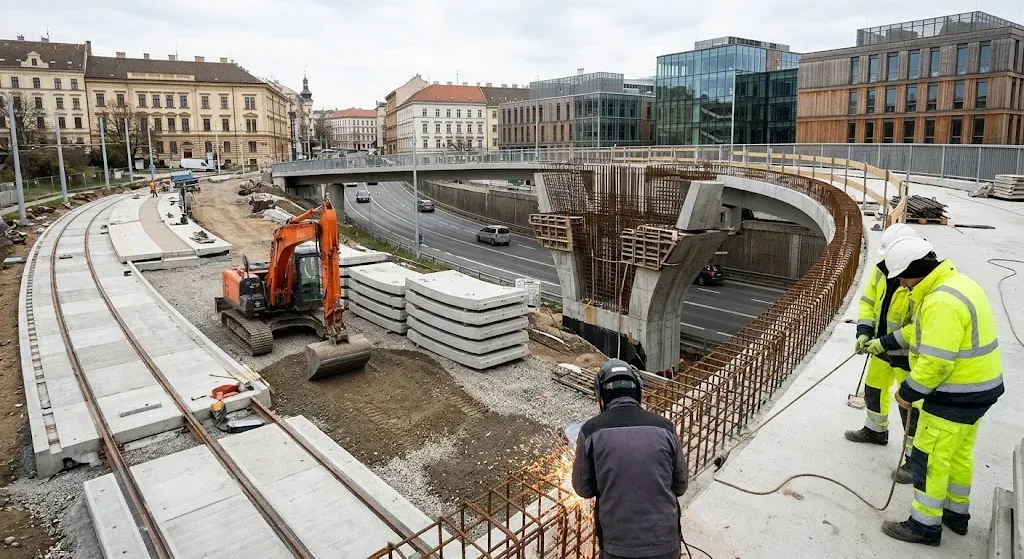
This capital injection finalizes the deployment of the national recovery framework, bringing total disbursements to Czechia to €8.6 billion. The package primarily targets structural enhancements across green energy integration, regional transit networks, affordable housing developments, and public healthcare modernization. Key allocations direct capital toward extensive building renovations, municipal grid expansion to accommodate renewable generation assets, and advanced medical technology deployment across regional oncology centers.
The conclusion of this funding cycle marks a critical juncture for regional commercial contractors, energy utility providers, and infrastructure developers operating within Central Europe. Industrial stakeholders specializing in grid modernization, renewable energy integration, and sustainable real estate development gain enhanced visibility over state-backed capital expenditure programs. Furthermore, the systematic upgrading of digital connectivity and transport corridors establishes improved logistical frameworks for industrial enterprises conducting cross-border commerce.
For institutional investors and corporate strategists, the successful closure of the national recovery program signals stable regulatory execution and predictable infrastructure spending patterns within the local market. The emphasis on high-efficiency public assets and decentralized energy networks reduces long-term operational risks for businesses reliant on stable utility infrastructure. Consequently, market participants can better align long-term capital deployment strategies with regional decarbonization and digital transformation mandates.