BELGIUM; EGYPT —The European Commission has introduced a new investment platform designed to accelerate clean energy development across the Mediterranean, using up to €4,500.00 million in guarantee capacity under the European Fund for Sustainable Development Plus (EFSD+). The T-MED Investment Platform will connect project developers with financial institutions and private investors, with the objective of reducing investment risks and advancing viable renewable energy and clean technology projects.
Presented in Brussels by Commissioner for the Mediterranean Dubravka Šuica, the platform forms part of the Trans-Mediterranean Renewable Energy and Clean Tech Cooperation Initiative, a flagship component of the Pact for the Mediterranean. Its investment priorities include renewable electricity generation, renewable hydrogen production, electricity transmission and distribution, energy storage, cross-border interconnections and manufacturing facilities for clean technologies.
The initiative also addresses regulatory and operational barriers that can delay energy investments. Its activities are intended to support improvements in permitting processes, grid access, regulatory frameworks and power purchase agreements, alongside workforce development and local supply chains. These measures are relevant to project developers and lenders seeking to establish commercially viable energy infrastructure across markets with differing regulatory systems and financing conditions.
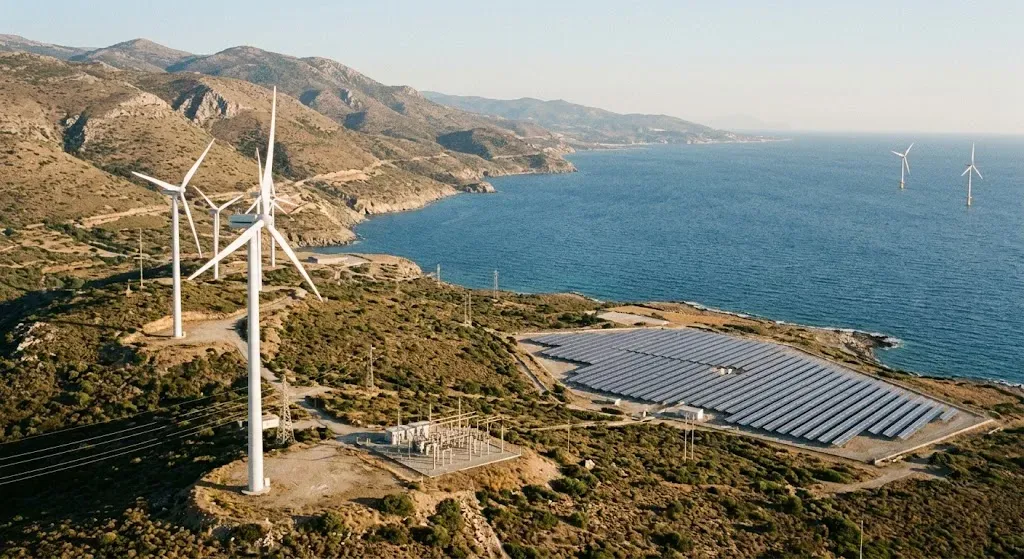
Egypt and Tunisia are among the countries already associated with projects under the broader initiative. In Egypt, a grid modernisation and expansion programme has an investment value of €1.6 billion, including substations and transmission lines intended to connect renewable generation from the Red Sea and Gulf of Suez regions. A green ammonia operation in Ain Sokhna represents a further €575 million investment, while a hybrid solar photovoltaic project is valued at approximately €430 million. The Niat and Rasgha wind projects are expected to add 500 MW of onshore wind capacity in the Gulf of Suez, supporting the development of renewable energy resources that could contribute to future hydrogen production.
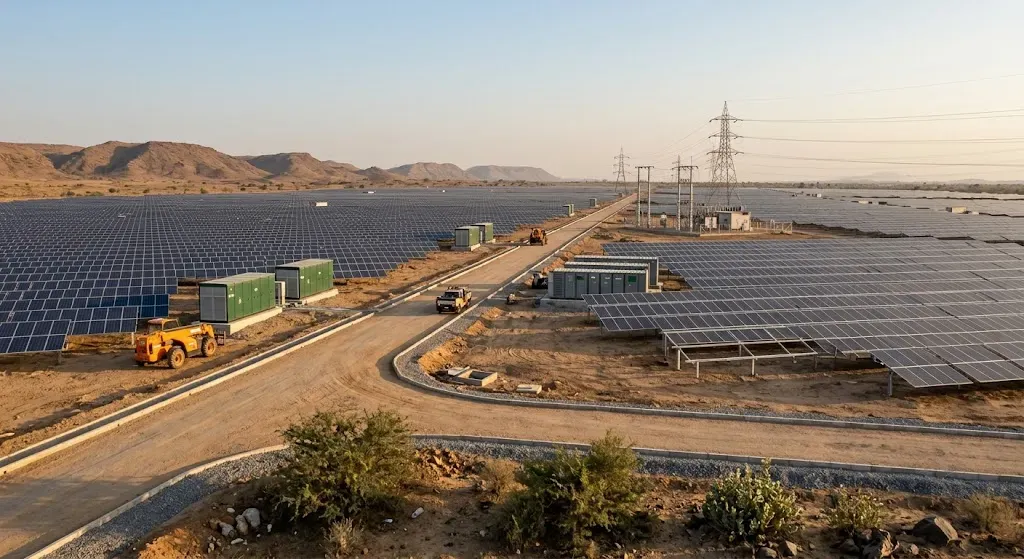
In Tunisia, the initiative supports two 100 MW solar photovoltaic plants and their associated transmission infrastructure. The announced EU support amounts to approximately €92 million and €80 million, respectively. These projects are intended to increase domestic renewable electricity supply, strengthen energy resilience and encourage private-sector participation in the power industry.
The European Commission is the European Union’s executive institution, responsible for proposing policies and implementing EU programmes. Through EFSD+, the EU uses guarantees and other financial instruments to help mobilise investment in partner countries. For energy companies, equipment manufacturers, infrastructure contractors and institutional investors, the T-MED platform could create opportunities across renewable generation, grid upgrades, storage systems and hydrogen supply chains. Its impact will depend on the conversion of identified opportunities into financed projects, as well as on regulatory progress, grid readiness and the availability of private capital. The platform also provides a framework for closer EU-Mediterranean energy cooperation and potential expansion of cross-border clean energy trade.