FRANCE; ITALY —Three major European naval shipbuilders have entered the next development stage of the European Patrol Corvette (EPC) programme, following the signing of an EPC2 consortium agreement. Fincantieri of Italy, Navantia of Spain and Naval Group of France will collaborate on the engineering activities required to advance the proposed vessel from preliminary development towards production readiness. The agreement was signed during Euronaval 2026 in the presence of representatives from OCCAR, the international organisation coordinating the programme.
The EPC2 phase will concentrate on completing the preliminary and detailed engineering design of the vessel and incorporating the technologies required for its future construction. This follows EPC1, which established the initial vessel concept, examined key technologies and developed common technical requirements, design principles and standards. The new phase therefore represents a transition from conceptual and preliminary design work towards industrialisation.
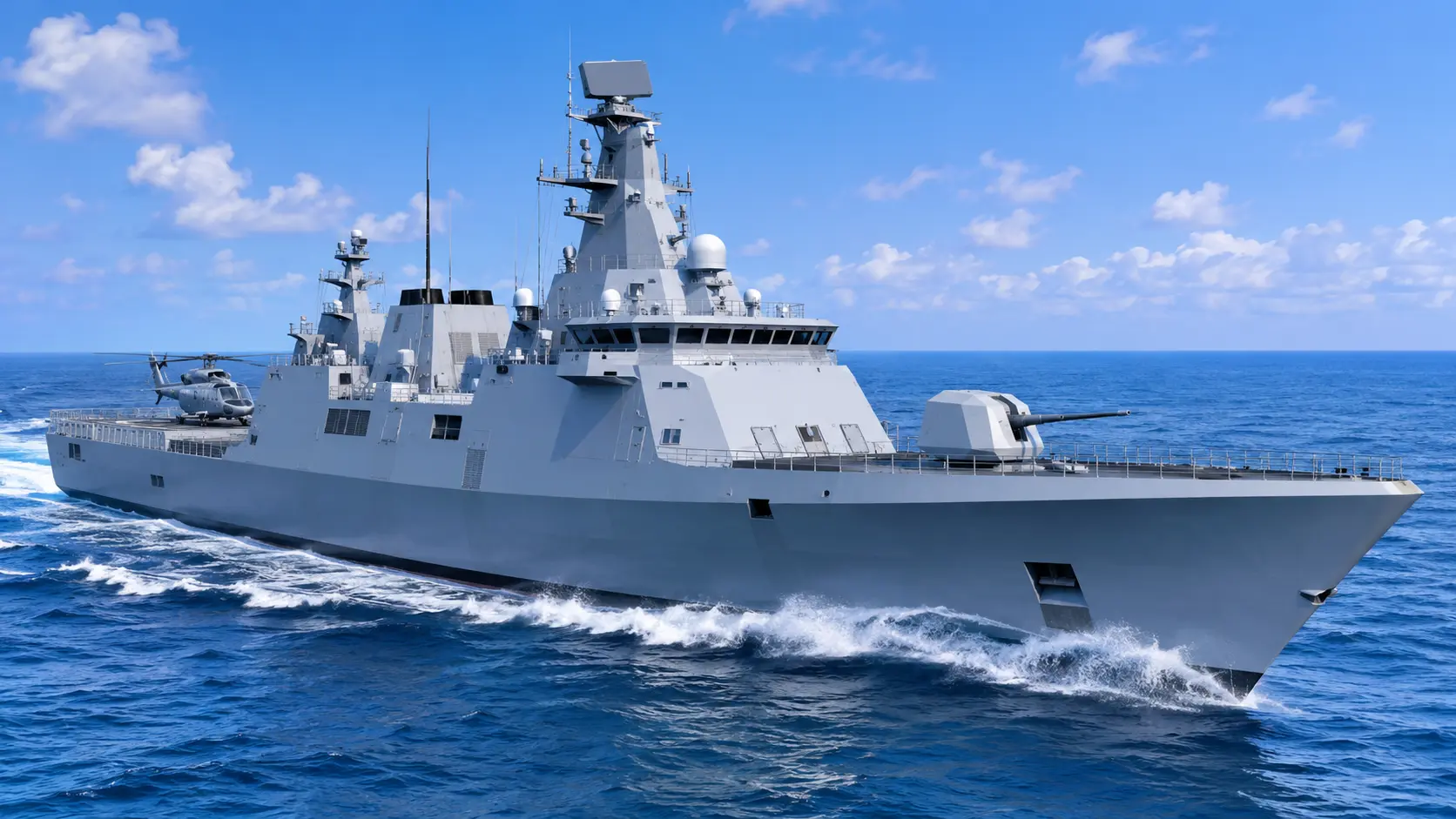
The programme centres on a common Full Combat Multipurpose platform with a modular architecture. Participating countries are expected to adapt individual vessels to their naval requirements while retaining common design elements and interoperability. The planned corvettes are intended to undertake maritime surveillance, offshore patrol, escort operations, maritime security and protection of important shipping routes.
European naval forces are seeking platforms that can address multiple maritime security requirements without relying on entirely separate vessel designs for each mission. A shared corvette architecture could help participating countries reduce design duplication, establish common technical standards and improve coordination between fleets. It could also create opportunities for greater standardisation across maintenance, training, equipment integration and long-term fleet support.
The initiative has wider implications for Europe's defence manufacturing industry. Cooperation between the three shipbuilders could support the development of a more integrated naval supply chain, involving propulsion systems, combat management technology, sensors, communications equipment and specialised shipbuilding components. Suppliers across participating countries may benefit as the programme progresses towards industrial execution, although future construction volumes and procurement schedules will depend on subsequent programme decisions.
Launched in 2019 under the European Union's Permanent Structured Cooperation framework, the EPC programme has been coordinated by OCCAR since 2022 and receives support from the European Defence Fund. Its development involves cooperation between participating European states and industrial partners, with the broader objective of strengthening regional defence capabilities and reducing fragmentation in naval procurement.
For Fincantieri, Navantia and Naval Group, EPC2 establishes a further framework for sharing engineering responsibilities and developing a common naval product. The programme could strengthen their positions in the European military shipbuilding market while creating opportunities for participating suppliers. However, the current agreement concerns the engineering and design phase rather than a confirmed contract for serial vessel construction or fleet delivery.
Fincantieri is an Italian shipbuilding group active in commercial and naval vessel construction. Navantia is a Spanish state-owned shipbuilder specialising in naval platforms and defence systems. Naval Group is a French defence company focused on the design, construction and support of naval vessels and associated technologies.