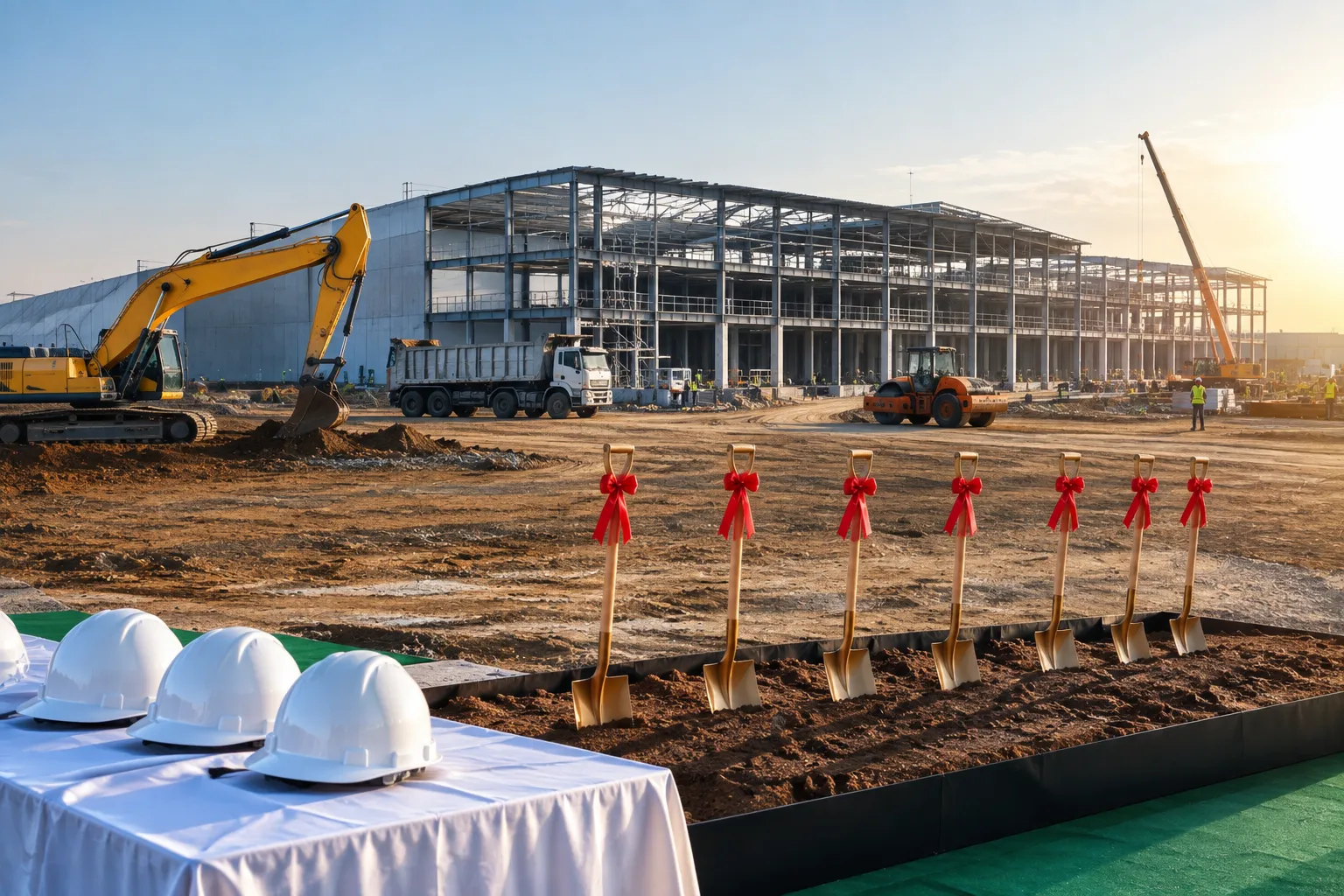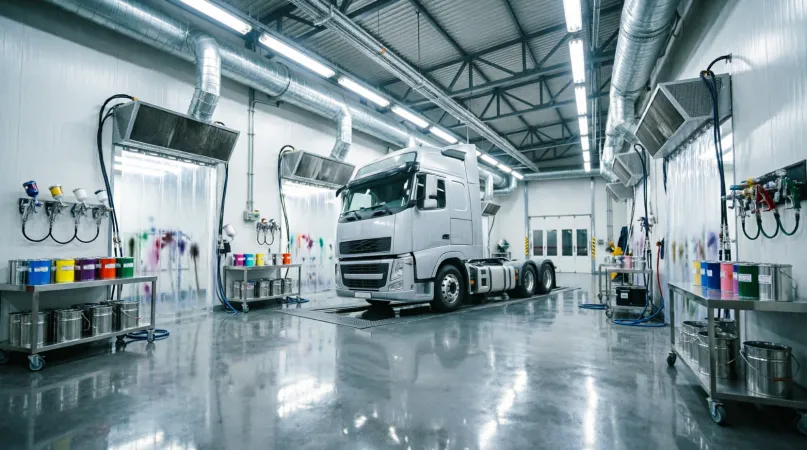
UNITED STATES OF AMERICA —Ford Motor Company plans to construct a $1 billion automated paint shop at its Louisville manufacturing facility in Kentucky. Groundbreaking for the modern installation is scheduled for late 2026, replacing the current painting setup to optimize processing efficiency, environmental performance, and overall vehicle finish quality across its high-margin truck and heavy SUV production lines.
Ford Motor Company is a global automotive manufacturer headquartered in Dearborn, Michigan, specializing in the design, assembly, and distribution of commercial trucks, passenger vehicles, and electric mobility solutions. The enterprise operates extensive industrial complexes across North America, with its Kentucky operations representing one of its largest operational and revenue-generating footprints.
The capital expenditure reflects a strategic decision to maintain long-term competitiveness in heavy-vehicle manufacturing while mitigating operational supply chain risks. By upgrading its highest-volume assembly plant, the company secures its core revenue drivers, including heavy-duty pickups and large sport utility vehicles. This move complements parallel capital allocations in the region, including a $2 billion facility retooling for next-generation electric vehicle architecture and a $2 billion conversion of a battery production complex into an energy storage system manufacturing hub.
The industrial investment delivers substantial economic stabilization to the regional supply chain ecosystem, impacting local automotive parts suppliers, specialized equipment vendors, and logistics service providers. Upgrading core assembly infrastructure ensures long-term operational continuity for a facility that directly generates thousands of industrial jobs and supports broader economic activity across connected commercial sectors.
For institutional investors and automotive market analysts, the deployment of capital into core domestic assembly facilities highlights a balanced allocation strategy. The enterprise continues to finance high-margin traditional vehicle assembly platforms to supply the capital required for long-term investments in electric mobility platforms and large-scale battery energy storage systems.