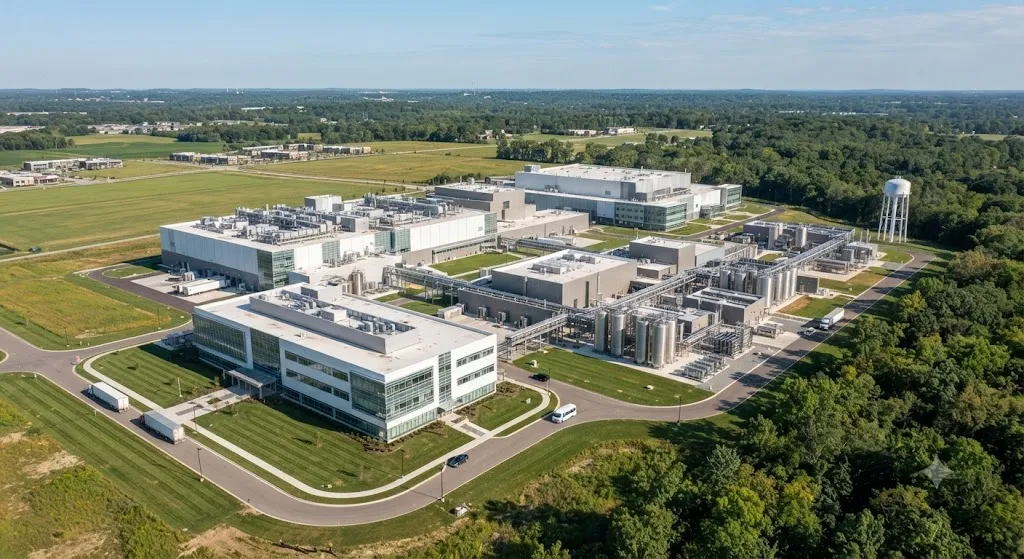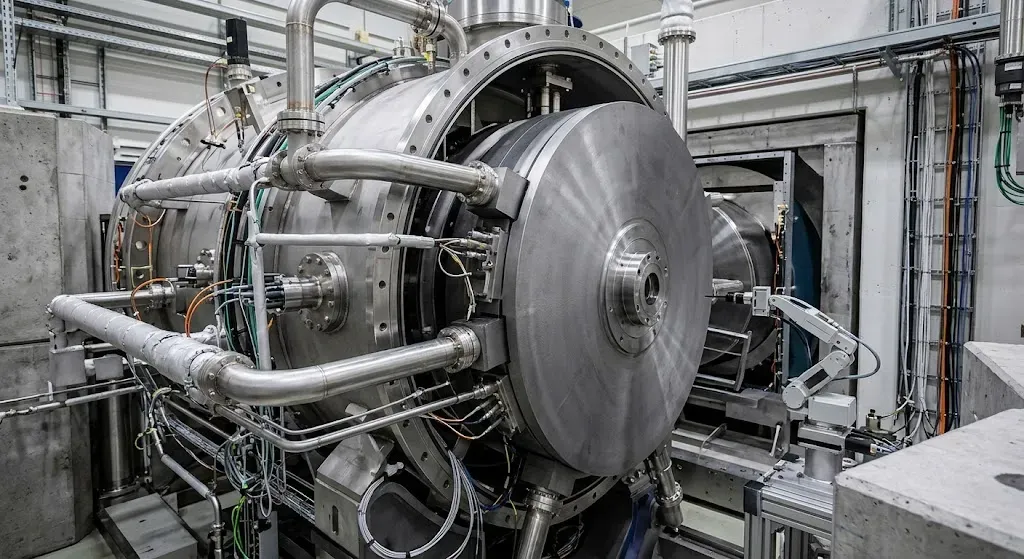
SWEDEN —Freemelt Holding AB has landed a SEK 28 million contract to manufacture and supply 7,000 specialized tungsten-based components for the European Spallation Source (ESS) facility. The agreement entails phased deliveries spanning 14 months, with the primary volume scheduled for fulfillment throughout 2027. The contracted parts are designated for integration into the research facility's primary target wheel architecture, where high-energy proton beams strike the material to generate neutrons utilized in atomic-level scientific research. Because these components endure intense thermal, mechanical, and radiation stresses during operation, tungsten is selected for its high melting point and durability. The recurring need to replace worn target components establishes potential long-term operational demand for specialized manufacturing services. Freemelt Holding AB operates as an industrial platform provider specializing in advanced metal components and electron beam powder bed fusion technology for sectors such as medical technology, defense, and research infrastructure.
This procurement decision underscores a broader shift among major scientific installations toward localized, resilient supply chains and qualified regional manufacturing partners. High-performance research infrastructures require strict material specifications and rigorous quality standards, validating the operational capability of advanced additive manufacturing providers. Fulfilling orders for demanding applications highlights the viability of specialized fusion and electron beam technologies in producing mission-critical parts for heavy scientific environments.
The contract significantly impacts the advanced manufacturing, materials science, and big-science infrastructure sectors across Europe. Stakeholders including industrial component suppliers, raw material providers, and large research organizations are affected by the tightening demand for high-grade tungsten processing capabilities. Regional economies stand to gain as high-technology manufacturing contracts drive localized supply chain integration and long-term industrial capability building.
For corporate decision-makers and industrial investors, this deal illustrates the commercial viability of scaling advanced metal fabrication for specialized institutional markets. Businesses operating in high-tolerance manufacturing can view this transaction as a benchmark for securing institutional orders through technological differentiation and rigorous process qualification. Furthermore, the recurring replacement cycle inherent to particle accelerator target components points to predictable, long-term revenue streams for suppliers embedded in major scientific supply chains.