GERMANY; NIGERIA —Agribusiness operators in south-western Nigeria face mounting margin pressures from volatile animal feed costs, imported fertilizer expenses, and persistent power deficits. Addressing these structural bottlenecks, a bilateral initiative between the German government and Green Growth Africa has been formalized to establish an integrated Circular Agriculture Project (CAP) in Lagbeja-Akingbile, Ibadan, Oyo State. The agreement was executed during an official delegation visit led by German Consul General Daniel Krull and Green Growth Africa Executive Director Dr. Adedoyin Adeleke.
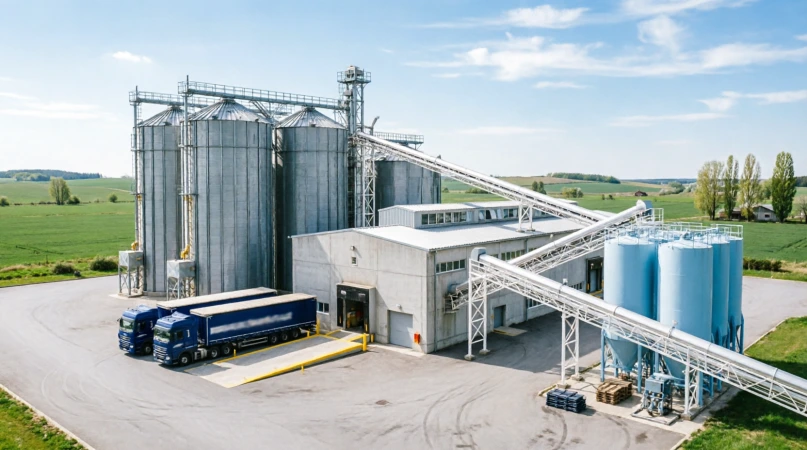
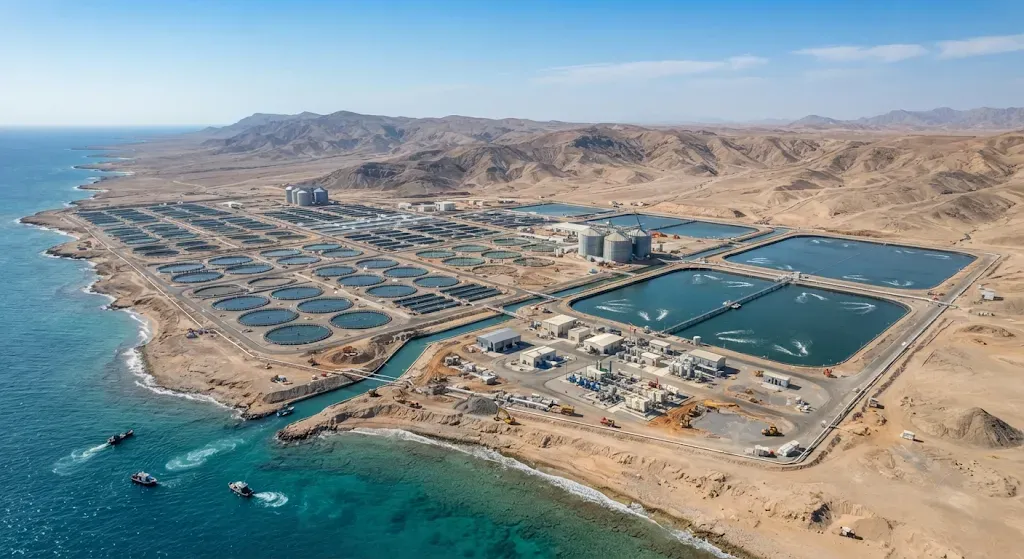
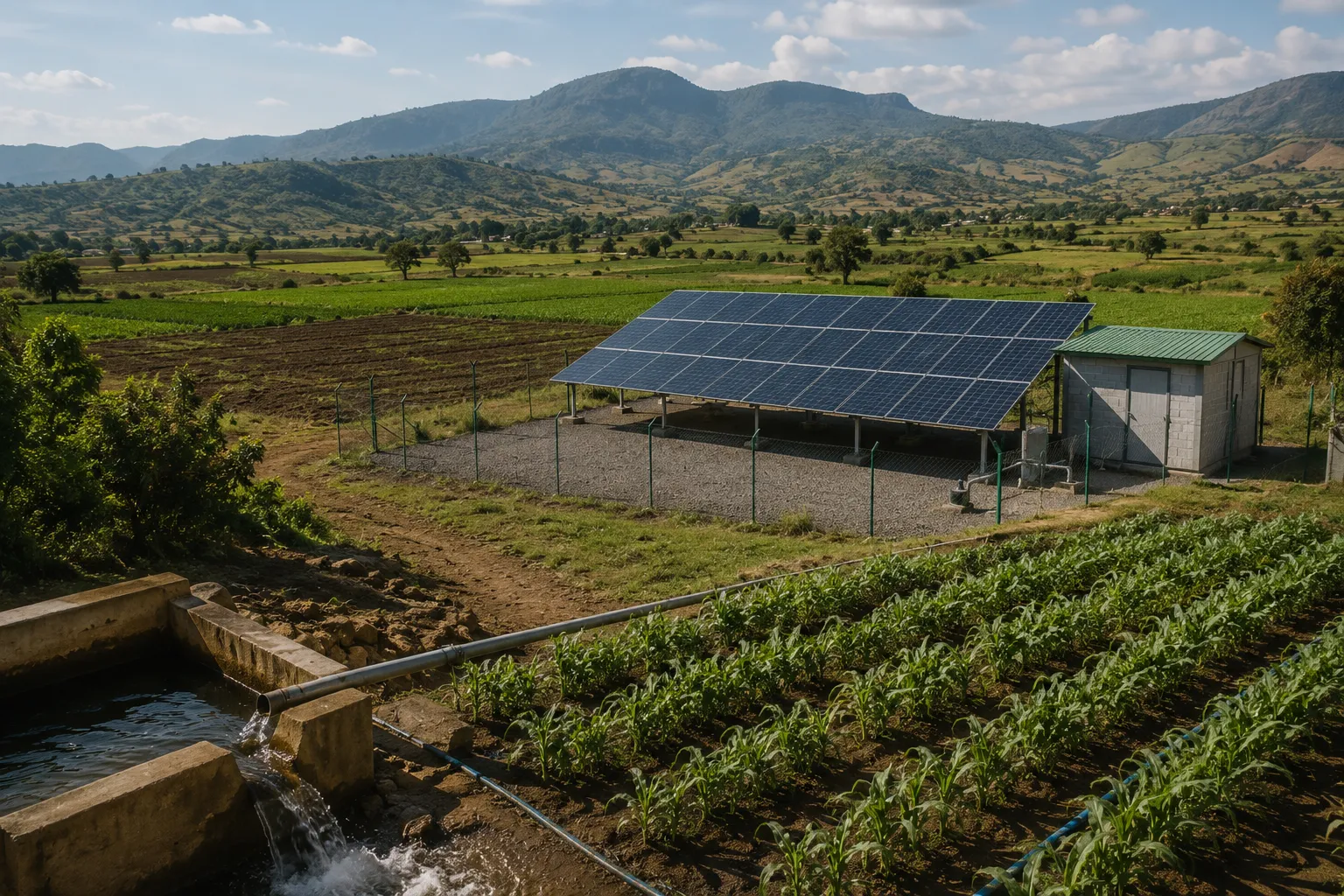
The initiative introduces a five-component, closed-loop production architecture engineered to eliminate external input dependencies. Within this operational model, poultry waste is processed by Black Soldier Fly (BSF) units to generate high-protein larvae for livestock feed alongside organic frass for soil fertilization. Concurrently, nutrient-dense effluent from aquaculture ponds irrigates vegetable plots, while duckweed cultivated on pond surfaces recycles nutrients back into poultry rations, and crop residues re-enter the avian feed cycle. By operating entirely on off-grid solar photovoltaic infrastructure, the facility insulates daily operations from national grid instability and costly diesel-powered backup generation.
Green Growth Africa operates as a United Nations Environment Programme-accredited non-governmental organization focused on sector decarbonization, nature-based interventions, and sustainable economic development, maintaining an operational footprint across 22 African nations. Its Ibadan headquarters showcases resource-recovery engineering, featuring a commercial structure built from 27,333 upcycled plastic bottle-bricks, automated borehole water systems, and standalone solar arrays.
For regional agricultural policy and supply chains, the development signals an operational shift toward decentralized, low-emission food production. Positioned adjacent to the University of Ibadan and the International Institute of Tropical Agriculture (IITA), the hub is structured to function as both an applied research center and a commercial demonstration site. Beyond direct value-chain employment, the facility will train smallholder farmers and agricultural researchers in scalable resource-recovery techniques, supporting broader national objectives around agricultural self-sufficiency and waste valorization.
From an investment and market standpoint, the commercial viability of closed-loop agritech models carries significant implications for institutional capital and agribusiness developers in West Africa. Proving unit-level profitability through integrated waste-to-value streams—particularly insect-based alternative proteins and off-grid solar agro-processing—could de-risk private sector financing in climate-resilient agriculture. Agribusinesses, renewable energy providers, and waste-management enterprises stand to capture emerging demand as smallholder cooperatives and commercial farms seek replicable blueprints to hedge against input inflation and energy supply disruptions.