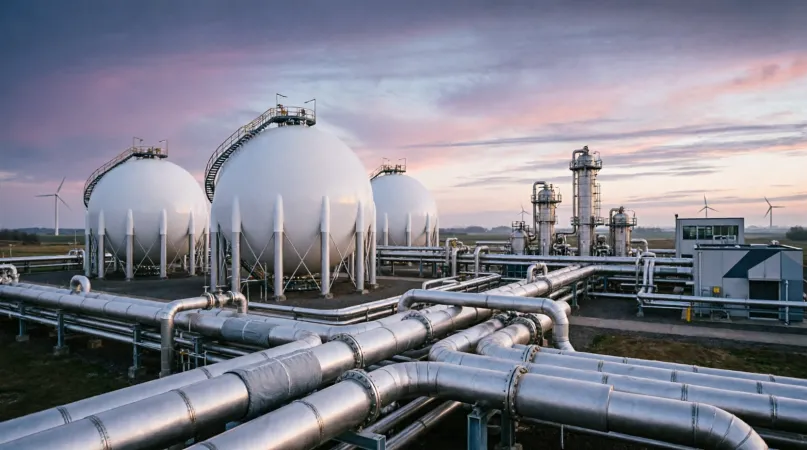
GERMANY; NORWAY —German utility Uniper and Norwegian energy producer Equinor have finalized a major 15-year natural gas supply deal aimed at bolstering energy availability across Central Europe. Under the terms of the agreement, Equinor will deliver over 30 TWh equivalent to approximately 2.8 billion cubic metres of natural gas per year to Uniper. Deliveries are scheduled to run from January 1, 2027, through December 31, 2041, with delivery designated at Germany’s primary trading hub, Trading Hub Europe. Pricing for the contractual volumes will reflect prevailing market rates, while additional commercial terms remain confidential.
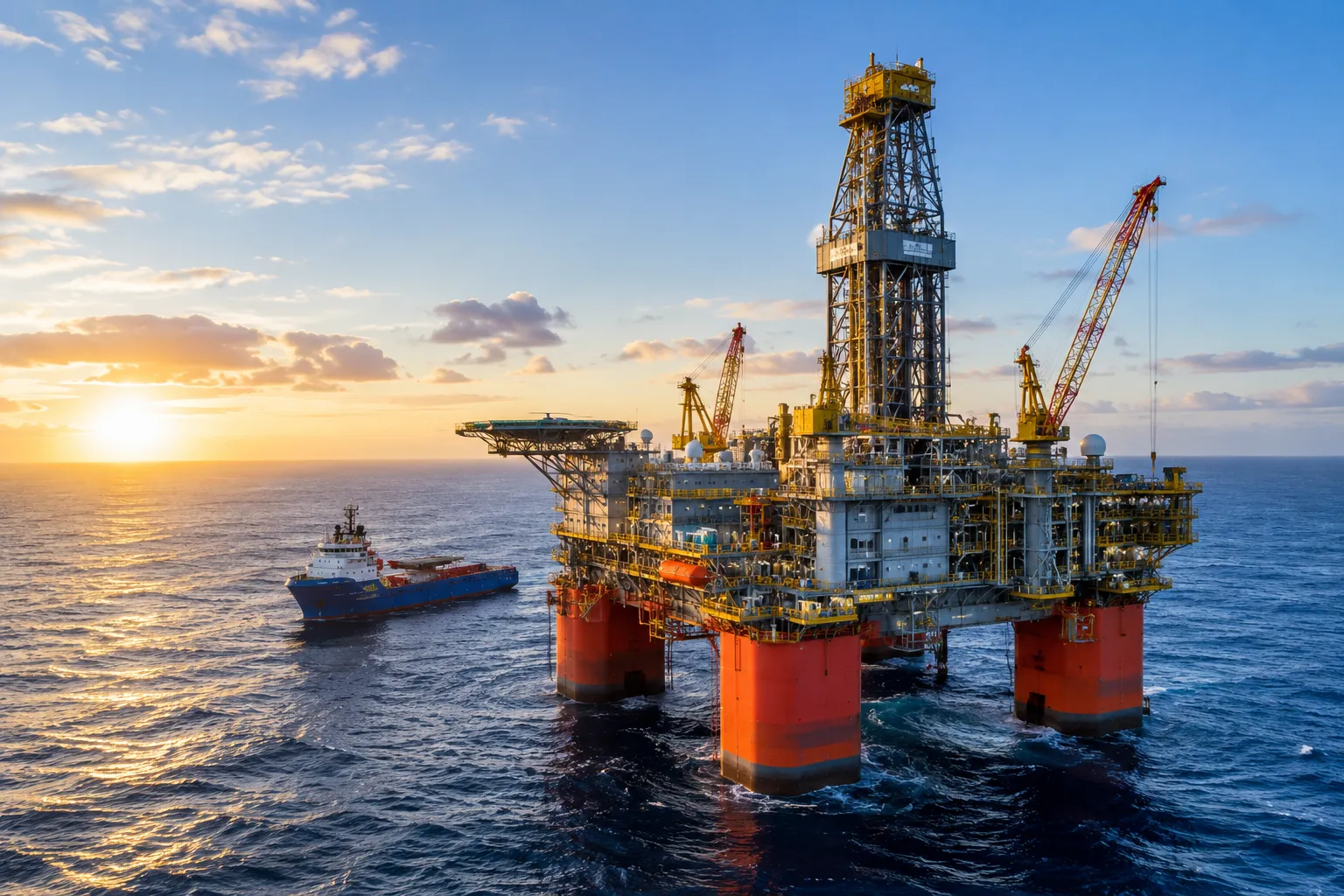
Equinor is a state-controlled Norwegian multinational energy enterprise and one of Europe's top suppliers of pipeline natural gas operating across the Norwegian continental shelf. Düsseldorf-headquartered Uniper operates 18.5 gigawatts of generation capacity and functions as a major European energy trader, supplying around 1,000 municipal and industrial customers while managing extensive gas storage infrastructure across Germany, the UK, Sweden, and the Netherlands.
The decade-and-a-half commitment underscores the persistent need for dependable gas off-take agreements to safeguard industrial baseline capacity and residential heating demand across Northwestern Europe. By locking in pipeline deliveries from Norway, Germany mitigates exposure to volatile international liquefied natural gas spot markets. Additionally, the transaction includes a non-binding letter of intent allowing Uniper to purchase third-party verified emissions and sustainability attributes connected to Equinor’s upstream production, addressing tightening environmental disclosure mandates.
For energy sector investors and industrial power consumers, the deal highlights the vital role natural gas plays as a transition fuel while low-carbon hydrogen networks and renewable capacity scale up. Securing multi-decade bilateral agreements provides volume certainty for energy-intensive manufacturing across Central Europe, reinforcing structural market stability through the late 2030s.