
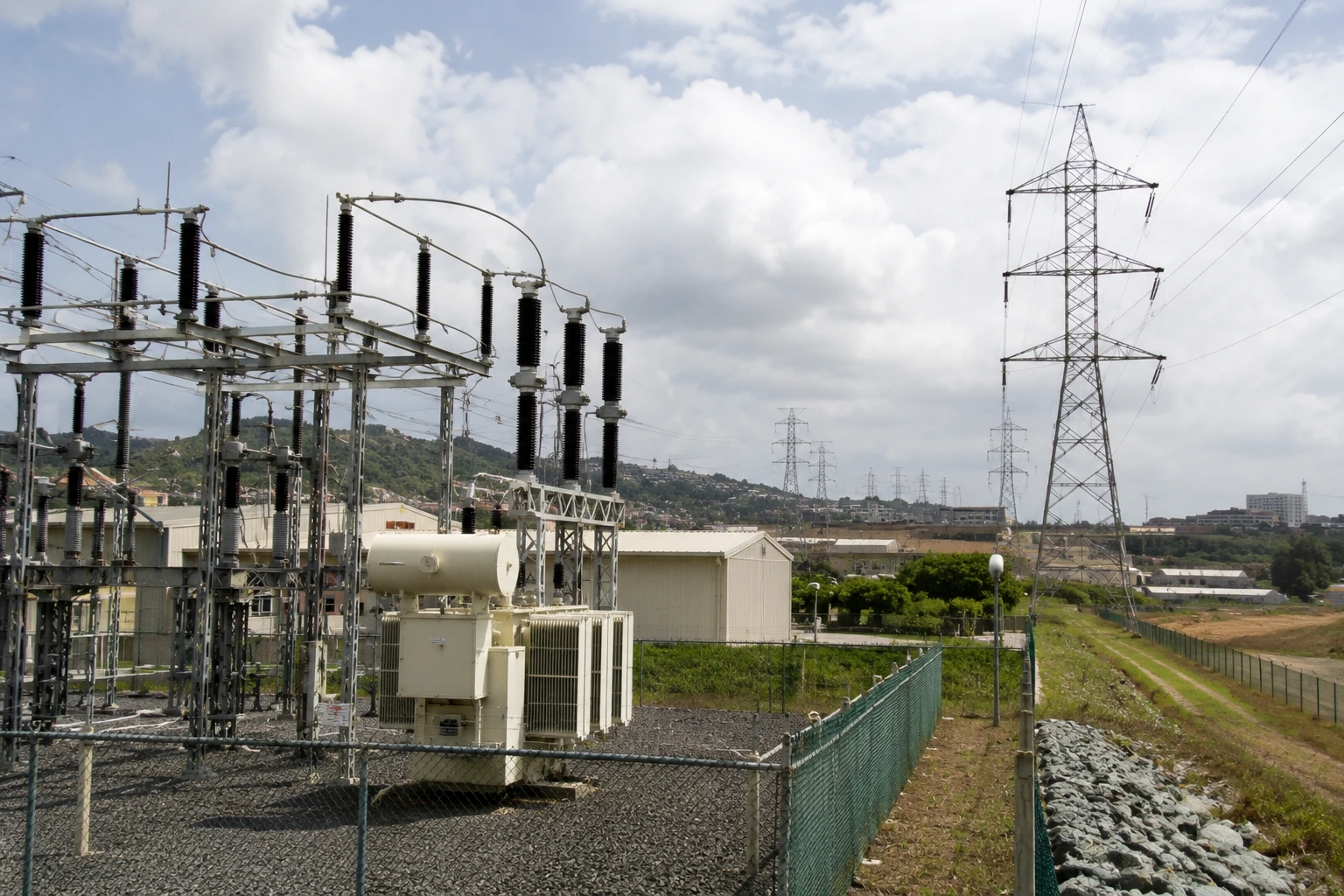
Ghana is advancing crucial regulatory and structural reforms under its National Energy Compact, unlocking a US$4.4 billion investment pipeline. Supported by the African Development Bank and World Bank, the initiative seeks to expand national power access to 99% by 2030.
Ghana is accelerating structural and regulatory overhauls across its power sector to unlock a US$4.4 billion infrastructure investment pipeline, targeting a national electrification rate of 99% by the end of the decade. As part of its National Energy Compact under the broader Mission 300 framework, the West African nation has completed over half of its planned reform measures, including eight mini-grid installations and cross-border power transmission projects. While administrative hurdles and parliamentary approval delays remain, government officials have committed to streamlining procurement and budgetary processes to maintain project momentum.
The reform agenda serves as a cornerstone for Mission 300, a joint initiative spearheaded by the African Development Bank and the World Bank Group. The program seeks to connect 300 million people across Africa to reliable electricity by 2030 by combining multilateral development finance with private sector capital. The African Development Bank is a regional multilateral development finance institution focused on promoting sustainable economic development and social progress across its African member countries.
This development represents a critical step in addressing West Africa's persistent energy deficits and strengthening regional market integration. Out of the capital requirements identified, US$2.6 billion is slated to originate from private investors across utility-scale solar projects, last-mile rural electrification, clean cooking, and distributed renewable energy solutions. Furthermore, planned cross-border grid interconnections with Côte d'Ivoire, Mali, and Burkina Faso are expected to enhance regional power trading through the West African Power Pool, improving grid stability and energy security across the sub-region.
For independent power producers, engineering contractors, and institutional investors, Ghana's structured reform roadmap offers enhanced regulatory clarity and reduced off-taker risks. Transitioning toward public-private partnership funding structures for energy infrastructure creates direct commercial opportunities in renewable energy generation, energy storage, and equipment supply. Over the long term, expanding energy access from the current 89.1% to near-universal coverage will bolster industrial capacity, lower operational costs for local enterprises, and drive broader macroeconomic growth across the country.
About GlobeNewsInfo
GlobeNewsInfo.com is a business news platform providing latest updates on global business developments, projects, and contract opportunities across diverse sectors and regions. The platform is designed to serve as a trusted source of information for companies, investors, and professionals worldwide.