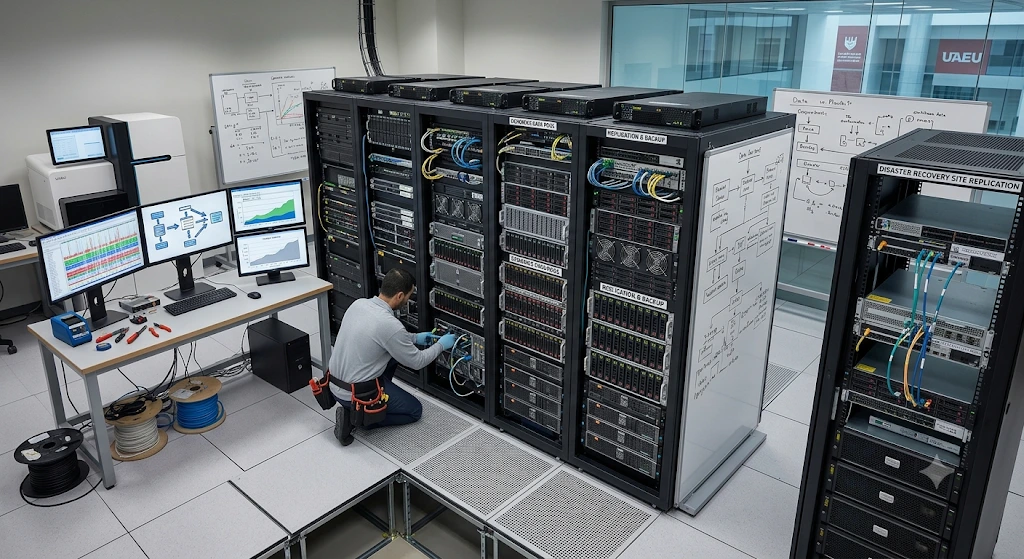
MALAYSIA —Google has announced plans to invest USD 15 billion in Malaysia between 2027 and 2028, expanding its data centre footprint and supporting the country's growing demand for artificial intelligence and cloud computing services. The investment includes operational and planned data centre campuses in Selangor and Negeri Sembilan, with the Elmina Business Park facility in Selangor already operational. Computing capacity in Selangor will also support Google's planned Malaysia Cloud region, serving enterprise customers and organisations across multiple industries.
The infrastructure programme is expected to generate significant economic activity during construction. Google estimates that campus development will contribute an average of USD 1.1 billion annually to Malaysia's GDP and support more than 37,000 jobs each year during the 2027-2028 construction period. Approximately 6,000 positions are expected to be directly associated with construction. Once operational, the facilities are projected to sustain more than 9,000 jobs annually, including technical, engineering, logistics and facilities management roles.
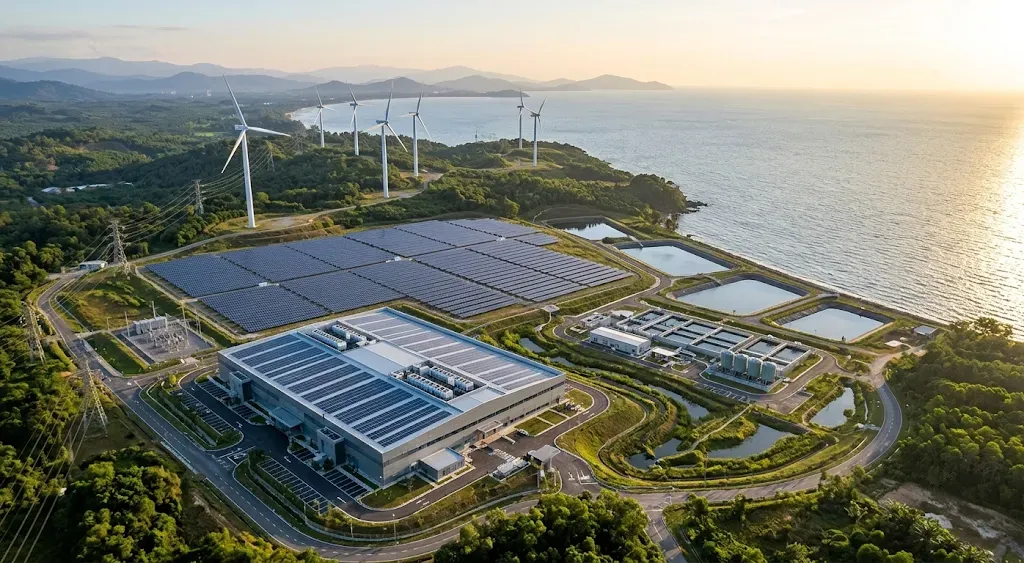
The investment extends beyond computing infrastructure into electricity supply and environmental resource management. Google intends to facilitate the addition of more than 1 GW of clean energy generation capacity to Malaysia's National Grid through collaboration with Tenaga Nasional Berhad under the Corporate Renewable Energy Supply Scheme. The company will also cover the full electricity consumption of its data centre campuses and the direct infrastructure expenses required to connect them to the grid. Discussions will include round-the-clock clean energy solutions to address the intermittent nature of renewable generation.
Water management forms another component of the development strategy. Google is working with the Global Environment Centre and other local organisations on watershed restoration, river monitoring, wetland development and rainwater harvesting initiatives. Planned projects include interventions in the Sungai Buloh and Sungai Selangor river basins, alongside water resilience installations at four schools in Selangor. These measures are intended to support local water availability as industrial and digital infrastructure demand increases.
Workforce development is also incorporated into the investment programme, with Google targeting approximately 800,000 Malaysians for training between 2027 and 2031. Initiatives will cover AI literacy for educators and students, digital capabilities for microenterprises, technology training for public-sector personnel and vocational preparation for data centre operations. The company also plans to establish Data Center Institutes at selected polytechnics in Selangor and Negeri Sembilan to prepare technical jobseekers for specialist infrastructure roles.
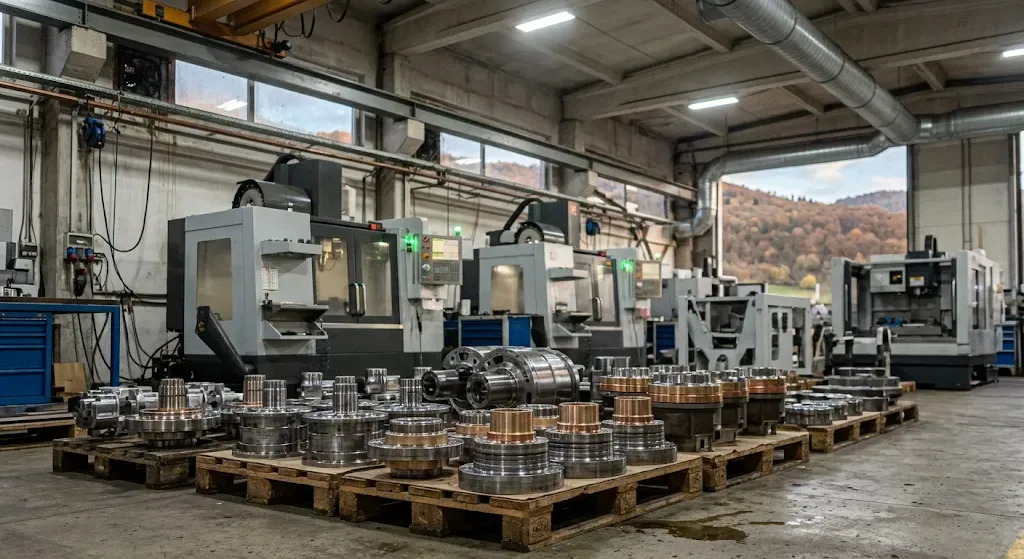
The development has implications for Malaysia's construction, engineering, telecommunications, power generation, renewable energy and technology supply chains. Google is already working with more than 80 Malaysian suppliers across construction, civil engineering, network infrastructure, power systems, cooling equipment and operational services. Continued procurement and long-term facility operations could create opportunities for domestic contractors and equipment providers while increasing demand for skilled technical personnel.
Google, a subsidiary of Alphabet, operates global digital platforms and provides cloud computing, AI and internet services. Its expanded Malaysian infrastructure is intended to serve domestic demand as well as users and enterprises across the wider Asia-Pacific region. The investment also reinforces Malaysia's position as a regional destination for hyperscale data centre development, while increasing the importance of electricity grid capacity, clean energy procurement and water resource planning in future infrastructure decisions.