UNITED STATES OF AMERICA —Consumer imaging brand GoPro, Inc. has reached a definitive agreement to combine with privately held photonics manufacturer Starman Optical, Inc., signaling a major strategic pivot from consumer hardware toward enterprise optical infrastructure. Under the terms of the transaction, GoPro equity holders will receive a cash distribution of $285 million, equivalent to $1.14 per share, alongside a retained 10% equity stake in the restructured business. The deal also provides $92 million to fully pay off GoPro's existing debt obligations, resulting in a deleveraged entity that will retain its public listing on the Nasdaq platform.
GoPro, Inc. is an American technology firm long recognized for developing action cameras, digital imaging accessories, and subscription-based cloud services, supported by a patent portfolio spanning over 2,500 U.S. patents. Starman Optical, Inc. operates as a domestic developer and onshore manufacturer of optical transceivers and advanced photonics components under the Starman Holding enterprise.
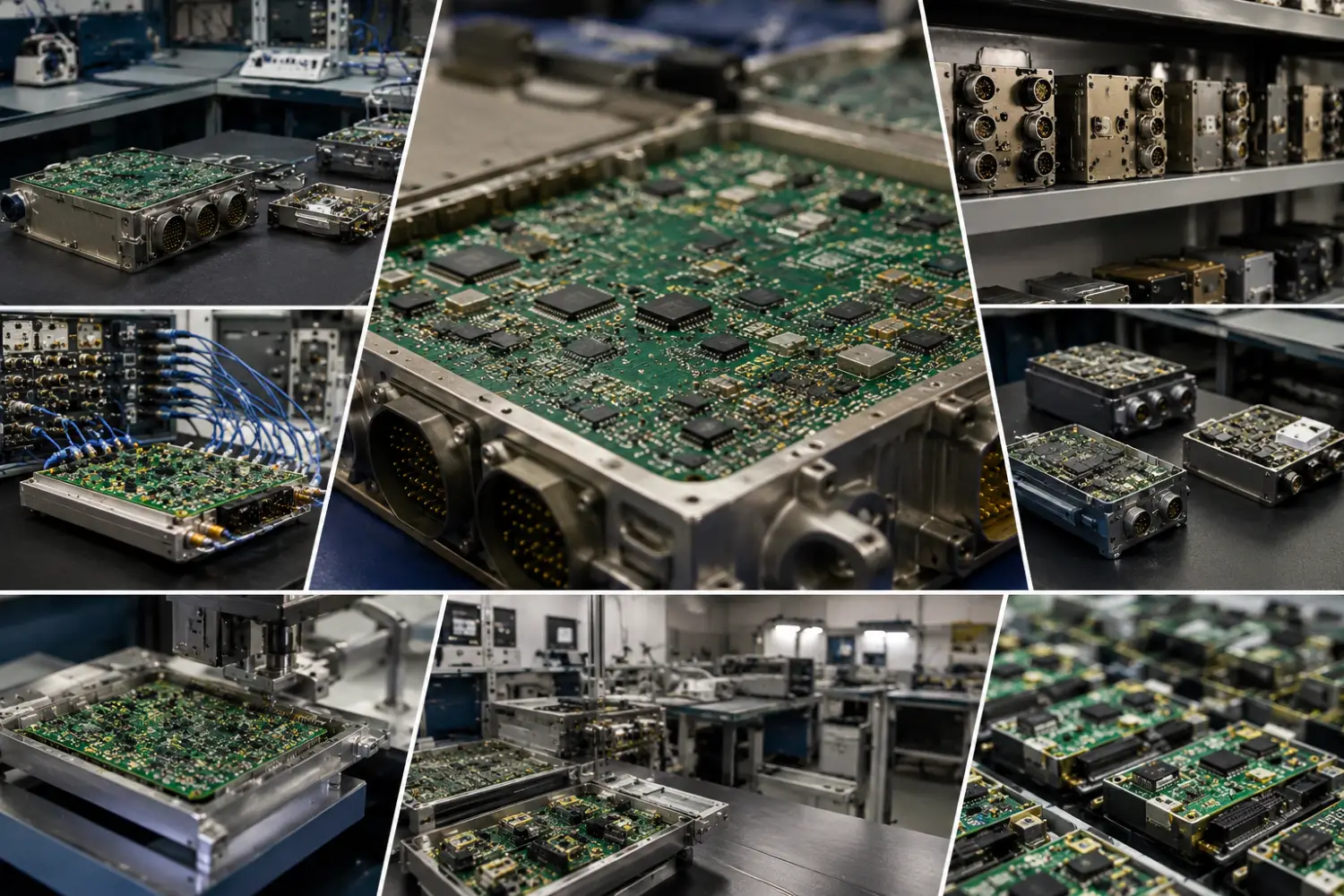
The integration restructures GoPro's legacy operations while introducing domestic photonics manufacturing capacity. While the company intends to maintain its existing consumer camera line and digital cloud platforms, capital allocation will pivot toward supplying U.S.-manufactured optical transceivers required for high-density artificial intelligence computing architecture, aerospace systems, and government defense applications.
This transaction highlights an emerging corporate trend of legacy hardware firms repurposing intellectual property and public market listings to capture market share within the rapidly expanding AI supply chain. The domestic focus of the combined entity's optical production aligns with broader federal initiatives to onshore critical tech manufacturing and secure sensitive communication hardware against supply chain vulnerabilities.
For institutional investors and commercial technology stakeholders, the deal provides a blueprint for recapitalizing distressed consumer hardware platforms through strategic positioning in high-margin enterprise infrastructure. The transaction, approved by the boards of both companies, remains subject to customary shareholder and regulatory approvals prior to target completion.