KOREA (SOUTH); NAMIBIA —The Green Climate Fund (GCF) has cleared a USD 140 million financing package dedicated to industrial decarbonisation initiatives within Southern Africa. Operating through Climate Investor Three, a global blended finance platform, the injection aims to address high-risk capital gaps inherent in early-stage renewable energy and green hydrogen ventures across the region. This financial commitment was ratified during the board proceedings in South Korea.
Under the operational layout, the capital allocation is split into designated regional vehicles. The SA-H2 Fund in South Africa is slated to receive USD 84 million directed toward construction equity tranches. Meanwhile, the SDG Namibia One Fund secures USD 56 million, divided into development financing and construction equity. The overall framework operates via the Southern African Industrial Decarbonisation Facility, designating the Development Bank of Southern Africa (DBSA) as the accredited oversight entity responsible for program reporting and compliance.
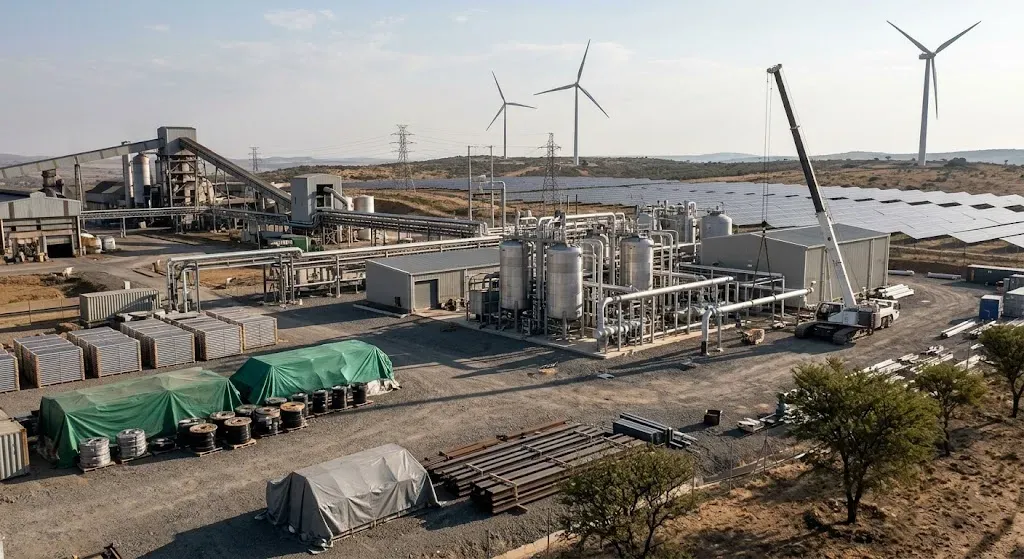
The intervention addresses structural financing constraints that typically impede capital-intensive heavy industries from transitioning toward low-carbon operations. By deploying catalytic risk-mitigation instruments, the facility seeks to lower perceived financial barriers for institutional lenders and private enterprises. This blended approach intends to catalyze a larger USD 1.2 billion fundraising objective, targeting multiple projects designed to build integrated green hydrogen value chains, renewable power generation capacity, and localized decarbonisation infrastructure.
Energy-intensive sectors, regional industrial ecosystems, and private financial institutions stand as primary stakeholders impacted by the initiative. South Africa and Namibia serve as the core geographic focal points, where green ammonia, green methanol, and hard-to-abate industrial processes form the backbone of national energy transition strategies. The framework offers a scalable model for developing economies attempting to balance long-term carbon reduction targets with industrial employment and economic growth.
Market participants and institutional investors gain structured pathways to deploy capital into emerging green markets without absorbing prohibitive initial development risks. The strategy aligns public concessional funding with commercial equity to foster predictable pipelines for clean infrastructure assets. Consequently, regional industrial bases can secure predictable supplies of alternative fuels and low-emission power inputs, enhancing long-term operational resilience against tightening global carbon compliance standards.