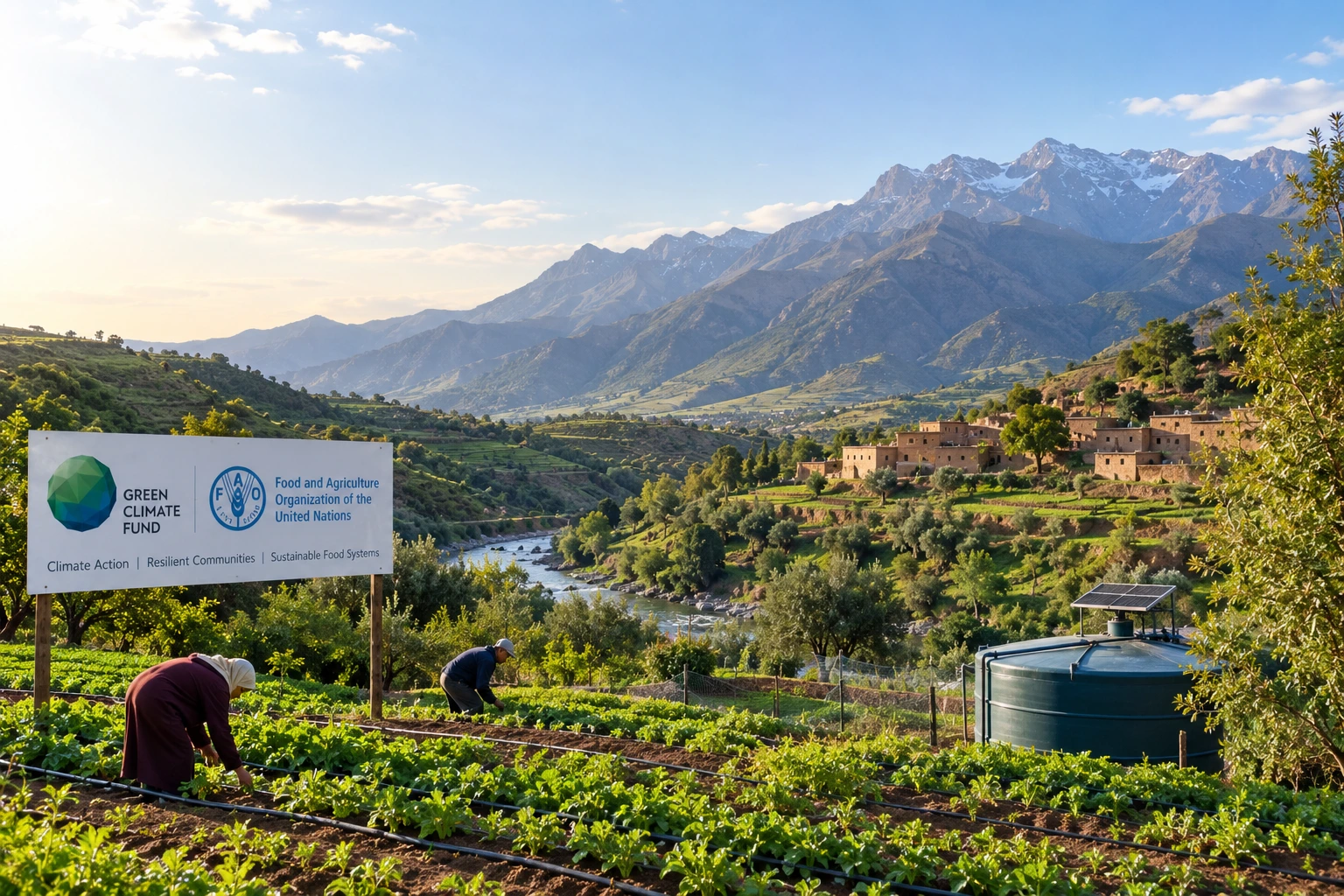
ALGERIA; KOREA (SOUTH) —A multi-million-dollar international funding package has been allocated to accelerate sustainable agricultural practices and land restoration across North Africa and Latin America. During its recent board assembly in South Korea, the Green Climate Fund approved two separate climate finance ventures worth $184.8 million aimed at restoring degraded landscapes, curbing greenhouse gas emissions, and expanding resilient agrifood systems across Algeria and Mexico.
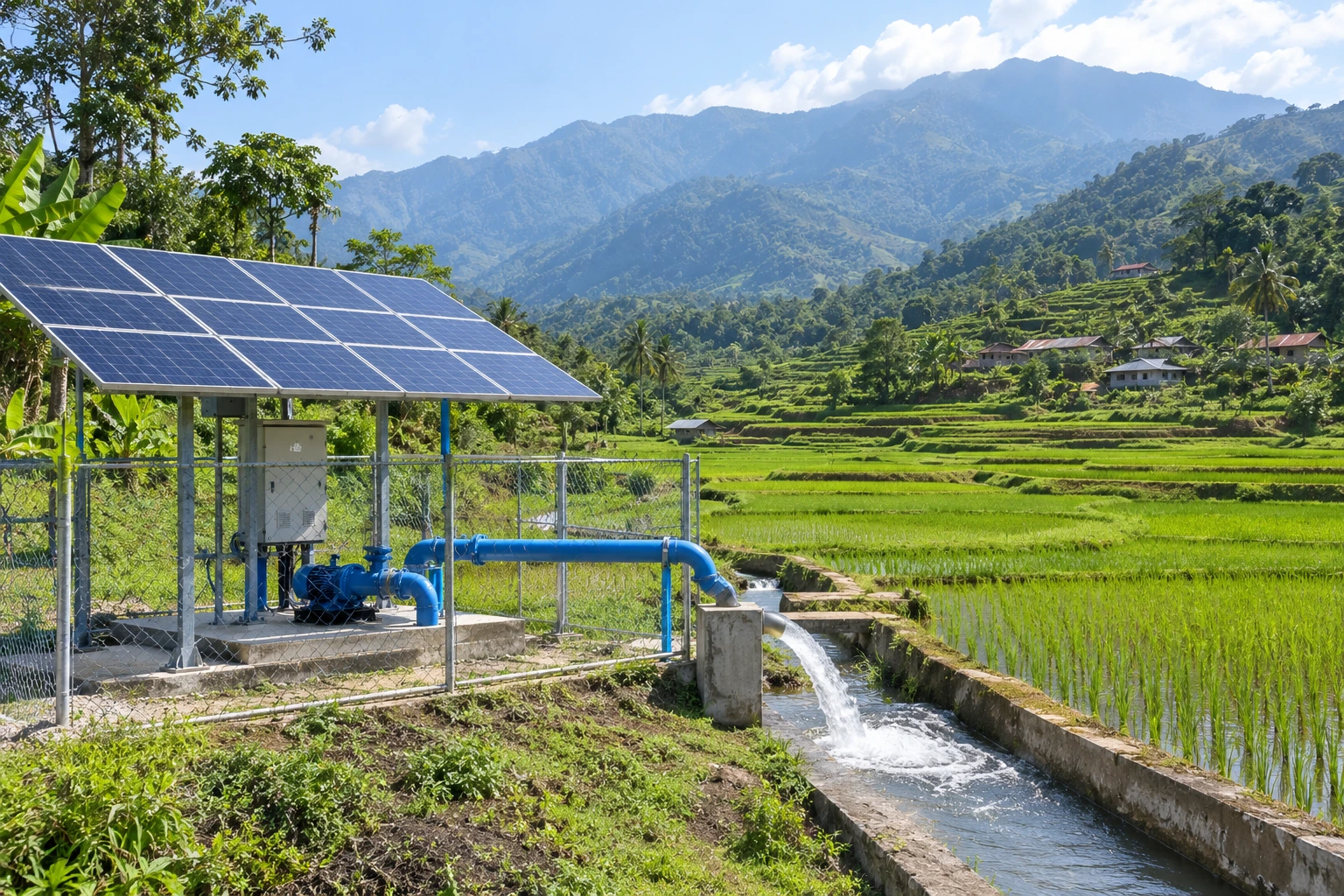
Algeria receives approval for its maiden project under the fund, featuring a $43 million grant backed by $56.5 million in domestic public co-financing. The seven-year program targets over 454,000 hectares across six provinces to revitalize the country's historic Green Dam desertification barrier. Key interventions include deploying solar energy kits, installing hydroponic livestock forage infrastructure, and opening micro-financing pathways for rural enterprises. Meanwhile, Mexico secures an $85.3 million results-based payout celebrating nearly 13 million tonnes of verified carbon emission reductions achieved through historical forestry protection policies. The funding will support sustainable livestock operations, farmer field training, and ecosystem conservation over six years.
The Green Climate Fund is an international finance facility operating under the United Nations Framework Convention on Climate Change to help developing nations fulfill emission reduction and climate adaptation commitments. The Food and Agriculture Organization is a specialized agency of the United Nations leading international efforts to defeat hunger and modernize agricultural livelihoods.
This initiative addresses rising ecological pressure on rural economies, where land degradation and deforestation directly imperil food security and livestock productivity. By scaling silvopastoral methods and desertification barriers, both nations aim to substitute carbon-intensive land use with ecologically viable models, shielding vulnerable agricultural communities from extreme climate events.
For agricultural operators and agribusiness investors, the capital deployment reinforces market transition toward climate-resilient practices. The financial backing lowers risk profiles for rural micro-enterprises, expands local value chains in resilient crops, and establishes scalable operational models for carbon results-based rewards in emerging economies.