KOREA (SOUTH); UNITED STATES OF AMERICA —Gyeonggi Green Energy has finalized a $49 million financing package backed by the Export-Import Bank of the United States to acquire advanced fuel cell systems. This transaction highlights the growing cross-border investment in utility-scale clean energy infrastructure and reinforces the strategic export capabilities of American clean technology manufacturers.
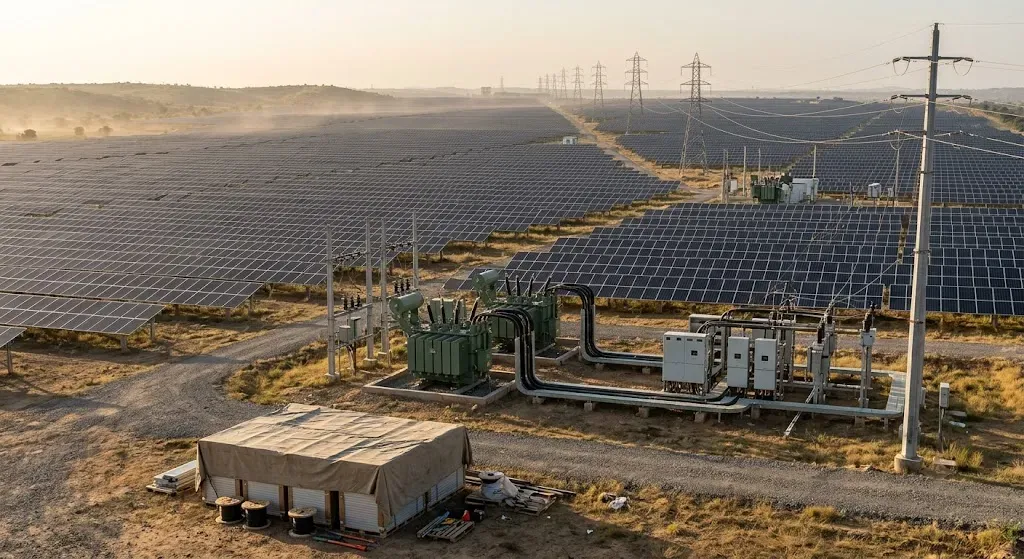
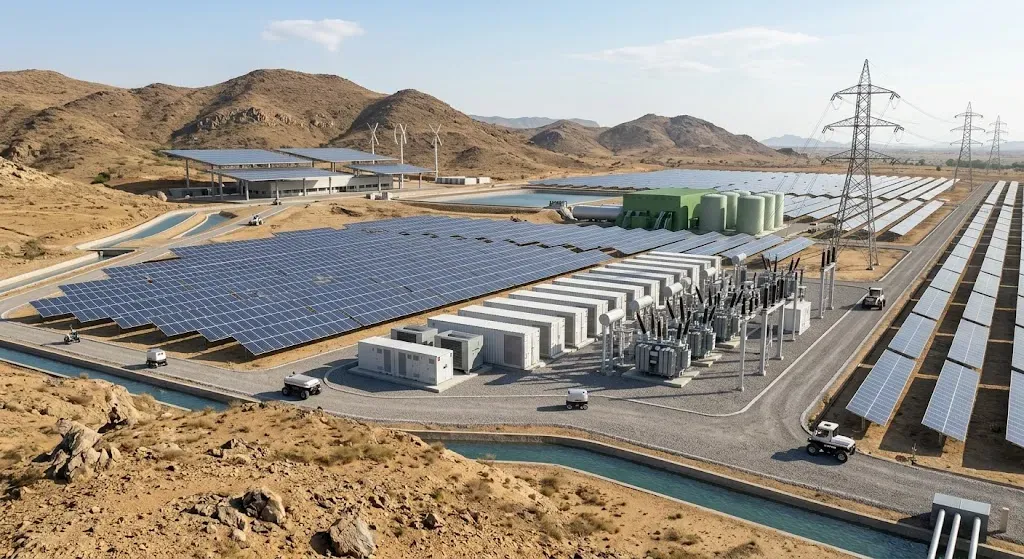
The finalized agreement facilitates the delivery of five modular power generation units to an existing facility in South Korea. This specific deployment expands a site that already operates nearly sixty megawatts of installed capacity, cementing its status as one of the most extensive fuel cell installations globally. The financial structure was executed under a loan guarantee program, involving specialized export funding corporations to mitigate cross-border transaction risks.
This development matters because it demonstrates a viable financial pathway for deploying high-capital clean energy infrastructure internationally. By leveraging sovereign export credit support, the transaction reduces the cost of capital for large-scale green energy projects. It directly impacts the renewable power generation sector, utility operators, and international trade finance institutions, proving that decentralized, low-emission power solutions can be competitively scaled across borders.
FuelCell Energy is a Connecticut-based clean technology enterprise specializing in scalable, on-site baseload power generation. The firm designs and manufactures modular fuel cell platforms, maintaining a domestic supply chain exceeding ninety percent while supporting global deployments approaching one gigawatt of installed capacity.
For investors and industry stakeholders, this milestone signals strengthening demand for resilient, utility-grade power systems beyond traditional grid frameworks. As data centers and heavy industrial facilities increasingly require dependable, localized energy sources, manufacturers with established international financing relationships possess a distinct competitive advantage. The successful execution of this tranche also validates the long-term viability of export-backed capital strategies in sustaining global infrastructure expansion.