UNITED STATES OF AMERICA —Harbinger has closed a USD 240 million Series D financing round to accelerate the deployment of its vertically integrated electrification and autonomous technologies. Institutional and strategic backers, including Fidelity Management and Research Company, Squarepoint Capital, and Greycroft, joined co-leads Tiger Global, Capricorn, and Ridgeline in the transaction. This latest injection brings the total capital raised by the firm since its inception in 2021 to over USD 650 million.
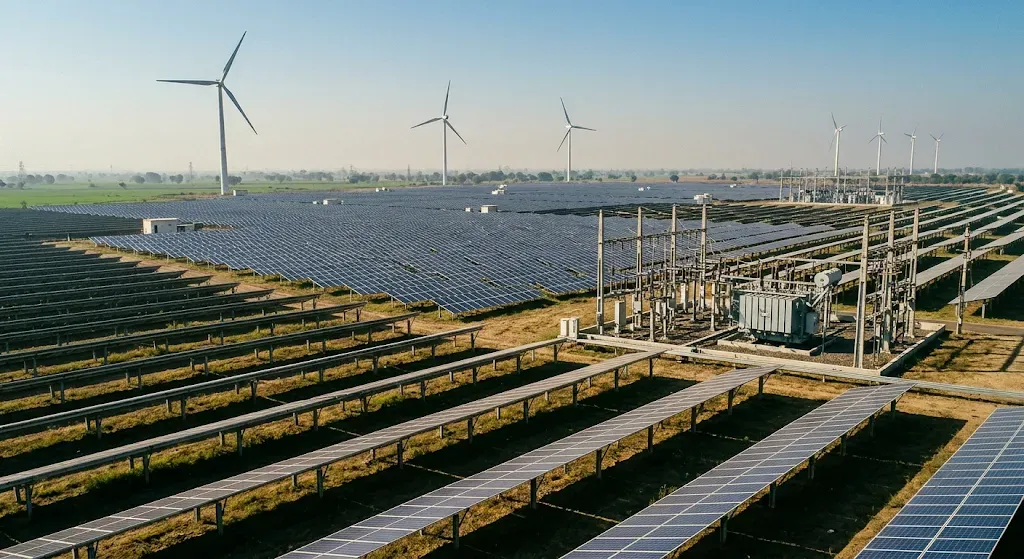
The capital is allocated to scale manufacturing capacity for medium-duty platforms while expanding into adjacent high-growth verticals. These include energy storage systems, power generation infrastructure, autonomous software, and specialized defense applications. The move underscores a broader market shift wherein legacy industrial systems are being retrofitted or replaced to meet the escalating power demands of artificial intelligence infrastructure and modern logistics networks.
Commercial logistics and defense stakeholders are primary beneficiaries of this expansion. Demonstrating commercial validation, a major global logistics provider recently integrated a senior executive into the board of directors to guide safety and operational execution. Concurrently, the same entity committed to a procurement agreement for two thousand all-electric units, representing a contract value exceeding USD 300 million. Goldman Sachs and Morgan Stanley acted as placement agents for the transaction.
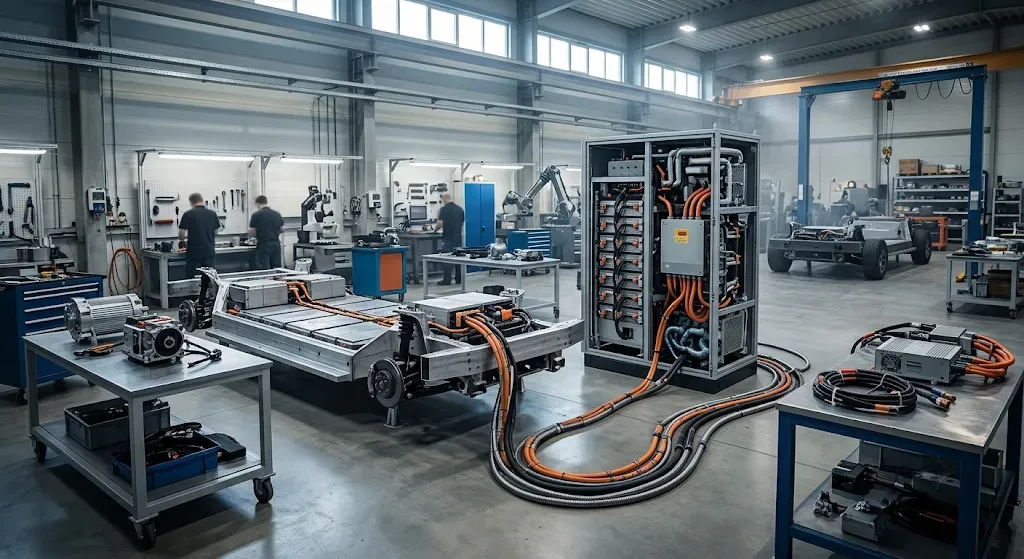
Headquartered in Garden Grove, California, Harbinger is an industrial technology developer specializing in advanced electrification solutions. The firm engineers and produces medium-duty electric and hybrid vehicle platforms, drivetrain systems, and auxiliary power units designed for commercial transportation, mobile healthcare, and defense sectors. By maintaining deep vertical integration, the company aims to control development costs and performance metrics across its product lifecycle.
This funding event signals investor confidence in domestic manufacturing platforms capable of bridging the gap between traditional automotive production and next-generation industrial power requirements. As regulatory pressures and operational efficiency demands intensify, enterprises reliant on medium-duty commercial fleets and decentralized power systems will likely face increased competition from vertically integrated technology providers.