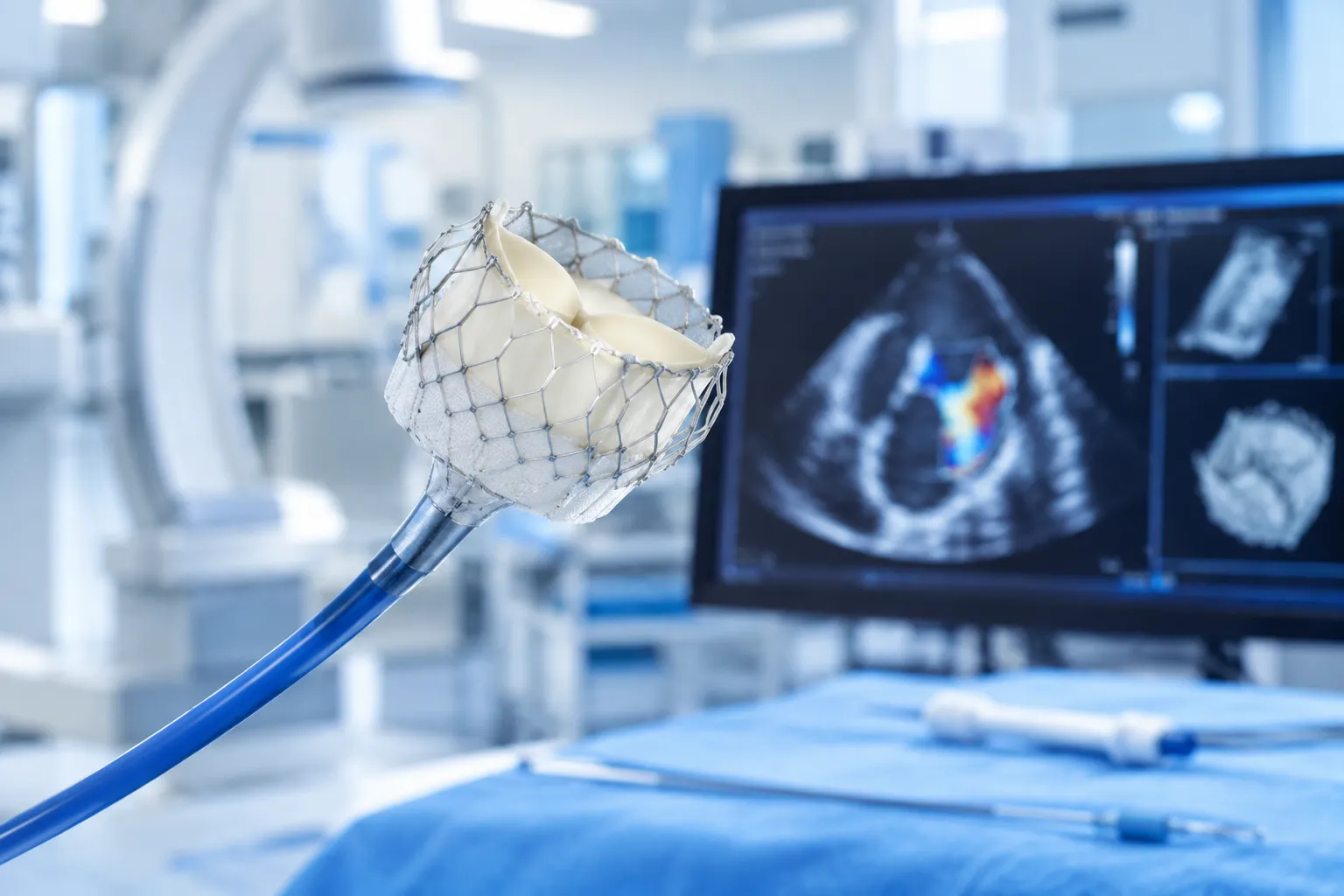
FRANCE; UNITED STATES OF AMERICA —HighLife Medical has successfully closed a USD 90 million financing round to accelerate the commercial rollout of its structural heart therapies across Europe and initiate a pivotal clinical study in the United States. The investment syndicate was co-led by Andera Partners, Sofinnova Partners, Supernova Invest, and Merieux Equity Partners, with additional participation from the European Investment Bank, BNP Paribas Developpement, and several specialized life sciences funds. This capital injection follows a series of regulatory achievements, including recent CE Mark approvals for both the company’s primary Transcatheter Mitral Valve Replacement system and its next-generation Clarity Valve.
HighLife Medical is a Paris-based medical device enterprise founded in 2010, maintaining an additional operational facility in Irvine, California. The organization specializes in developing minimally invasive transcatheter solutions for structural heart disease, specifically targeting patients with severe mitral valve regurgitation who are ineligible for conventional surgical or edge-to-edge repair procedures.
This financial milestone is strategically critical for the company’s transition from clinical development to broader market adoption. The newly secured funding directly addresses the substantial capital requirements associated with executing a US pivotal trial, which is a mandatory prerequisite for Food and Drug Administration market authorization. Simultaneously, it provides the necessary working capital to scale manufacturing, distribution, and clinical support infrastructure required for the limited market release already authorized in select European jurisdictions.
From an industry perspective, the transaction highlights sustained investor confidence in the structural heart disease sector, particularly for technologies addressing left ventricular outflow tract obstruction risks. The sequential regulatory approvals in Europe demonstrate a viable pathway for novel valve-in-ring concepts, validating the clinical utility of the technology. This momentum is expected to influence competitive dynamics within the broader cardiovascular medical device landscape, encouraging further institutional capital allocation toward differentiated, late-stage therapeutic platforms.
For market participants and healthcare investors, the progression of this enterprise represents a measurable de-risking of its primary asset pipeline. The dual-track strategy of monetizing early European adoption while simultaneously funding the rigorous US regulatory pathway positions the firm for long-term valuation growth. Successful execution of the upcoming pivotal trial will likely position the company as a prime candidate for strategic partnerships or acquisition by larger multinational medical device corporations seeking to expand their structural heart portfolios.