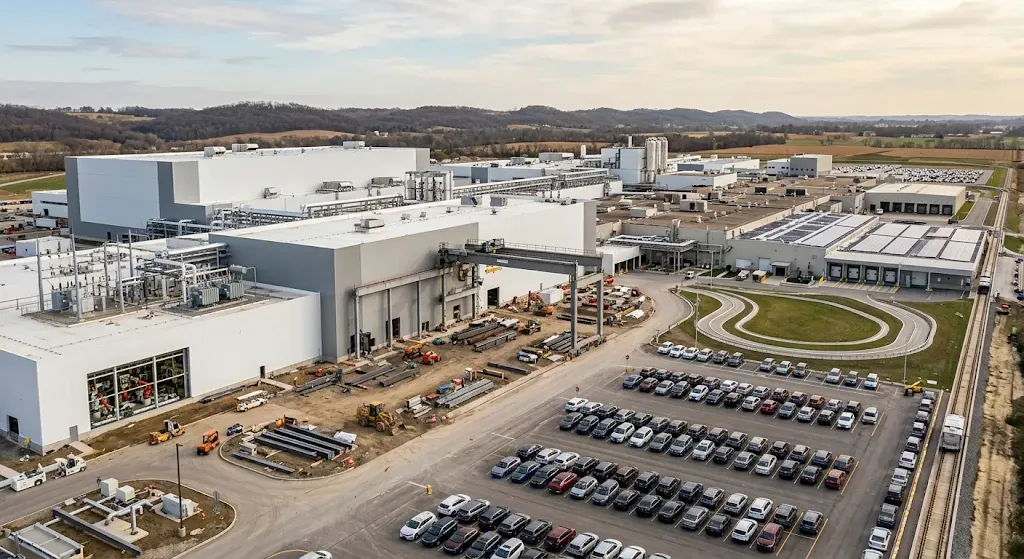
UNITED STATES OF AMERICA —Japanese multinational automotive conglomerate Honda Motor Co. is channeling USD 3 billion into a new vehicle manufacturing plant in Central Ohio, alongside comprehensive retooling initiatives across its broader North American operational footprint. The greenfield facility, positioned between existing operations in Marysville and East Liberty, will introduce an incremental annual capacity of 240,000 vehicles and generate more than 2,000 employment opportunities upon achieving operational status in 2029. Founded in 1948, Honda operates as a globally recognized manufacturer of automobiles, motorcycles, and power equipment with extensive production networks across multiple continents.
This capital allocation addresses intensifying consumer demand for hybrid-electric powertrains while adapting manufacturing infrastructure for multi-powertrain flexibility. Alongside the primary facility buildout, the initiative encompasses significant engineering overhauls at the Anna Engine Plant in Ohio and the Alabama Auto Plant, alongside transmission production enhancements at regional sites in Ohio and Georgia. Furthermore, operational updates are scheduled for manufacturing infrastructure in Alliston, Ontario. These integrated adjustments will elevate total regional manufacturing capability while scaling the corporation's specialized powertrain output significantly.
The strategic expansion carries substantial implications for the automotive manufacturing sector, regional supply chain vendors, and labor markets across the United States. By modernizing legacy production lines to accommodate next-generation Atkinson-cycle engines and multi-motor hybrid configurations, the enterprise is mitigating supply chain vulnerabilities through localized sourcing. The integration of advanced automation and flexible assembly architectures allows facilities to dynamically shift between internal combustion, hybrid, and battery-electric platforms in response to regulatory shifts and market fluctuations.
Institutional investors and industry analysts view the capital expenditure as a critical pivot toward electrification resilience without abandoning intermediate hybrid demand. Strengthening local component ecosystems across Ohio, Alabama, and Georgia insulates operations from cross-border trade friction and logistics bottlenecks. Competitors in the North American automotive space face heightened pressure to accelerate localized electrification investments to match the scale and flexibility of this integrated production network.