FINLAND; UNITED KINGDOM —Hyperion Robotics has closed a US$ 7.4 million growth funding round to accelerate the deployment of its automated manufacturing facilities across European markets. The investment was co-led by Course Corrected and the European Innovation Council Fund, with additional participation from RE Ventures, Lifeline Ventures, Übermorgen Ventures, and PC Rettig Impact & Co. This capital injection brings the total raised capital to nearly US$ 20 million, facilitating a strategic transition from localized project delivery to industrial-scale production.
This development is significant as it addresses compounding challenges within the European construction sector. Aging infrastructure, including power grids and water systems, requires substantial reinvestment, while simultaneous demand surges for data centers and carbon capture facilities strain existing capacities. By utilizing a factory-based production model situated near project sites, the technology mitigates traditional logistical bottlenecks, circumvents regional labor shortages, and ensures consistent output quality independent of onsite environmental variables.
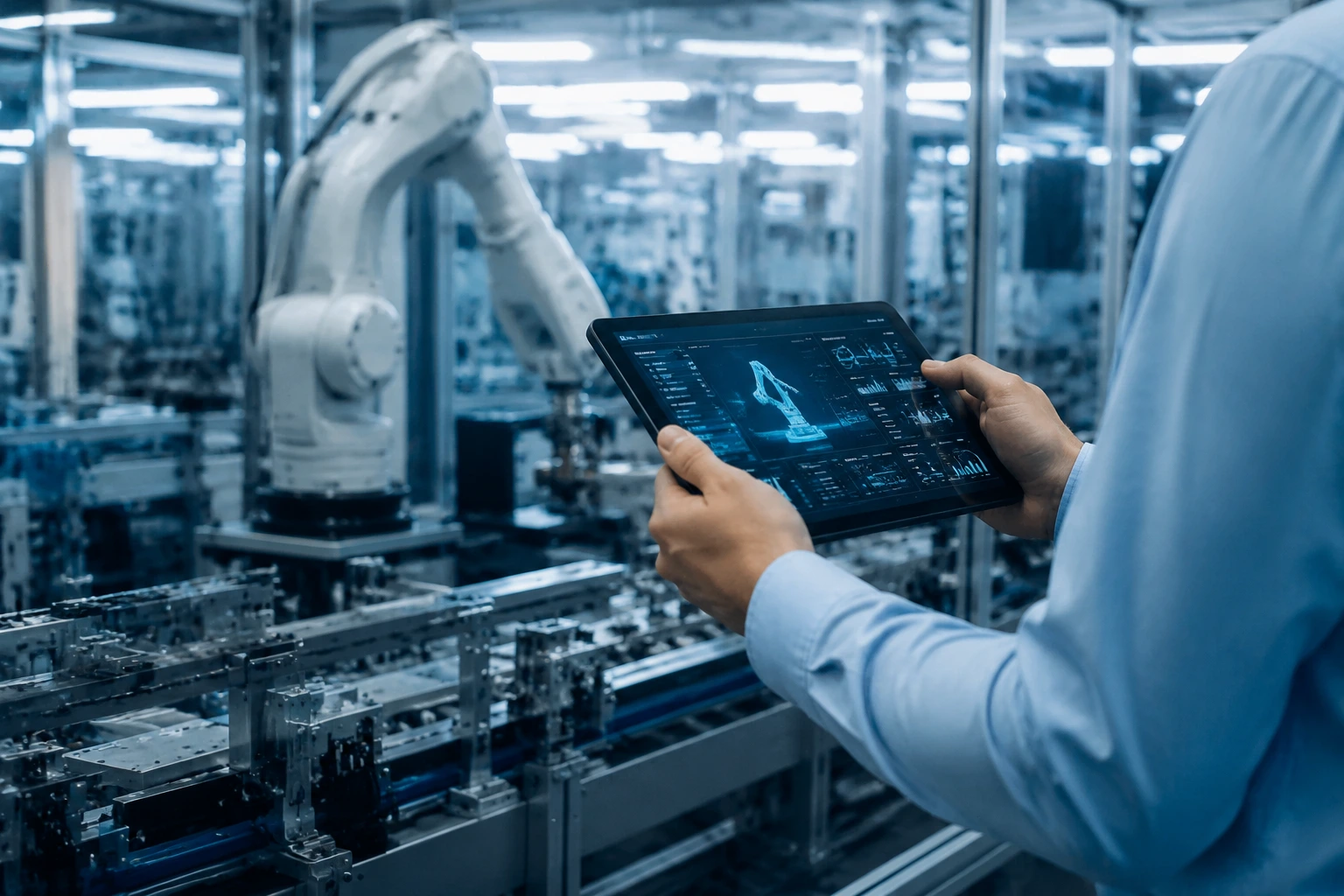
Hyperion Robotics is a construction technology enterprise specializing in automated, low-carbon infrastructure manufacturing. The firm integrates robotics, physical artificial intelligence, and proprietary software to produce concrete components, currently serving major utility and engineering stakeholders such as National Grid, Costain, and Anglian Water. Its core operational framework relies on a unified software platform that synchronizes structural engineering, regulatory compliance, and robotic factory operations.
The broader infrastructure and engineering sectors will likely experience accelerated adoption of off-site, digitally managed construction methodologies. Regulatory frameworks across Europe increasingly mandate stringent decarbonization targets, making traditional, labor-intensive concrete pouring methods financially and environmentally unsustainable. By reducing material usage by up to 75 percent and cutting carbon emissions significantly, this technological approach aligns directly with evolving environmental, social, and governance mandates. For investors and industrial stakeholders, this funding round validates the commercial viability of physical AI in heavy industry, signaling a structural shift toward scalable, technology-driven infrastructure asset creation.