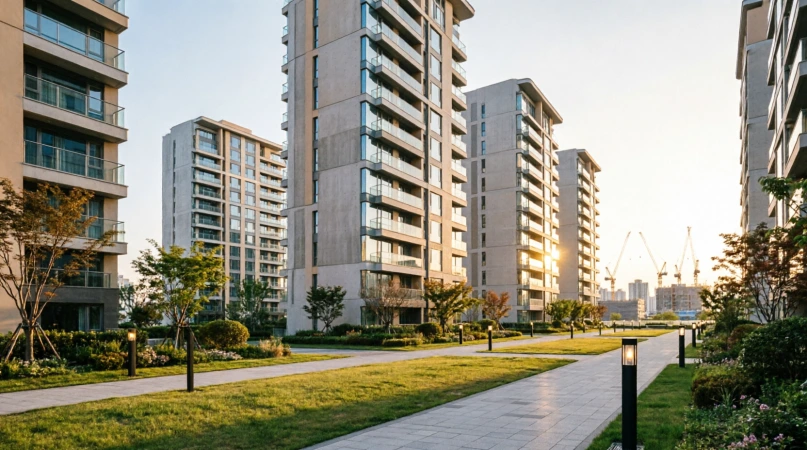
KOREA (SOUTH) —Hyundai Engineering & Construction has secured the construction mandate for the redevelopment of Mokdong Complex 10 in southwestern Seoul, marking its initial entry into the 14-estate Mokdong New Town residential district. Selected by project operator Korea Land Trust, the builder will transform the existing 2,160-unit residential site into a modern complex comprising 4,248 units across towers reaching up to 40 stories, alongside extensive community facilities. The total construction contract is valued at approximately 2.61 trillion won.
Hyundai Engineering & Construction is a major South Korean engineering and construction company active in international infrastructure, residential development, and energy projects. The firm provides comprehensive design, engineering, and construction services across building, civil infrastructure, and industrial plant sectors globally.
This contract win pushes the company's total urban redevelopment orders past 12 trillion won for the year, following its earlier milestone of exceeding 10 trillion won in order volume. The development will feature the contractor's premium residential brand, DH, under the project name DH Mokdong Eser. Architectural firm Morphosis and urban planning firm Sasaki participated in the site's structural and landscape master planning.
The project highlights a growing momentum in large-scale urban regeneration across Seoul's established residential hubs, where aging housing stock from the 1980s is being replaced with high-density, multi-purpose complexes. Rebuilding initiatives of this scale drive substantial demand across the construction, architectural design, building materials, and real estate finance sectors.
For institutional investors and real estate developers, successful project approvals in high-demand residential zones signal strong market absorption potential despite broader macroeconomic uncertainties. The deployment of high-end branding and global design capabilities underscores the intensifying competition among major contractors to secure prime redevelopment sites in key urban corridors.