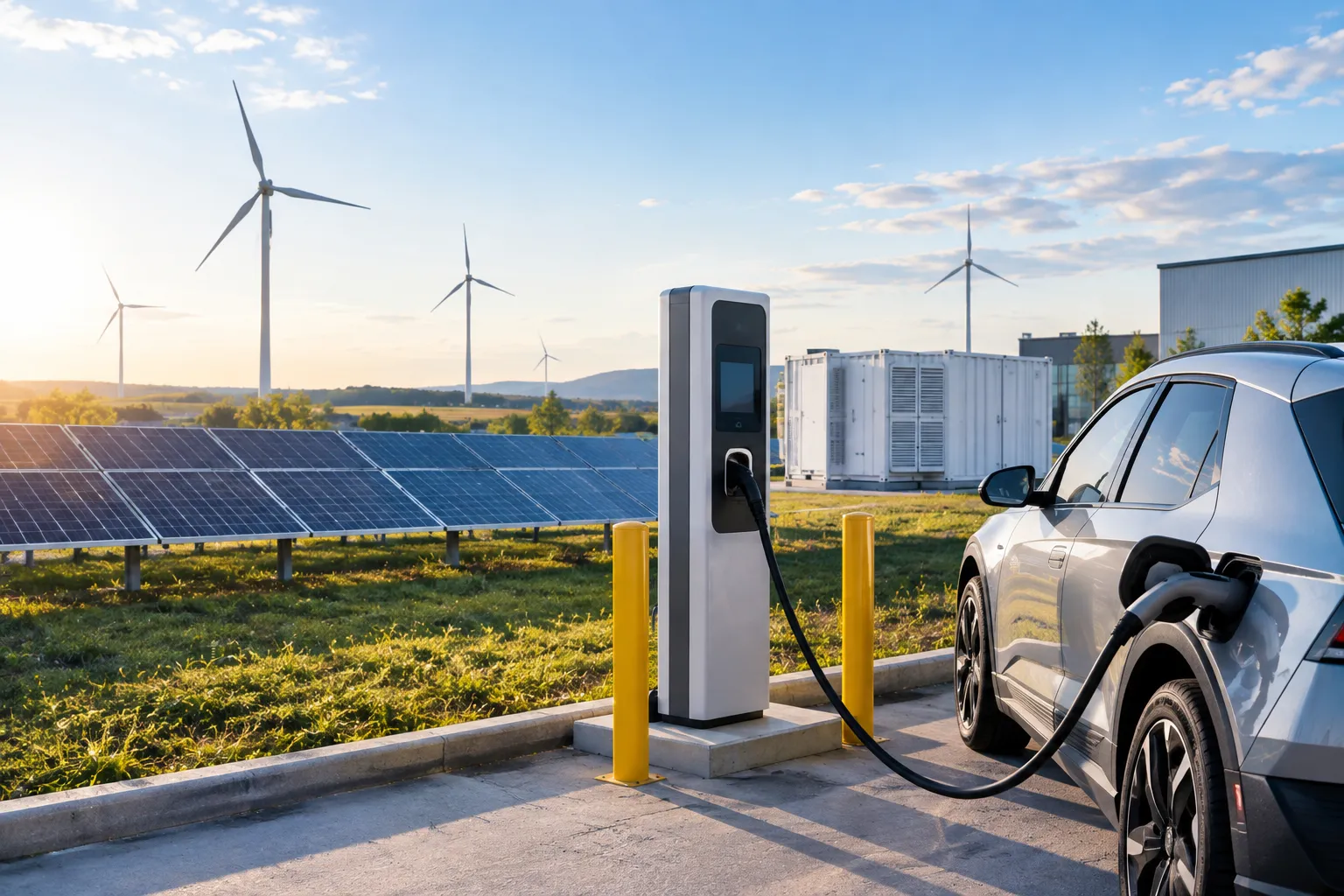
COTE DIVOIRE (IVORY COAST); KOREA (SOUTH) —Hyundai Motor Group and the African Development Bank Group have formalized a non-binding Letter of Intent to investigate collaborative opportunities focused on green industrialisation across the African continent. The framework outlines prospective cooperation in six primary domains: clean energy transition encompassing renewables and green hydrogen, sustainable mobility solutions, transport and logistics infrastructure, electric vehicle value chains utilizing regional critical minerals, industrial manufacturing capacity, and specialized talent development.
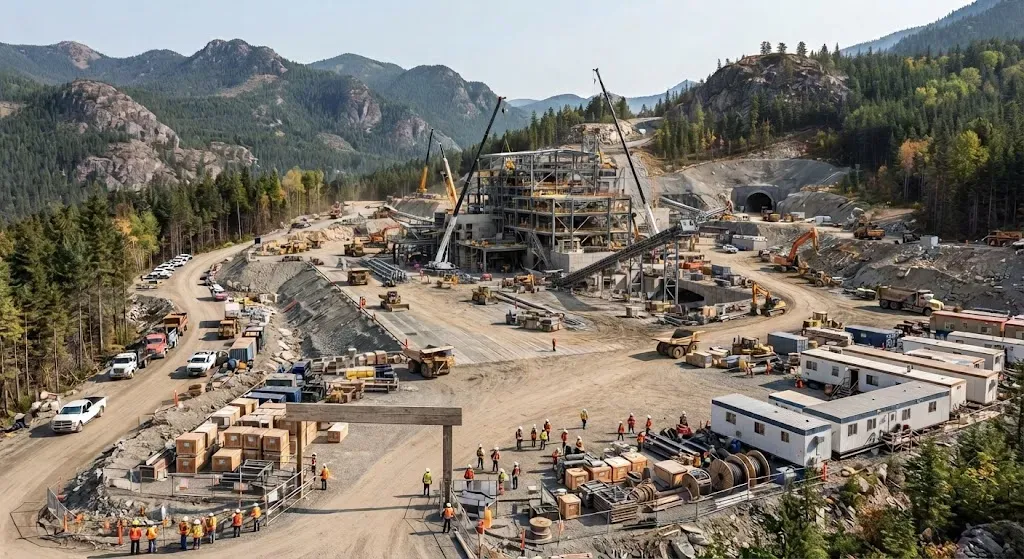
This development signifies a strategic pivot toward securing resilient global supply networks. By integrating African critical minerals into localized processing and manufacturing operations, multinational corporations can mitigate geopolitical disruption risks and shorten supply chains. For the African continent, this represents a transition from raw material extraction to value-added industrial participation, fostering long-term economic competitiveness and workforce modernization.
The initiative directly impacts the automotive, renewable energy, and infrastructure sectors. Stakeholders including regional governments, private equity investors, and industrial manufacturers will observe heightened activity in project structuring and public-private partnerships. The African Development Bank Group, a multilateral development finance institution headquartered in Côte d'Ivoire, aims to leverage its convening power to de-risk operations and mobilize private capital. Conversely, Hyundai Motor Group, a leading South Korean automotive manufacturer, seeks to align its electrification roadmap with emerging market opportunities and resource security.
From a market perspective, this alignment facilitates the pooling of development finance expertise with advanced technological capabilities. While the current agreement establishes no immediate financial commitments, it lays the groundwork for future bankable projects subject to standard due diligence. Successful execution could catalyze significant foreign direct investment into African industrial zones, accelerating the deployment of climate-smart infrastructure and reinforcing the continent’s position in the global electric vehicle supply ecosystem.