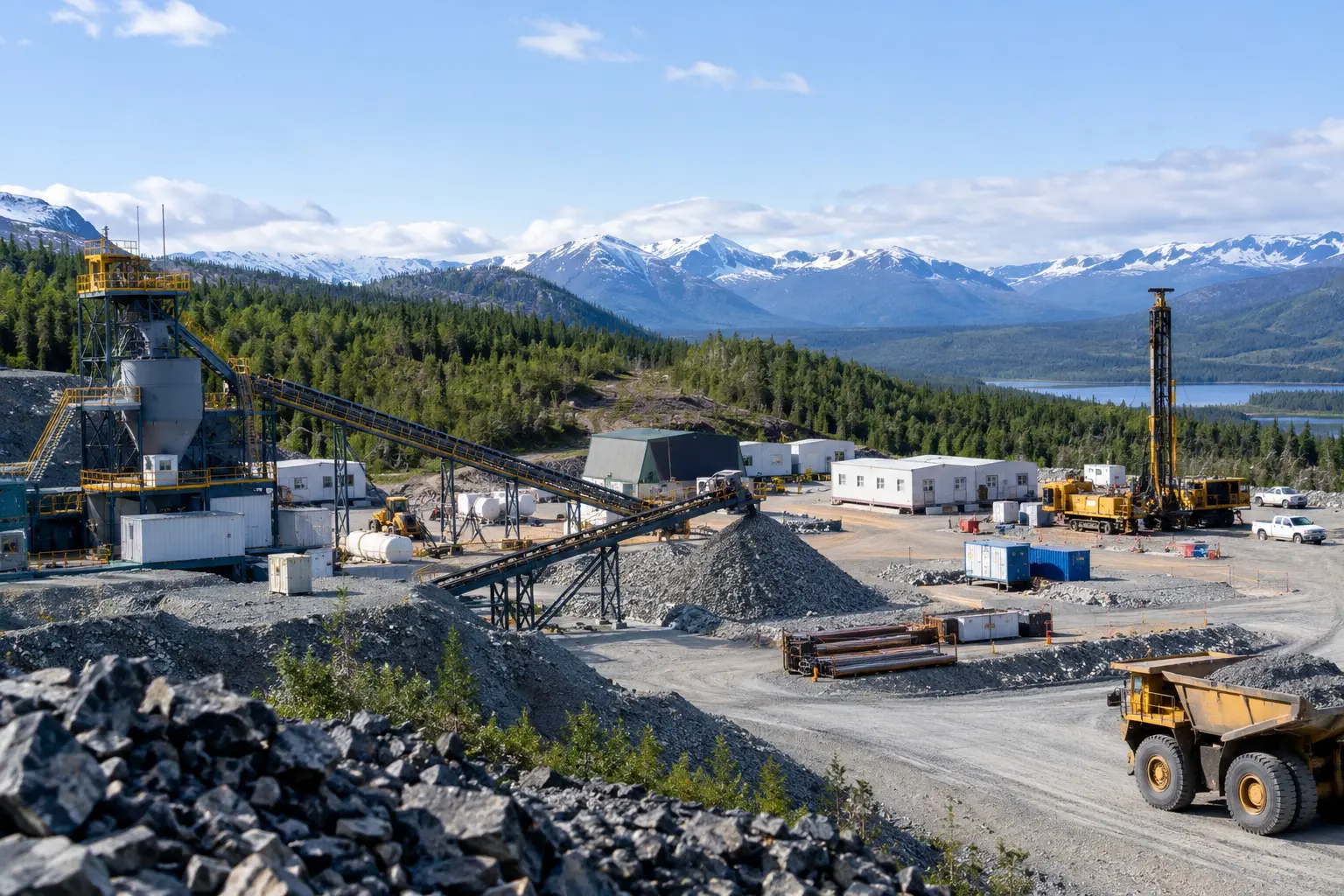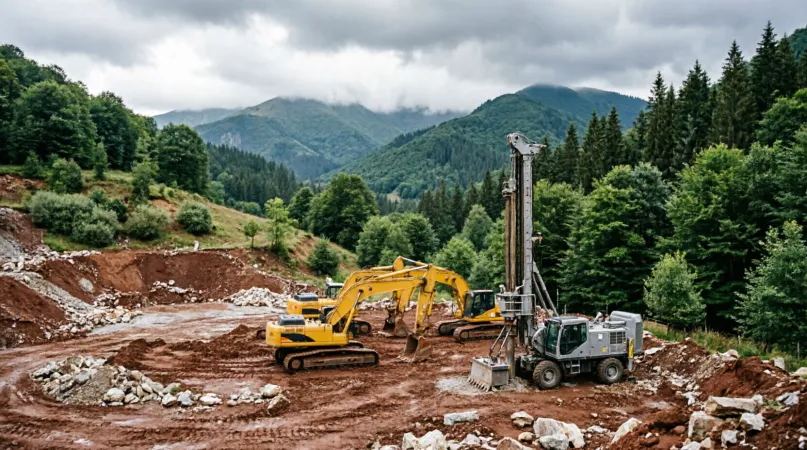
BRAZIL —Mineral exploration and development firm IMC Rare Earths is expanding operational activities at its flagship ionic adsorption clay project located across the Brazilian states of Bahia and Minas Gerais. The enterprise has initiated deep diamond drilling across designated plateau zones to examine mineralization profiles beyond the limits of previous mechanical auger sampling, targeting depths extending into bedrock. Concurrently, technical field trials focusing on in-situ recovery methods are progressing under the management of an international engineering consultancy, with injection testing scheduled for the upcoming quarter alongside an expanded network of groundwater monitoring wells. Analytical testing of material samples is also underway at academic facilities to evaluate mineral characteristics and leaching performance using specific chemical reagents. Operational capacity has been reinforced through increased workforce deployment and the establishment of dedicated logistical and administrative facilities in the region.
This operational expansion is strategically significant as the sector faces increasing demand for critical tech metals, particularly heavy rare earth elements such as dysprosium, terbium, and yttrium, which are essential for advanced electronics and green energy technologies. By investigating deeper bedrock potential and exploring in-situ recovery techniques, the company is attempting to establish a pathway toward lower-cost development and a reduced environmental footprint compared to conventional extraction methods. Successfully validating alternative recovery pathways and expanding the resource definition could substantially shift the project's economic profile and scale parameters as technical evaluations proceed toward upcoming resource estimates.
The developments directly impact the global critical minerals sector, particularly stakeholders in mining technology, rare earth supply chains, and environmental engineering. Regional communities and local municipal infrastructure in Brazil are also affected through ongoing workforce engagement and local socioeconomic initiatives. Engineering firms, specialized laboratories, and investors tracking ionic adsorption clay deposits stand to gain valuable technical insights as field trials and hydrogeological assessments generate performance data.
Market participants and institutional investors are closely monitoring these technical trials as a barometer for alternative mineral extraction feasibility in weathered clay deposits. For businesses dependent on secure supplies of magnet metals, successful field-scale in-situ recovery could signal a viable model for lowering capital expenditures and mitigating environmental hurdles associated with traditional mining. Continued progress in drilling and metallurgical testing will likely influence future capital allocation and project valuation metrics across the exploration sector.