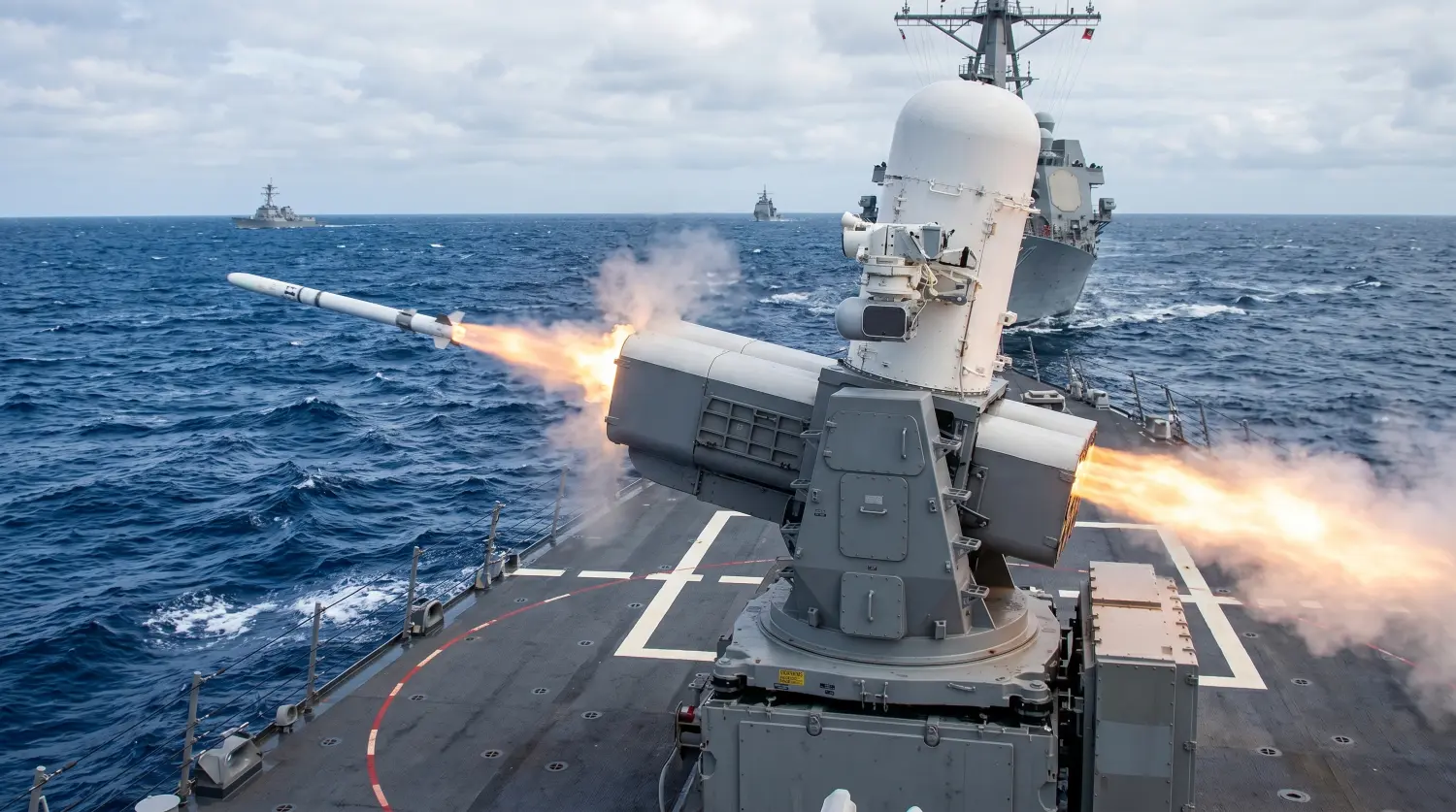
INDIA —India has advanced a major military modernization programme after the Defence Acquisition Council (DAC), chaired by Defence Minister Rajnath Singh, granted Acceptance of Necessity for capital acquisition proposals valued at about Rs 520 billion. The approvals cover equipment for the Indian Army, Indian Navy and Indian Air Force, spanning air defence, electronic warfare, autonomous systems, naval mine warfare and persistent surveillance.
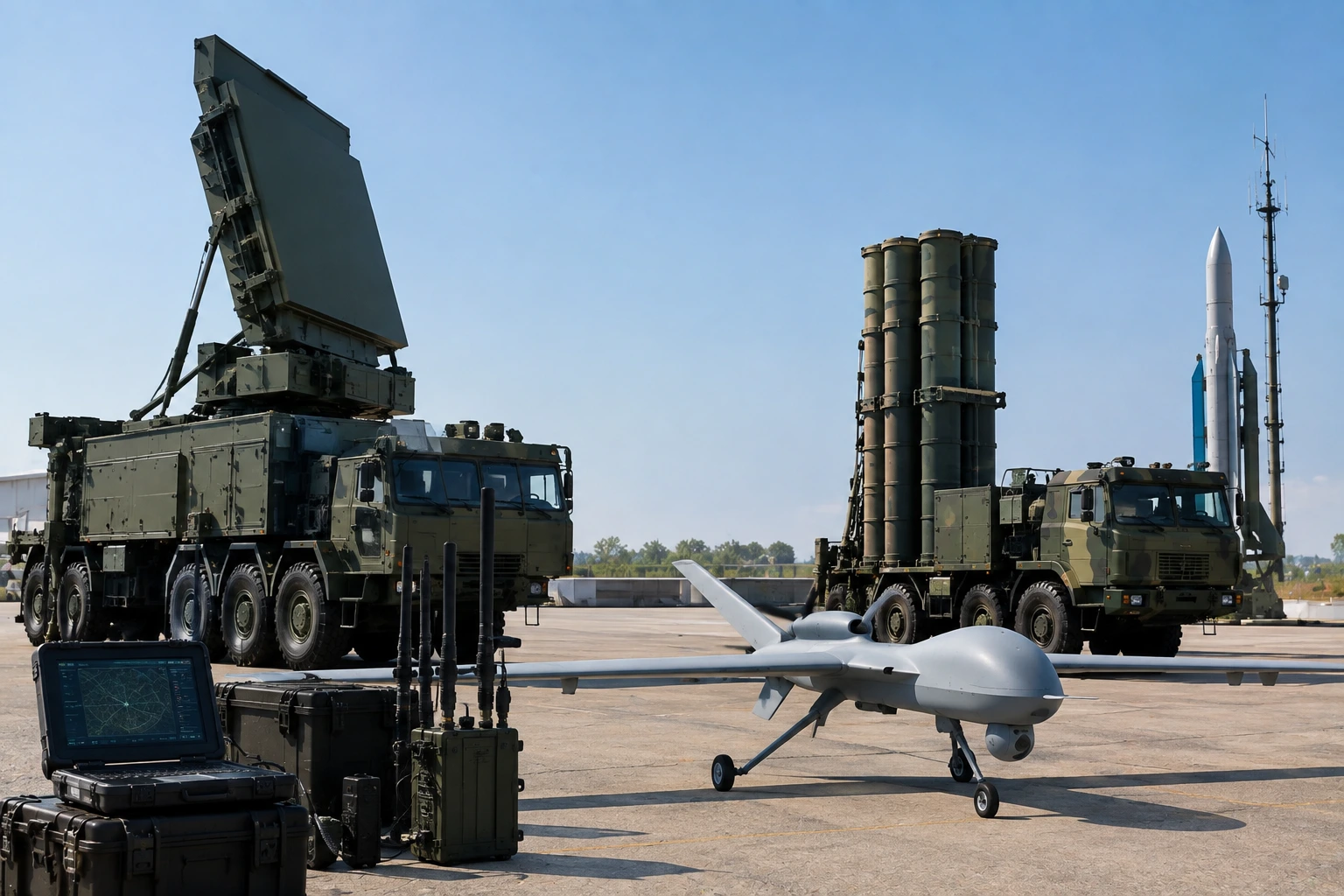
The Army-related proposals include the AKASH TARANG anti-UAV electronic warfare system, Man Portable Anti-Tank Guided Missile systems, the Medium Range Surface-to-Air Missile weapon system and the Very Short Range Air Defence System. The package also includes Active Protection Systems for tanks and jet-based kamikaze drone systems. Collectively, these capabilities are intended to address evolving threats from unmanned platforms, mechanised forces, stand-off aerial attacks and battlefield surveillance.
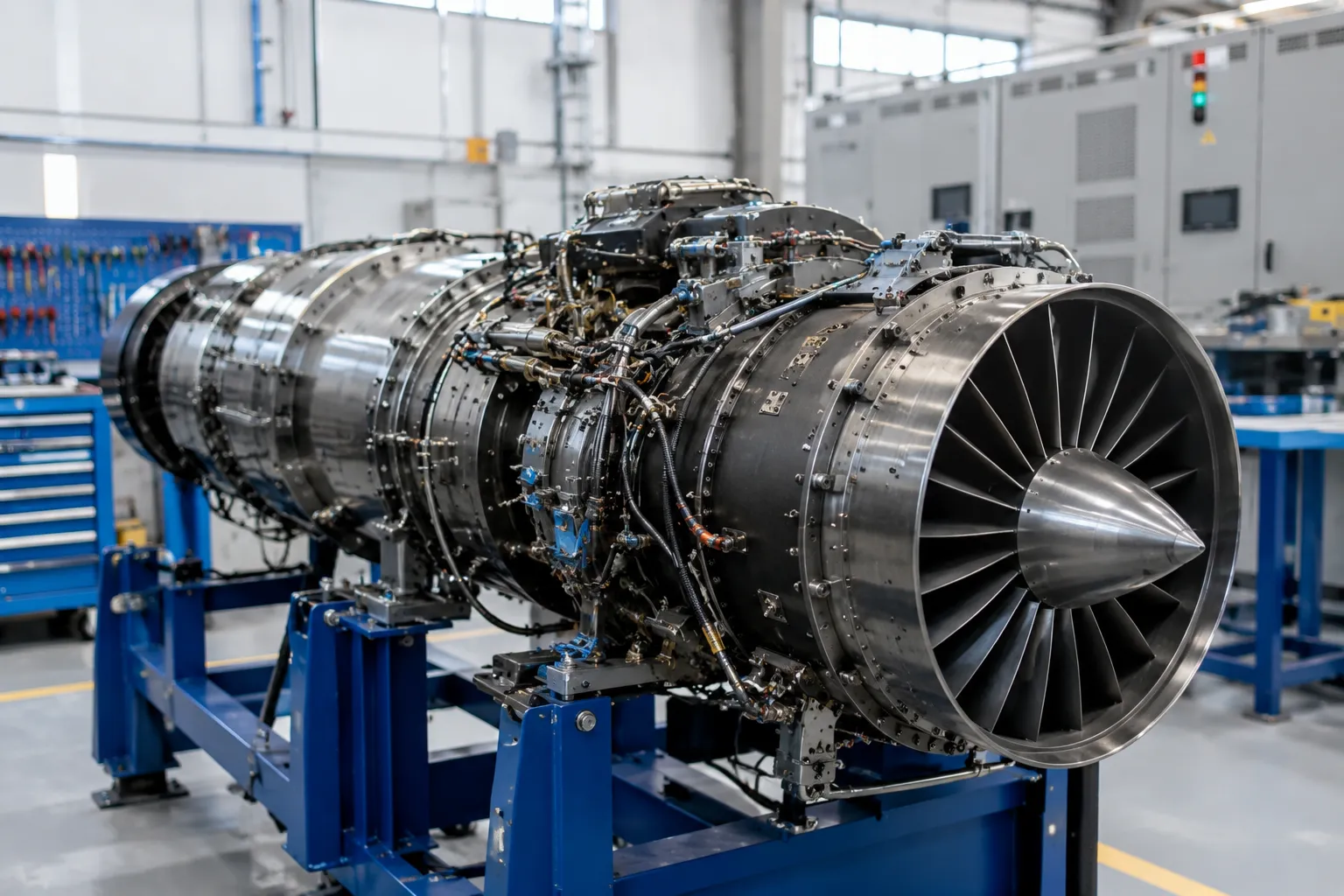
For the Navy, the approved requirements comprise Multi Influence Ground Mines, Naval Shipborne Unmanned Aerial Systems and a Land Based Testing Facility for electric propulsion systems. The unmanned aerial systems are expected to strengthen maritime surveillance through sensor-equipped platforms, while the testing facility will support evaluation of propulsion motors and related equipment for future naval vessels. The mine capability is intended to constrain hostile maritime movement in operational environments.
The Air Force component includes Fixed-Wing High Altitude Pseudo Satellites and associated equipment. These long-endurance platforms can support intelligence, surveillance and reconnaissance, telecommunications and remote sensing missions, potentially extending persistent monitoring capabilities without relying solely on conventional aircraft or satellites.
The approvals are significant for India’s defence industrial base because they create demand across several technology-intensive segments, including electronic warfare, missile systems, unmanned aerial vehicles, sensors, vehicle protection and electric propulsion. They also indicate continued procurement emphasis on next-generation systems that can respond to increasingly complex aerial and autonomous threats.
For defence manufacturers and technology suppliers, the breadth of the requirements could support opportunities across the domestic value chain, particularly in specialised electronics, autonomous systems, missile technologies and naval engineering. The AoN stage, however, represents an initial procurement approval rather than a completed contract award, with subsequent acquisition processes determining final suppliers and commercial commitments.
The Ministry of Defence is India’s central government authority responsible for defence policy, military administration and oversight of the country’s armed forces. Its procurement decisions have a direct bearing on the development of India’s domestic defence manufacturing ecosystem and the investment priorities of companies serving military requirements.