
Japan has stepped back from plans to participate in Vietnam’s proposed Ninh Thuan 2 nuclear power plant, citing timeline constraints. The decision may affect Vietnam’s long-term capacity planning as the country seeks to prevent future electricity shortages through large-scale baseload additions.
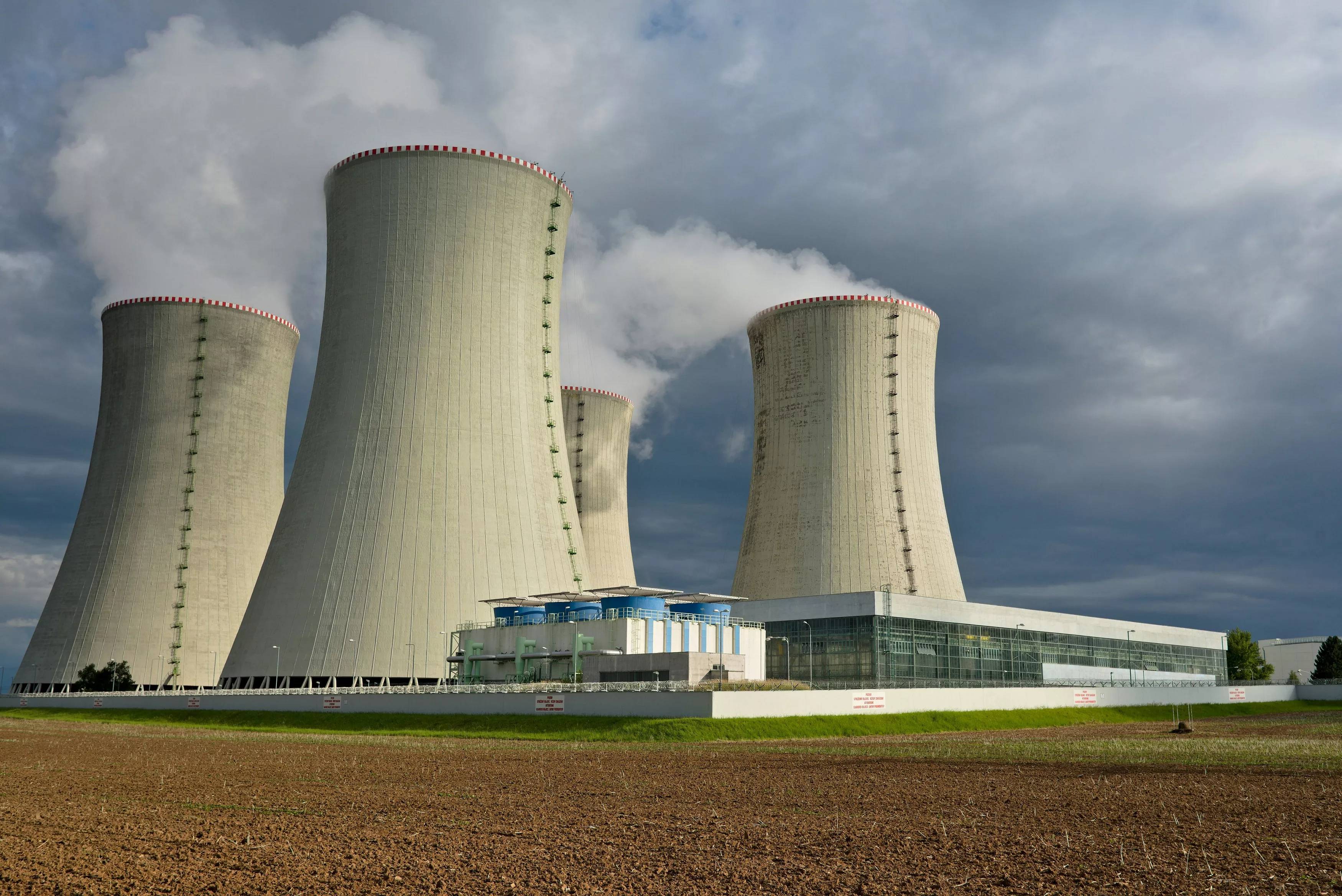
Japan will not proceed with involvement in the proposed Ninh Thuan 2 nuclear power project in Vietnam, according to statements by Japanese Ambassador Naoki Ito reported by international media. The planned facility, designed with a generation capacity of between 2 and 3.2 gigawatts, forms part of Vietnam’s broader strategy to expand baseload electricity supply.
The withdrawal is attributed to constraints surrounding the project’s implementation schedule. Ninh Thuan 2 had been targeted for commissioning by 2035, in parallel with the similarly sized Ninh Thuan 1 plant under the government’s long-term power development roadmap.
Vietnam has been evaluating nuclear energy as a component of its diversification strategy to strengthen energy security, reduce reliance on imported fuels and support industrial growth. Japan’s exit introduces potential delays in project structuring, technology selection and financing arrangements, which are critical for large-scale nuclear developments.
For policymakers and investors, the development underscores execution risks tied to complex infrastructure timelines in emerging power markets. The shift may prompt Vietnam to reassess partnership models, funding structures or alternative generation pathways to meet projected demand growth and avoid supply deficits in the 2030s.
About GlobeNewsInfo
GlobeNewsInfo.com is a business news platform providing latest updates on global business developments, projects, and contract opportunities across diverse sectors and regions. The platform is designed to serve as a trusted source of information for companies, investors, and professionals worldwide.