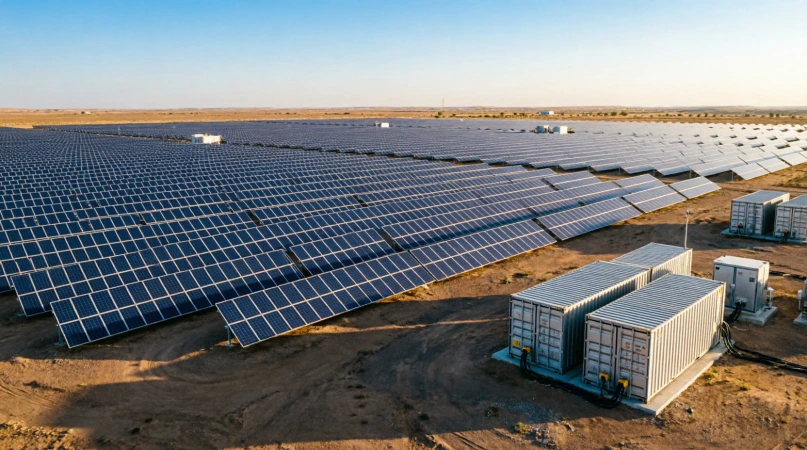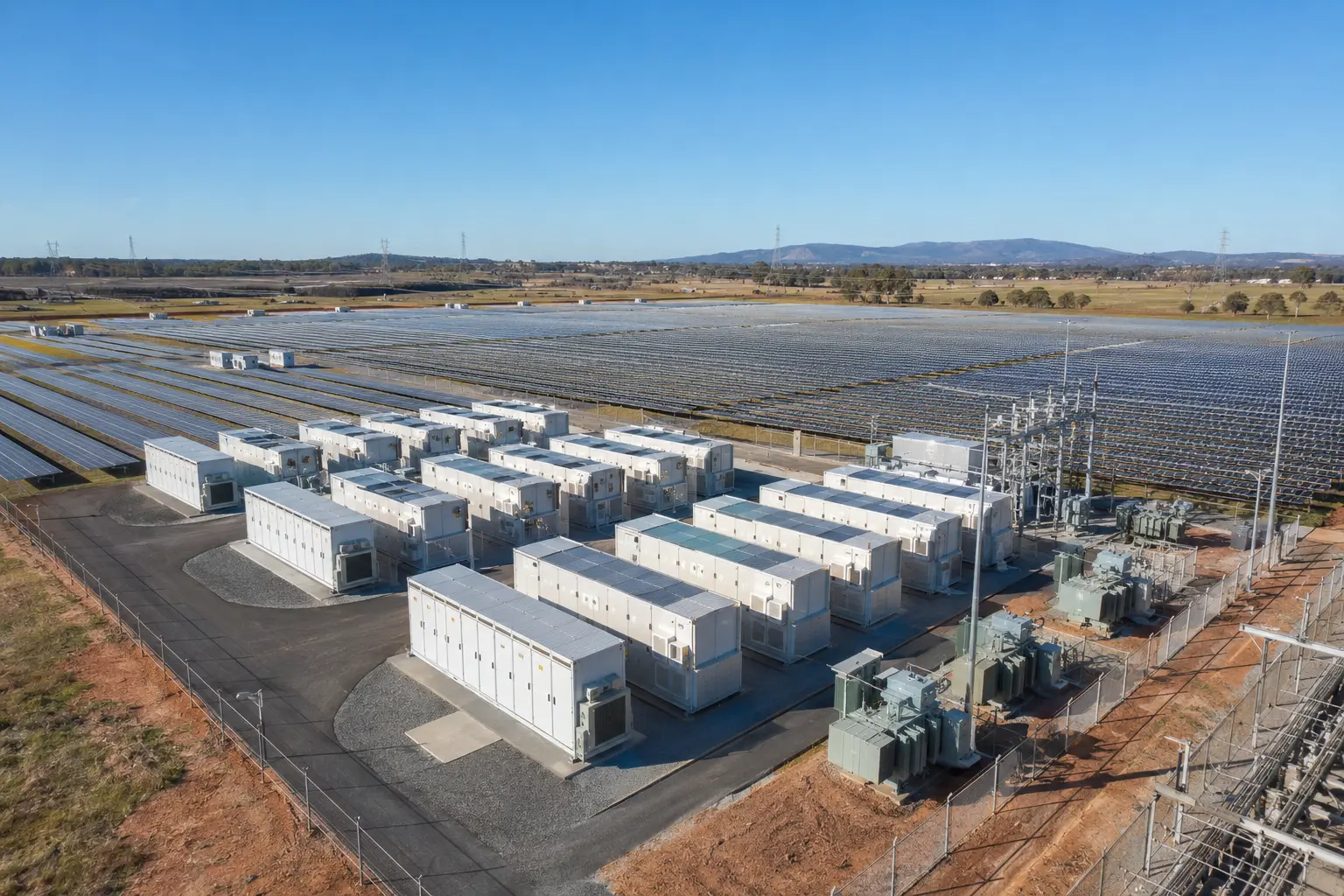
INDIA —Juniper Nirjara Energy, a subsidiary of independent renewable power producer Juniper Green Energy, has formalized a long-term Power Purchase Agreement with Indian public sector utility SJVN. The 25-year contract mandates the development and operation of a 50 MW Firm and Dispatchable Renewable Energy (FDRE) project. Secured following a Letter of Award issued in early February 2025, the agreement establishes a fixed tariff of INR 4.25 per unit. The facility will integrate utility-scale solar generation with a Battery Energy Storage System to meet strict output requirements.
SJVN operates as a state-backed energy generation and transmission enterprise, increasingly diversifying its historical focus on hydropower to encompass large-scale solar and wind assets. Juniper Green Energy functions as a private renewable energy developer, executing utility-scale solar, wind, and hybrid installations. With this latest contractual capacity addition, the private developer's cumulative project pipeline has expanded to 11,216 MWp of renewable energy generation alongside 8,989 MWh of integrated energy storage systems.
The execution of this contract holds significant importance for the domestic energy grid, as it directly addresses the inherent intermittency challenges associated with conventional solar power. Under the explicit stipulations of the agreement, the hybrid facility must guarantee power delivery during four critical peak hours each day, maintaining a rigid 90 percent availability threshold on a monthly basis. Furthermore, the installation must consistently achieve a mandated minimum annual Capacity Utilisation Factor. By combining photovoltaic generation with advanced battery storage capabilities, the project ensures a steady, reliable electricity supply precisely when grid demand peaks.
From an industry perspective, this development underscores a decisive policy and procurement shift among state utilities toward firm, round-the-clock green energy. Grid operators and power distribution companies are increasingly prioritizing dispatchable renewable solutions over standard solar or wind contracts to safely integrate higher volumes of clean energy without compromising system stability. Projects developed under specialized mechanisms like the SJVN FDRE-2 framework are instrumental in displacing fossil-fuel-based peaking power plants, aligning seamlessly with broader national decarbonization mandates and grid modernization efforts.
Strategically, the 25-year power purchase arrangement provides robust, long-term revenue visibility for the developer, ensuring bankability for large-scale hybrid storage projects. The mutually agreed tariff of INR 4.25 per unit clearly demonstrates the growing commercial viability of co-locating solar assets with utility-scale battery storage infrastructure. For investors and market participants, this dynamic signals an accelerating transition within the renewable sector where the integration of energy storage will inevitably become a standard prerequisite for new capacity tenders. As public procurement processes increasingly demand high availability and peak-hour performance, companies capable of delivering economically feasible firm dispatchable power are optimally positioned to capture a larger share of the evolving energy market.