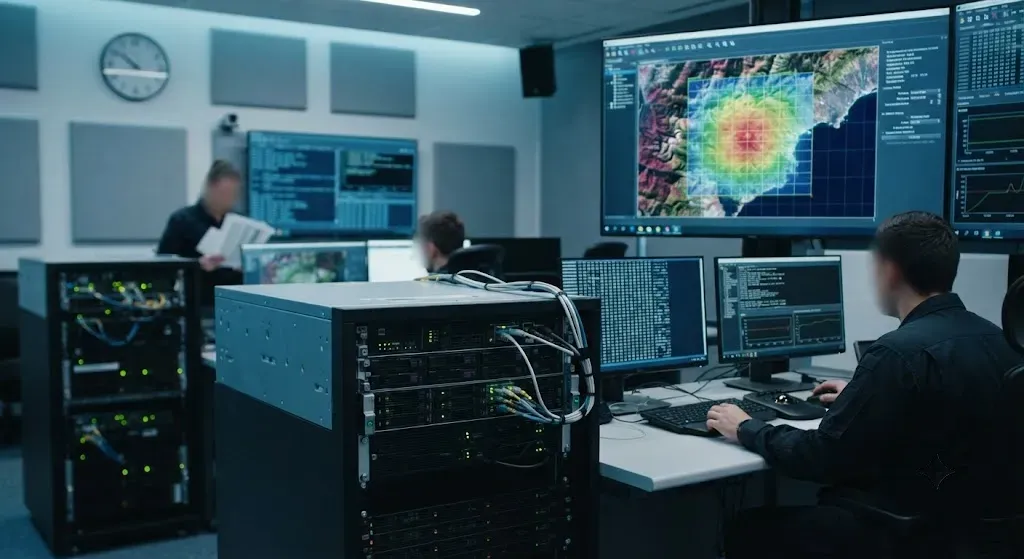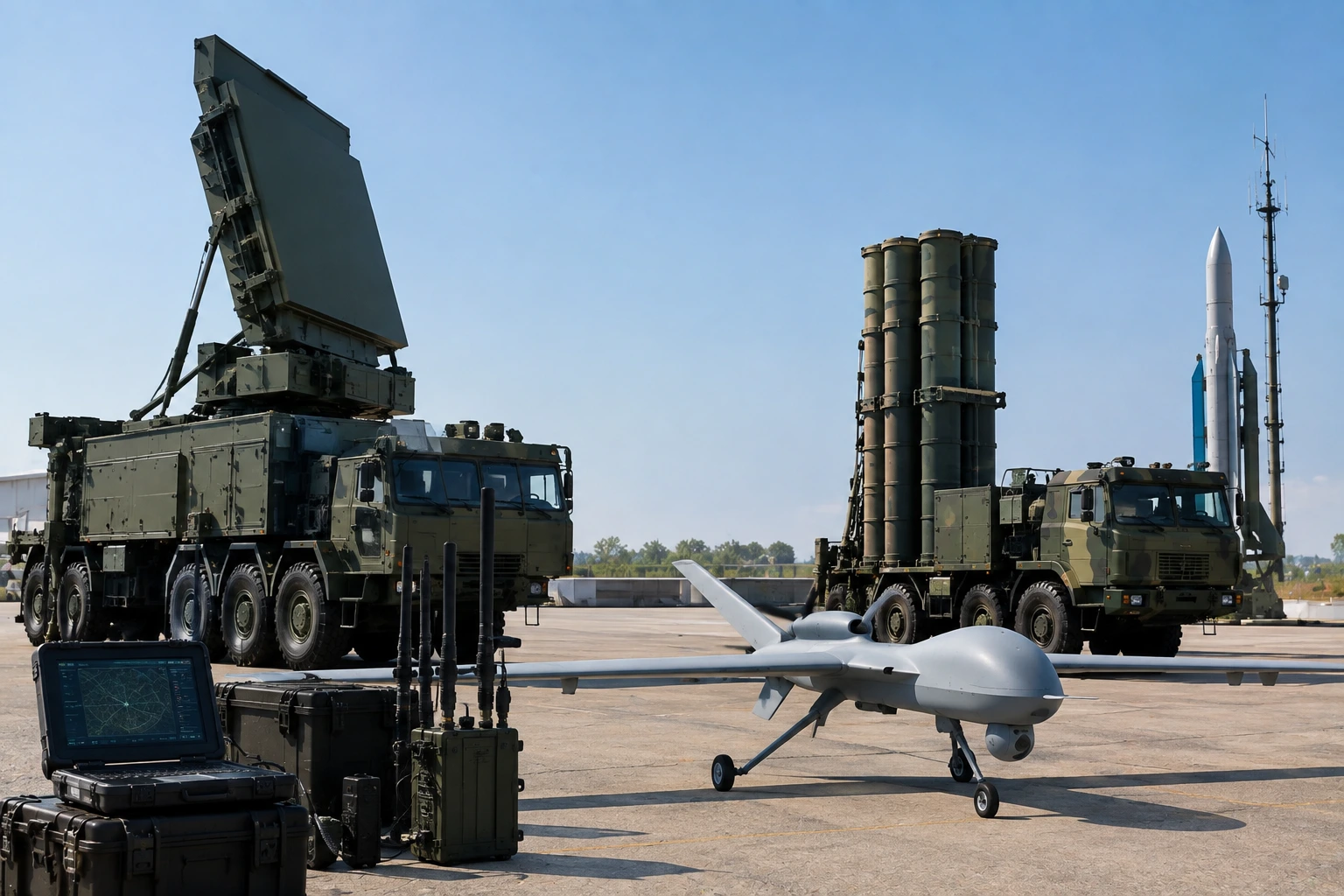
POLAND; UNITED STATES OF AMERICA —Drone autonomy platform developer Swarmer, Inc. has entered into a nonbinding memorandum of understanding with Vectus Air Defense Systems to produce and commercialize end-to-end mobile air defense hardware. Under the agreement, Vectus intends to acquire at least 40 units in the first year and an additional 80 or more units in the second year once manufacturing operations commence at a planned facility in Poland. Final volumes, delivery terms, and financial arrangements remain subject to definitive agreements between both parties.
Swarmer, Inc. is a defense technology firm specializing in vendor-agnostic software that enables single operators to manage autonomous swarms across multi-domain environments, backed by extensive operational testing in active conflict zones. Vectus Air Defense Systems offers defense-as-a-service solutions, integrating and operating layered airspace protection assets under multi-year agreements for sovereign entities and critical infrastructure managers.
The unit price for the mobile platforms is estimated between $5 million and $6 million per system. Designed to counter high-speed aerial threats such as jet-powered attack drones, the system incorporates integrated radar, optical tracking, fire control software, and rapid-fire 20mm rotary cannons. Utilizing gun-based kinetic interceptors rather than missile interceptors significantly alters the cost-per-engagement equation, leveraging widely available ammunition to lower the financial expenditure required to neutralize low-cost aerial platforms.
This initiative highlights a broader tactical migration toward mobile, rapidly deployable point-defense systems capable of guarding critical infrastructure and military assets against persistent drone saturation attacks. Establishing production facilities within European defense corridors positions supply networks closer to Eastern European allies, mitigating logistics risks while helping governments fulfill immediate air defense requirements amid shifting global security dynamics.
For defense contractors, infrastructure operators, and institutional investors, the joint venture indicates growing commercial traction for autonomous warfare integration and cost-effective kinetic counter-measures. The agreement reflects sustained demand for integrated sensor-to-shooter platforms that bridges autonomous software intelligence with traditional heavy ordinance to shield public and private assets against evolving air threats.