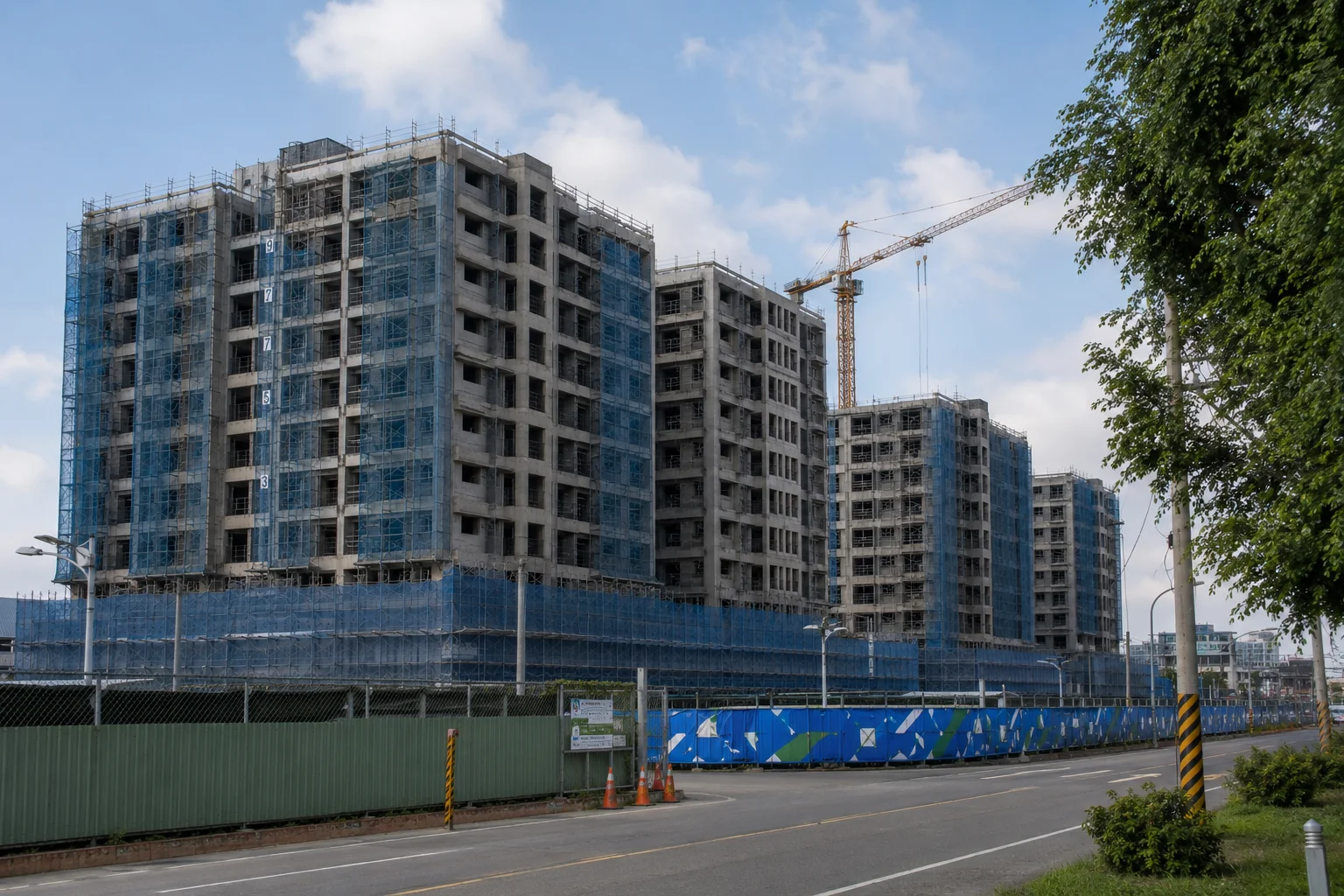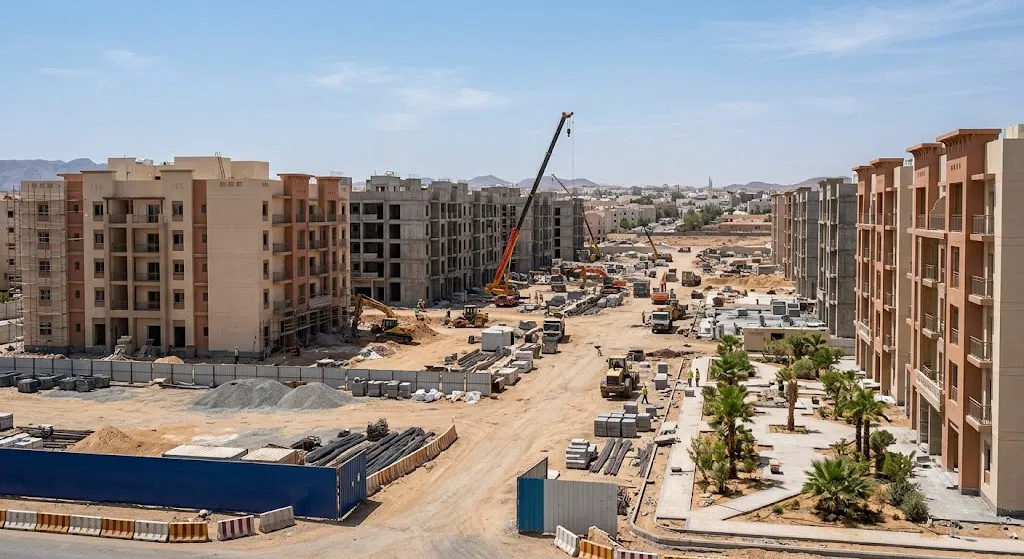
SAUDI ARABIA —Knowledge Economic City has signed a memorandum of understanding with Dar Almajed Real Estate Company and Capital Hill Company to framework a major residential and commercial development adjacent to the Multaqa AlMadinah project in Madinah. Under the contemplated structure, project ownership and capitalization will be channeled through a closed-ended real estate investment fund regulated by capital market authorities. Knowledge Economic City will inject the project land valued at approximately SAR 875.4 million, receiving SAR 89 million in cash settlement alongside fund units valued at SAR 786.4 million. Dar Almajed Real Estate Company commits approximately SAR 200.7 million in total participation, inclusive of the land cash tranche, while acting as development manager. Capital Hill Company is slated to organize and operate the vehicle as fund manager during a 90-day exclusivity window dedicated to due diligence and definitive documentation. The asset program integrates build-to-sell residential inventory with ground-floor commercial spaces retained for operational stabilization prior to exit disposition.
This transaction shifts capital deployment models for large-scale urban master developments in Saudi Arabia by monetizing land assets through dedicated private investment vehicles rather than traditional balance-sheet construction financing. Valuing the land baseline at SAR 875.4 million against an underlying historical cost basis of SAR 103 million highlights significant embedded asset appreciation within master-planned economic zones. Structuring the commercial footprint for yield stabilization prior to monetization introduces a hybrid income-plus-sales return profile, mitigating immediate cyclical absorption risks common in regional housing rollouts.
Real estate developers, regional master planners, and capital market fund managers face accelerated shifts toward off-balance-sheet Special Purpose Vehicles and REIT-driven monetization frameworks. Regulatory oversight from capital market authorities governs the formation, unit allocation, and valuation fairness of in-kind land contributions. Construction and engineering supply chains in the Madinah urban corridor anticipate steady medium-term tendering activity tied to build-to-sell housing delivery schedules.
Institutional real estate investors gain structured exposure to prime religious-tourism adjacent urban land parcels with defined liquidity exit paths post-stabilization. Developers can recycle capital more rapidly by converting land reserves into fee-generating development management mandates and minority co-investment stakes. Execution risk centers on regulatory sign-off for the closed-ended vehicle structure, finalized engineering cost baselines, and post-stabilization commercial asset disposition pricing.