KYRGYZ REPUBLIC —The Ministry of Finance of the Kyrgyz Republic and the World Bank signed a credit agreement on November 20, 2026, in Bishkek providing $95.75 million through the International Development Association (IDA) for Kyrgyzstan's National Irrigation Investment Program. The financing forms part of a broader $193 million funding structure that brings together co-financing from the Asian Infrastructure Investment Bank (AIIB), the OPEC Fund for International Development, and the Swiss Agency for Development and Cooperation (SDC), alongside private capital contributions. The World Bank's International Development Association (IDA) provides concessional loans and grants to low-income developing countries to fund infrastructure, institutional reforms, and poverty reduction initiatives.
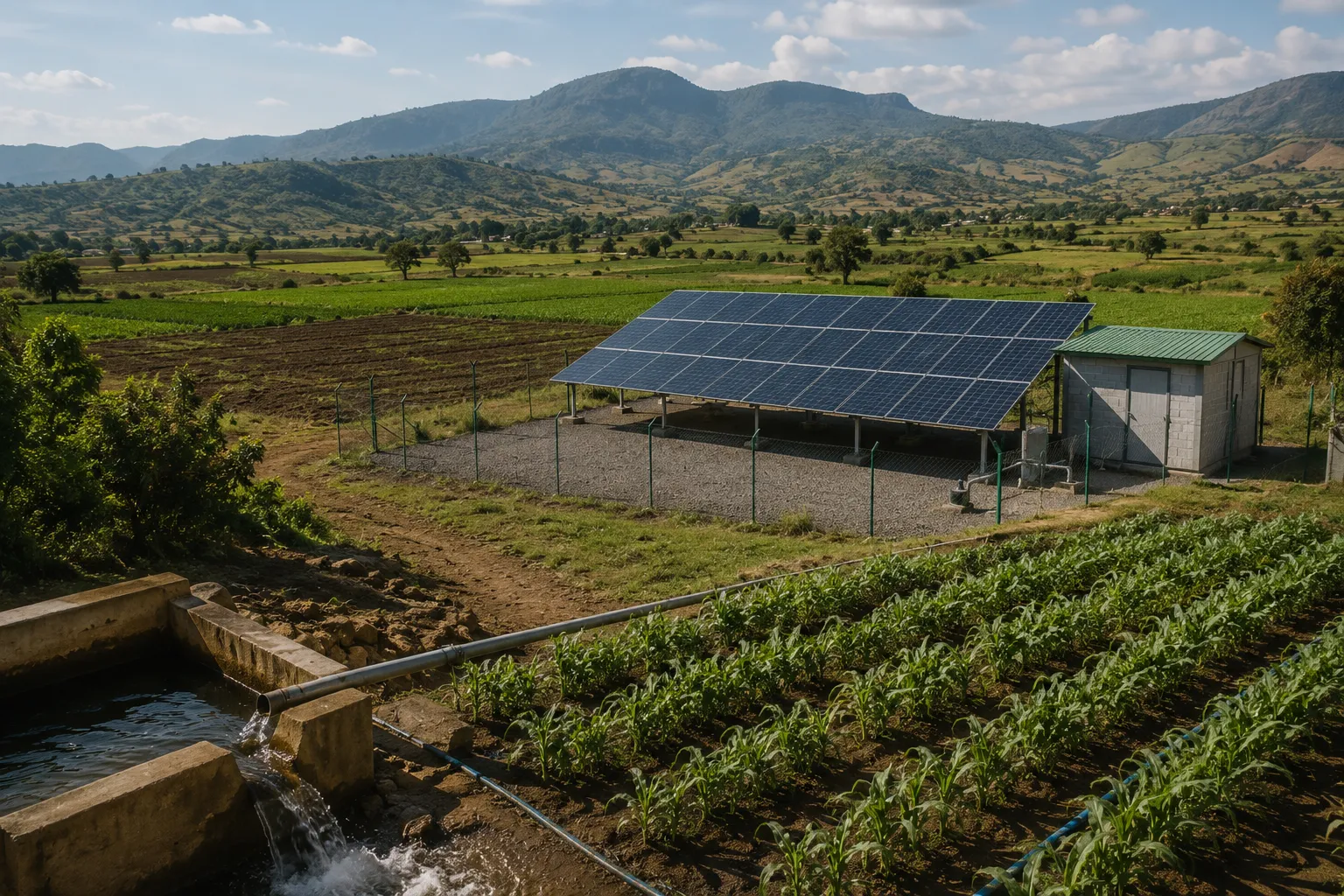
Aging water distribution networks across Central Asia frequently suffer from seepage and uneven allocation, constraining crop yields and exposing rural livelihoods to seasonal drought and glacial melt variability. By upgrading irrigation assets across all seven regions of Kyrgyzstan, the program targets roughly 82,000 hectares of agricultural land and is projected to directly benefit at least 454,000 residents. Stronger water management is intended to stabilize farm output, reinforce domestic food security, and curb climate-related agricultural shocks.
For agriculture and water infrastructure stakeholders, the initiative signals a coordinated push toward higher water-use efficiency and climate adaptation in farm operations. Improved irrigation reliability can support higher-value crop production, stabilize raw material supply for agribusiness and food processors, and align national water governance with climate resilience objectives. Blended financing from multilateral development institutions and bilateral agencies also highlights how sovereign water programs are pairing public concessional funds with commercial participation.
For engineering firms, equipment suppliers, and project financiers, the $193 million package points to multi-year capital spending on canal rehabilitation, water control systems, and related civil works across Kyrgyzstan. Contractors with capabilities in hydraulic engineering, smart water metering, and climate-resilient infrastructure stand to benefit from subsequent procurement and implementation phases. Institutional investors and commercial lenders may also watch how private capital is structured alongside multilateral co-financing in regional agribusiness and resource efficiency projects.