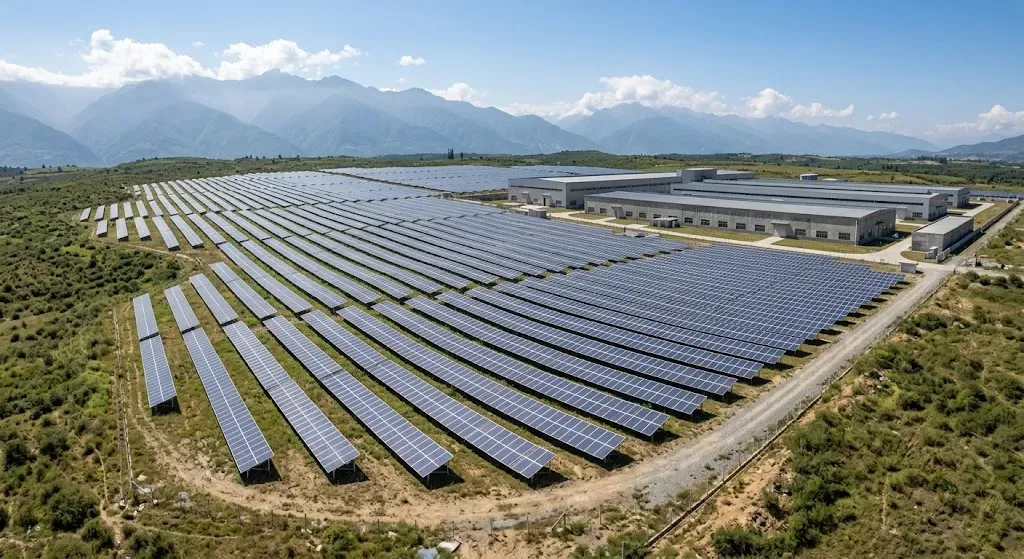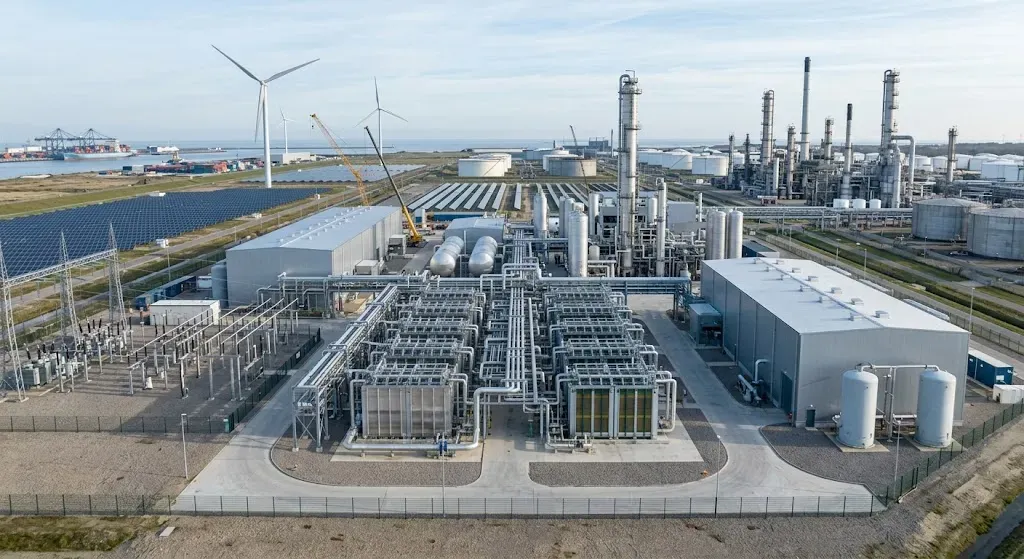
SINGAPORE —Lake Energy, a Singapore-based investment platform focused on renewable energy infrastructure, has introduced new projects targeting an 11 percent annualized return. The company operates across solar, wind, hydropower, and energy storage sectors, managing assets from initial development through to operation and electricity sales. These new initiatives are designed to provide individual investors with direct exposure to clean energy projects without requiring them to manage the operational complexities of power generation facilities.
This development is significant because it democratizes access to capital-intensive clean energy infrastructure, effectively bridging the gap between retail capital and large-scale energy transition projects. As global electricity consumption accelerates, traditional institutional funding alone is insufficient to meet the massive capital expenditure requirements. By lowering the barriers to entry, the platform channels diverse capital pools into critical physical infrastructure, supporting the broader decarbonization agenda while offering investors a hedge against inflation through tangible asset backing.
The broader energy and financial sectors are experiencing a structural convergence, where physical infrastructure is increasingly treated as a core institutional asset class. With global clean energy investment projected to reach 2,200 billion dollars in 2026, and electricity demand anticipated to grow at 3.6 percent annually through 2030, the modernization of power grids and deployment of storage solutions are paramount. Regulatory frameworks worldwide are progressively favoring decentralized energy models, creating a favorable environment for platforms that aggregate retail capital to fund compliant, utility-scale renewable developments.
For Lake Energy, this strategic positioning establishes the firm as a vital intermediary in the democratization of energy finance. By offering targeted double-digit returns, the platform attracts yield-seeking capital in a macroeconomic environment characterized by fluctuating fixed-income yields. Investors gain exposure to resilient, long-term cash flows underpinned by secular growth drivers, including artificial intelligence data center expansion and electric vehicle adoption. Consequently, the company can scale its assets under management and diversify its project pipeline while mitigating direct development risks through a distributed investment model.