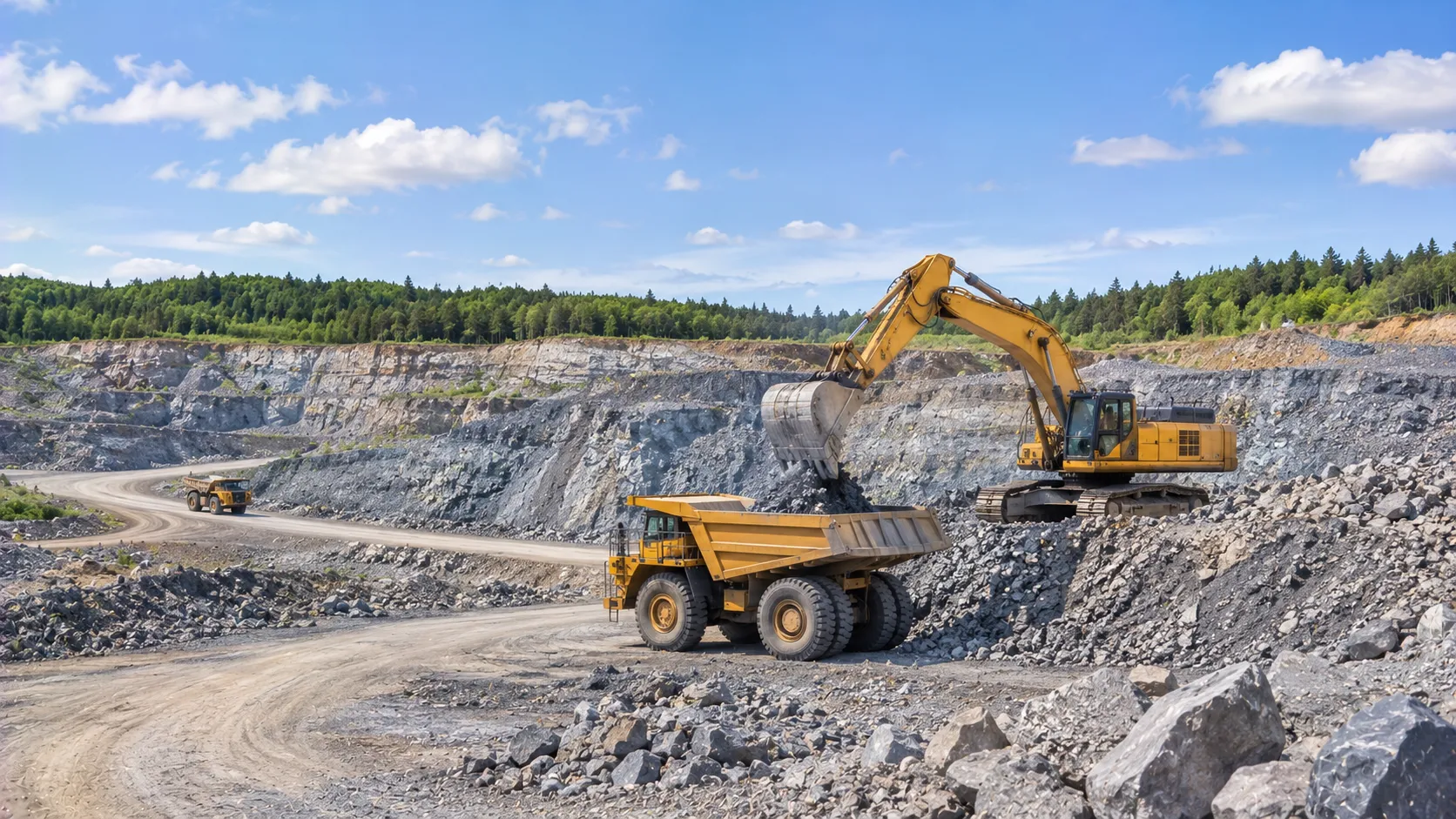
COTE DIVOIRE (IVORY COAST) —Financing of EUR 20 million has received board approval from the African Development Bank Group (AfDB) to support Ciments écologiques de Côte d’Ivoire in establishing a lower-emission cement complex at Attingué, located north of Abidjan. The planned industrial site integrates a calcined-clay facility rated at approximately 350,000 tonnes per year alongside a cement grinding operation capable of producing up to 500,000 tonnes annually. By blending local clay and limestone to manufacture limestone calcined clay cement, the venture lowers the clinker ratio required in conventional cement formulation.
This shift directly addresses structural supply bottlenecks in Côte d’Ivoire’s construction sector, where domestic cement production has heavily depended on imported clinker. Utilizing indigenous clay reserves retains more economic value within the country, shortens supply chains exposed to external disruptions, and builds specialized technical capabilities among local operators. Meeting rising domestic demand from residential housing, commercial real estate, and public infrastructure without scaling up high-emission clinker imports alters the cost and resilience profile of building materials across the market.
For regional construction, building materials, and industrial policy, the project illustrates a commercial pathway for scaling lower-carbon cement formulations in West Africa. By substituting a share of clinker with calcined clay and limestone, producers can moderate exposure to imported clinker price swings and freight volatility while aligning industrial output with national manufacturing priorities and the financing institution’s 2024-2033 strategic emphasis on green industrialization and private-sector participation.
For corporate sponsors, lenders, and infrastructure investors, the transaction highlights growing institutional appetite for localized, lower-carbon industrial inputs in high-growth African construction markets. Companies that secure domestic mineral feedstocks and deploy blended cement technologies may gain competitive insulation against imported clinker supply risks and tightening environmental expectations. Founded in Côte d’Ivoire in 1979, YESHI Group is a diversified industrial enterprise operating across multiple African markets, including Côte d’Ivoire, Cameroon, Senegal, Gabon, Morocco, the Central African Republic, and the Republic of Congo.