INDIA —Mass transit infrastructure across northern Mumbai's metropolitan periphery is poised for major expansion following state regulatory clearance for a high-capacity transit corridor. The Maharashtra Cabinet Infrastructure Committee has approved the execution of the Metro Line 13 project, representing an estimated capital outlay of ₹177.25 billion. The infrastructure initiative will be implemented by the Mumbai Metropolitan Region Development Authority (MMRDA), the apex state government agency responsible for regional planning, transport coordination, and large-scale civil infrastructure delivery across the Mumbai Metropolitan Region.
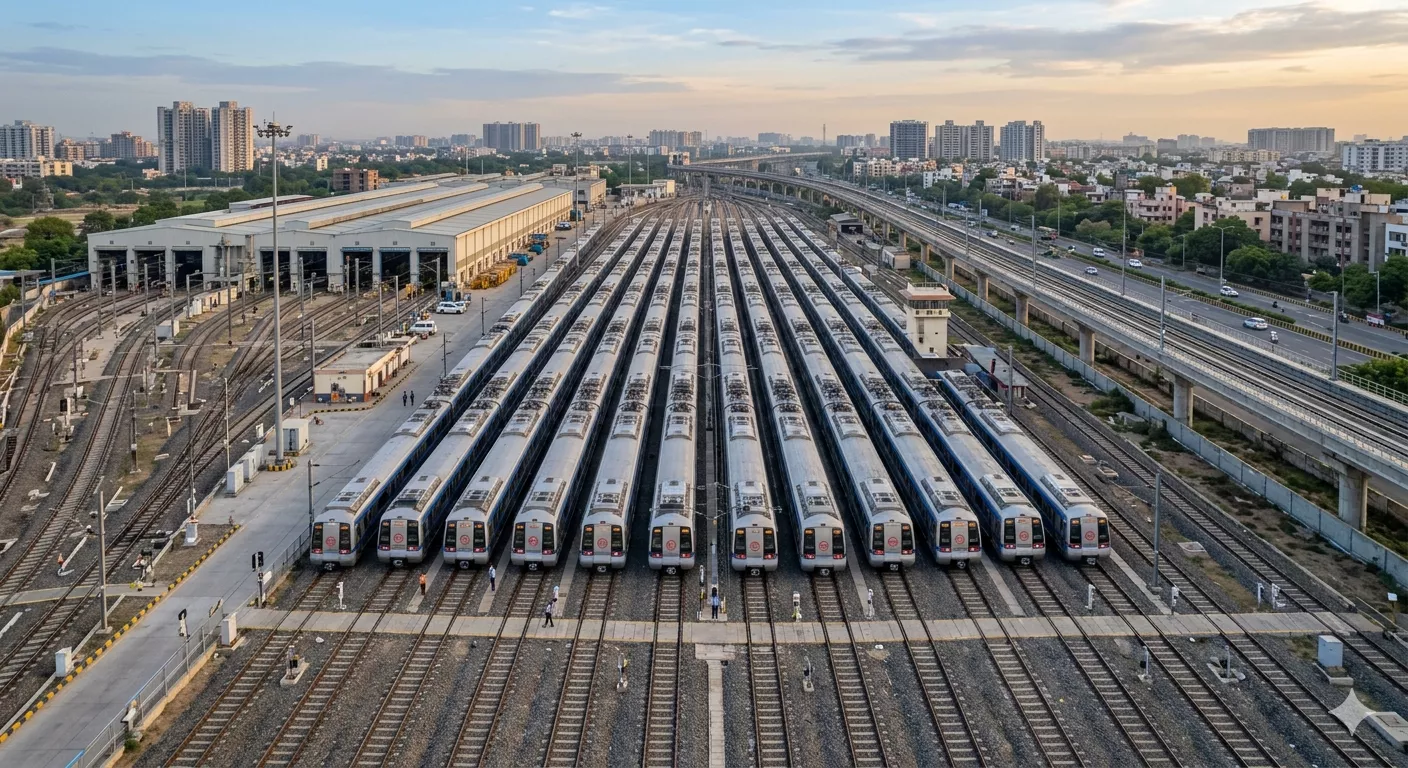
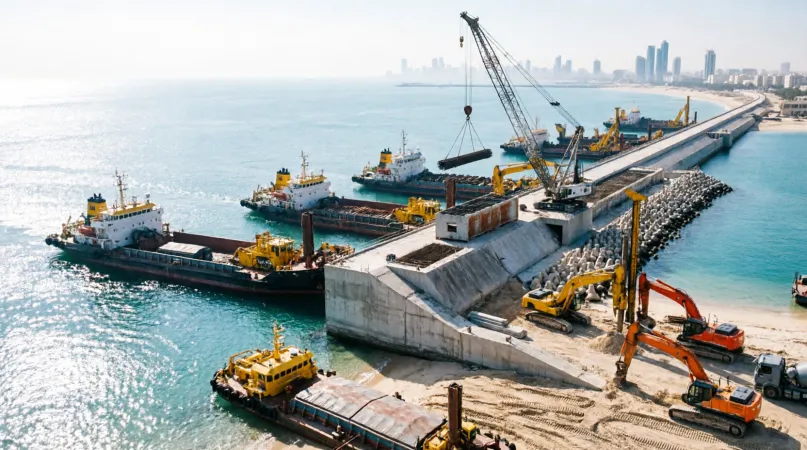
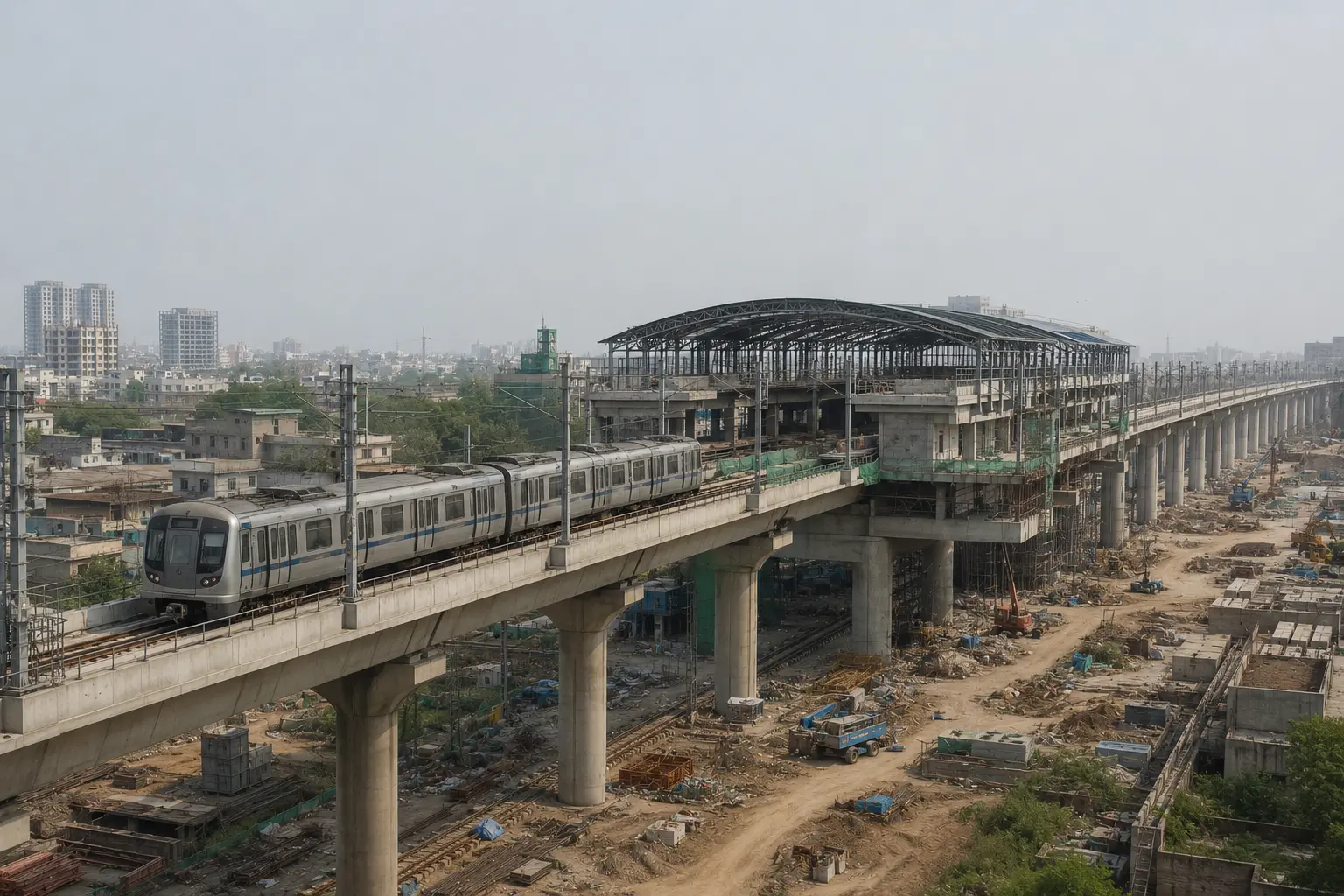
The approved transit route encompasses a 25.03-kilometer alignment traversing the Thane and Palghar administrative districts, comprising 21.78 kilometers of elevated viaducts and 3.25 kilometers of subterranean sections. The system will feature 16 passenger stations, consisting of 13 elevated and three underground facilities, supported by a central maintenance and operational depot at Chikhal Dongri. A primary engineering feature of the corridor is a proposed 4.92-kilometer integrated six-lane highway and rail bridge spanning Vasai Creek, which will establish a direct crossing between Mira-Bhayandar and the Vasai-Virar urban belt, eliminating an existing 32-kilometer road detour.
The development addresses acute transit bottlenecks between northern suburban growth clusters and the wider metropolitan area. By linking Mira Road, Vasai, Naigaon, Nalasopara, and Virar directly, the line provides multimodal interchange nodes with suburban railway stations at Naigaon, Nalasopara, and Virar, as well as a network transfer to Metro Line 9 at Netaji Subhash Chandra Bose Stadium. Supported by synchronized municipal bus feeder systems across all stations, the integrated network is projected to reduce commuter transit durations by approximately 50% compared to prevailing road travel.
From an urban planning and transport policy perspective, establishing direct transit infrastructure across natural water barriers fundamentally shifts spatial connectivity within high-growth peripheral districts. Co-locating elevated metro tracks with a multi-lane vehicular bridge optimizes capital allocation and right-of-way efficiency, reducing structural congestion on parallel arterial highways while lowering private vehicle dependence and vehicular emissions.
For civil engineering contractors, rolling stock manufacturers, and institutional investors, the sanctioning of Metro Line 13 unlocks substantial procurement pipelines across complex marine bridge construction, underground tunneling, and automated rail systems. Furthermore, improved transit connectivity is anticipated to accelerate commercial and residential real estate development across Palghar district, expanding housing catchments and supporting the decentralization of economic activity across the region.