INDIA —A major state administration in western India has authorized a comprehensive ₹42.5 billion public health modernization program spanning from 2026 through 2031. The structural model relies heavily on external development financing, with the Asian Development Bank (ADB) providing ₹29.75 billion via a credit facility, while domestic public funds supply the remaining ₹12.75 billion portion. The Public Health and Family Welfare Department of Maharashtra serves as the primary executive agency responsible for state-level medical administration, preventative care implementation, and public hospital oversight.
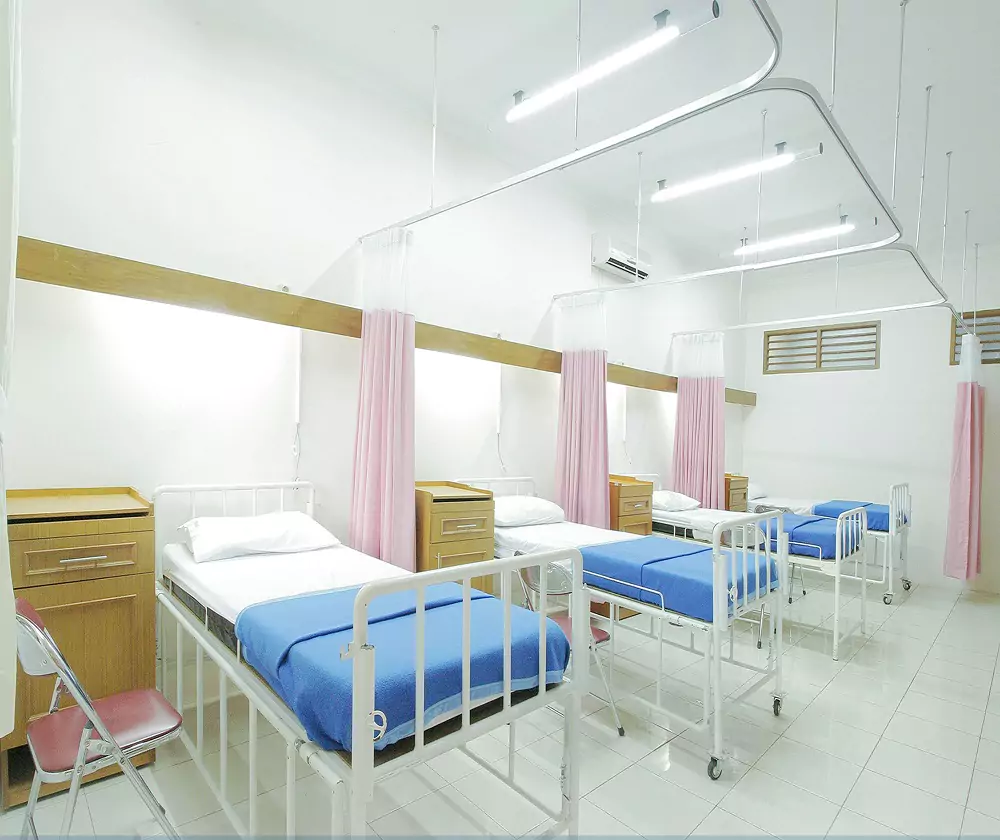
Capital allocations within the initiative prioritize a ₹15 billion civil infrastructure rollout to integrate 1,600 new inpatient beds across target regions. Plans entail constructing new 500-bed facilities in Kolhapur and Nanded, erecting a 200-bed referral hospital in Pune, and expanding existing facilities in Latur and Nagpur by 200 beds each. Concurrently, a state-managed technology mission will deploy unified digital health registries and telemedicine tools to build continuous clinical record systems across district and tertiary facilities.
This systemic shift reallocates state resources toward managing non-communicable diseases, expanding diagnostic protocols for oncology, cardiovascular ailments, and chronic respiratory disorders. By establishing early detection pipelines at regional centers, the framework aims to lower high out-of-pocket medical expenditures for households while rebalancing patient flow away from overburdened urban tertiary centers toward upgraded peripheral institutions.
For commercial stakeholders, the institutional commitment creates immediate opportunities in hospital construction, medical equipment supply, and enterprise health software implementation. Technology providers stand to benefit from public contracts covering data infrastructure and telehealth delivery systems. Furthermore, expanded screening regimes will likely accelerate long-term demand for pharmaceutical supplies and diagnostic technology across regional healthcare supply chains.