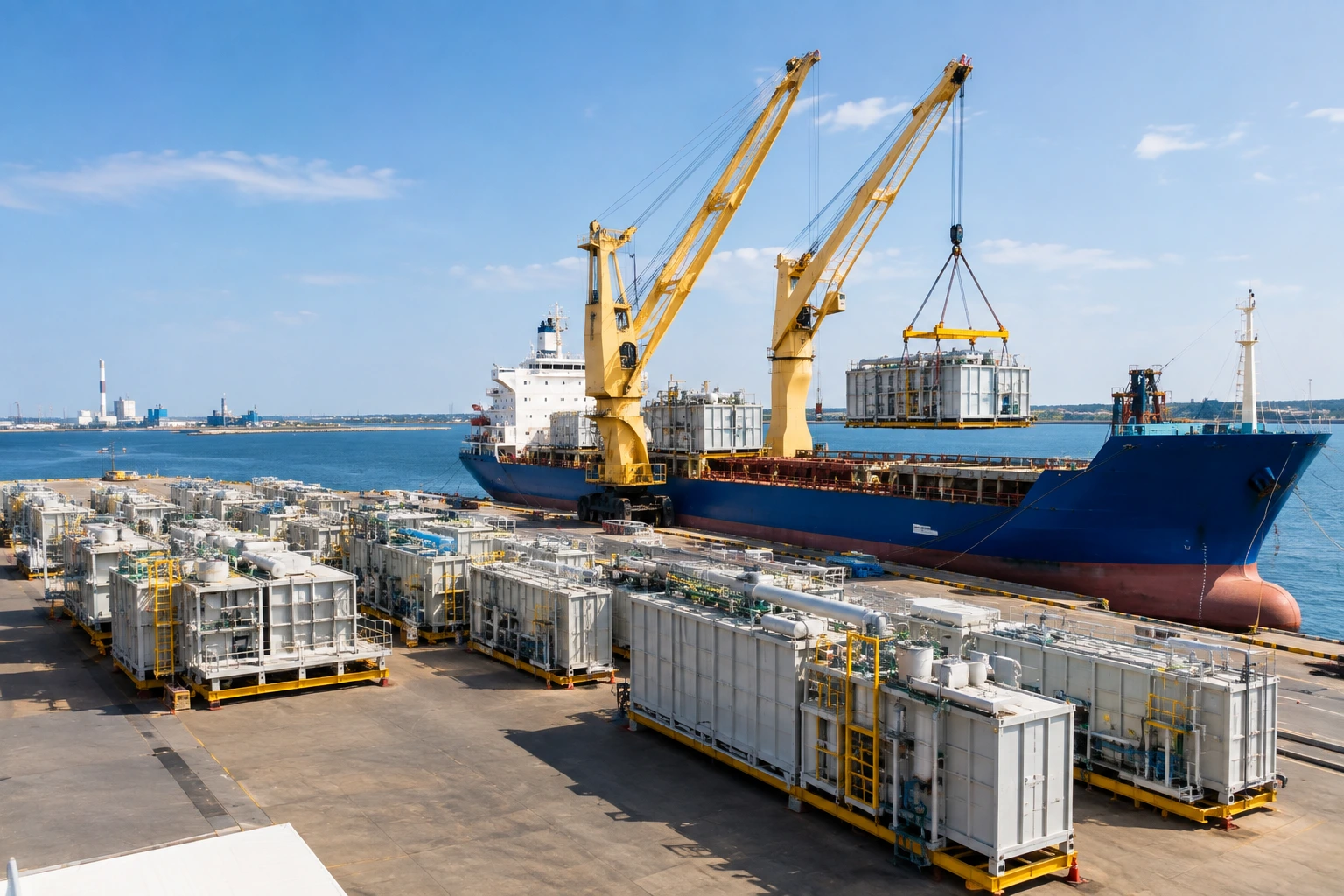
INDIA —Off-site engineering strategies are increasingly restructuring global infrastructure delivery, highlighted by the recent completion of a major modular shipment from India to Western Australia. The shipment comprises 110 pre-assembled units and structural racks weighing roughly 64,000 metric tonnes, designated for Project CERES in Karratha. Developed by Perdaman Chemicals & Fertilisers under a Saipem-Clough joint venture, the facility is set to become Australia's largest urea manufacturing plant with an annual capacity of 2.3 million metric tonnes.
Larsen & Toubro is an Indian multinational conglomerate valued at thirty-two billion dollars that operates across engineering, construction, high-tech manufacturing, and technology services. The company executed the fabrication, assembly, equipment integration, and pre-commissioning at its Kattupalli facility near Chennai, with critical components manufactured in Hazira, Gujarat. The entire consignment was transported across twenty-three marine shipments to Western Australia, adhering strictly to regional biosecurity guidelines and hazardous area electrical standards.
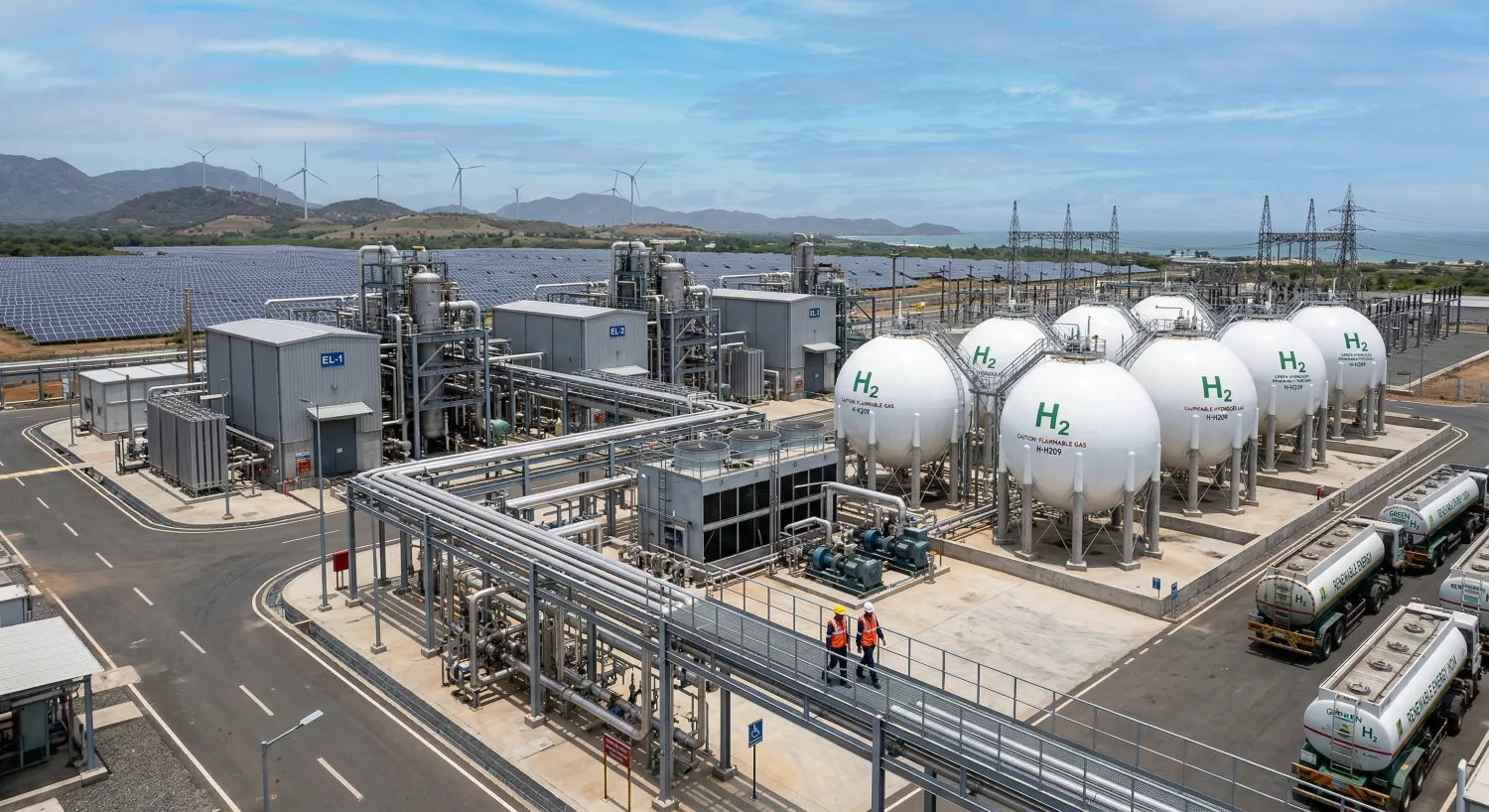
Shifting core construction activities to specialized off-site yards addresses persistent challenges facing remote energy and chemical developments. By executing fabrication and testing within controlled environments, project developers mitigate local labor shortages, reduce site-level schedule risks, improve safety oversight, and manage environmental constraints in sensitive operating regions. This approach provides a repeatable framework for energy, petrochemical, and low-carbon fuel projects worldwide.
The execution highlights the expanding role of South Asian engineering hubs in delivering complex, high-value industrial solutions for international markets. For investors and energy developers, the success of large-scale modular exports underscores a shift toward integrated global supply chains, where off-site pre-commissioning serves as a vital tool to manage capital expenditure and operational risk in capital-intensive developments.