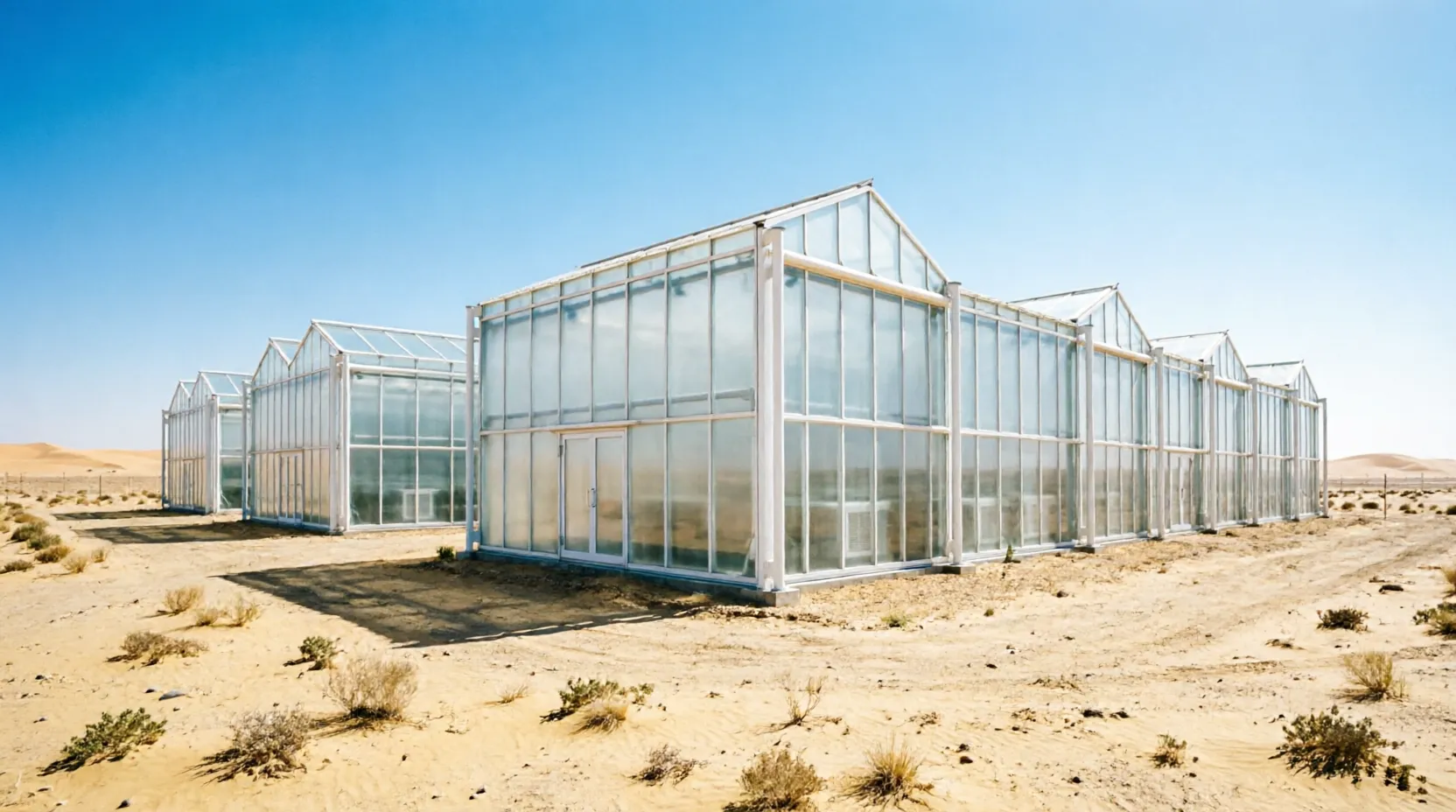
SAUDI ARABIA —Saudi Arabia’s National Agricultural Development Company (NADEC) has executed a binding asset purchase agreement to acquire a high-tech controlled-environment agriculture facility from Pure Harvest Smart Agricultural Farms SP LLC for SAR 85 million. The transaction, funded via existing internal reserves and commercial loan facilities, covers a six-hectare hydroponic greenhouse site located within NADEC’s existing operational footprint in Haradh. Transfer of full operational control and physical assets is targeted for completion during the fourth quarter of 2026, pending standard regulatory clearances and the formal termination of existing off-take, utility, land lease, and service framework agreements between the two entities.
NADEC is one of the largest vertically integrated agricultural and food processing corporations in the Middle East and North Africa. Established in 1981 by royal decree, the joint-stock enterprise plays a foundational role in Saudi Arabia’s food supply chain, specializing in large-scale dairy production, crop farming, and processed food distribution across regional markets.
Bringing the climate-controlled facility under direct corporate management shifts NADEC’s operational strategy from an infrastructure landlord and off-taker model to direct asset ownership. The high-tech facility, operational since 2022, utilizes advanced hydroponic systems and climate regulation mechanisms to produce multiple tomato varieties year-round. Taking direct charge of operations allows the firm to optimize yield efficiencies, eliminate intermediary contract costs, and integrate high-tech fresh produce cultivation directly into its established distribution network.
This asset acquisition underscores the accelerating adoption of controlled-environment agriculture technology within the Arid Gulf region. High-tech farming infrastructure serves as a strategic imperative for GCC nations seeking to reduce reliance on fresh produce imports while conserving critical groundwater resources. By bringing specialized hydroponic assets in-house, large agribusiness entities demonstrate the commercial viability and long-term capital integration of climate-smart farming methodologies within conventional food production pipelines.
For corporate stakeholders and industry investors, the transaction signals a broader consolidation trend within the regional AgTech ecosystem. Early-stage farm developers and tech specialists are increasingly monetizing operational assets by transferring them to capital-rich, established agricultural incumbents. This structural alignment allows legacy food producers to rapidly acquire scalable, high-efficiency production technology while offering AgTech developers clean capital exits and asset-light balance sheet flexibility.