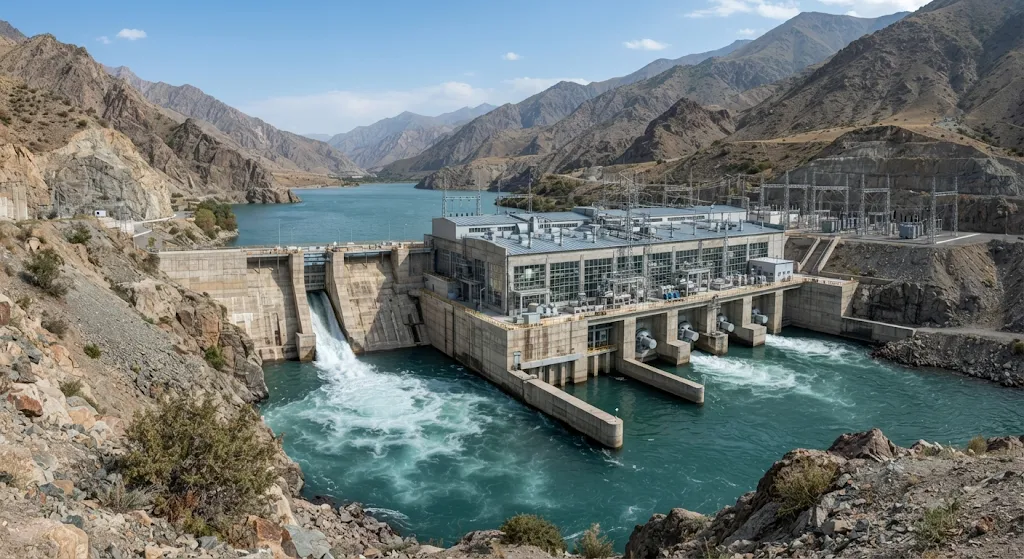
KYRGYZ REPUBLIC —Kyrgyzstan's power sector reached an operational milestone with the commissioning of the final modernized turbine unit at the Uch-Kurgan Hydropower Plant in the Jalal-Abad region, raising total installed capacity from 180 MW to 216 MW. Following the upgrade of two generating units during 2026, the facility has completed a comprehensive refurbishment across all four units for the first time since entering service between 1961 and 1962.
Electric Stations operates power generation assets across Kyrgyzstan and manages key hydroelectric stations along the Naryn River system. Backed by financing from the Asian Development Bank (ADB) and the Eurasian Development Bank (EDB) alongside domestic state co-financing, the utility executed the rehabilitation program to extend asset life and stabilize supply. The Asian Development Bank (ADB) and the Eurasian Development Bank (EDB) are multilateral development institutions that finance infrastructure, energy, and regional connectivity initiatives across Asia and Eurasia.
Positioned at the downstream end of the Naryn River cascade, the plant plays a vital role in water regulation and baseload electricity output following earlier rehabilitation work upstream, including upgrades at the Toktogul facility. Adding 36 MW of dispatchable capacity strengthens winter grid resilience as seasonal heating demand rises across Kyrgyzstan during the 2026-2027 period and reduces vulnerability to recurring cold-weather power constraints.
The completion underscores the policy priority placed on modernizing aging Soviet-era hydroelectric infrastructure rather than relying solely on new greenfield construction. Utilities, grid operators, engineering contractors, and equipment suppliers stand to see sustained demand as legacy generation assets across Central Asia undergo life-extension programs to improve reliability and efficiency.
For institutional lenders, development finance institutions, and energy investors, the project demonstrates how blended multilateral capital and sovereign co-financing can rehabilitate mature hydroelectric assets while advancing domestic energy security. Future opportunities center on grid integration, downstream water management coordination, and follow-on refurbishment packages across regional power networks.