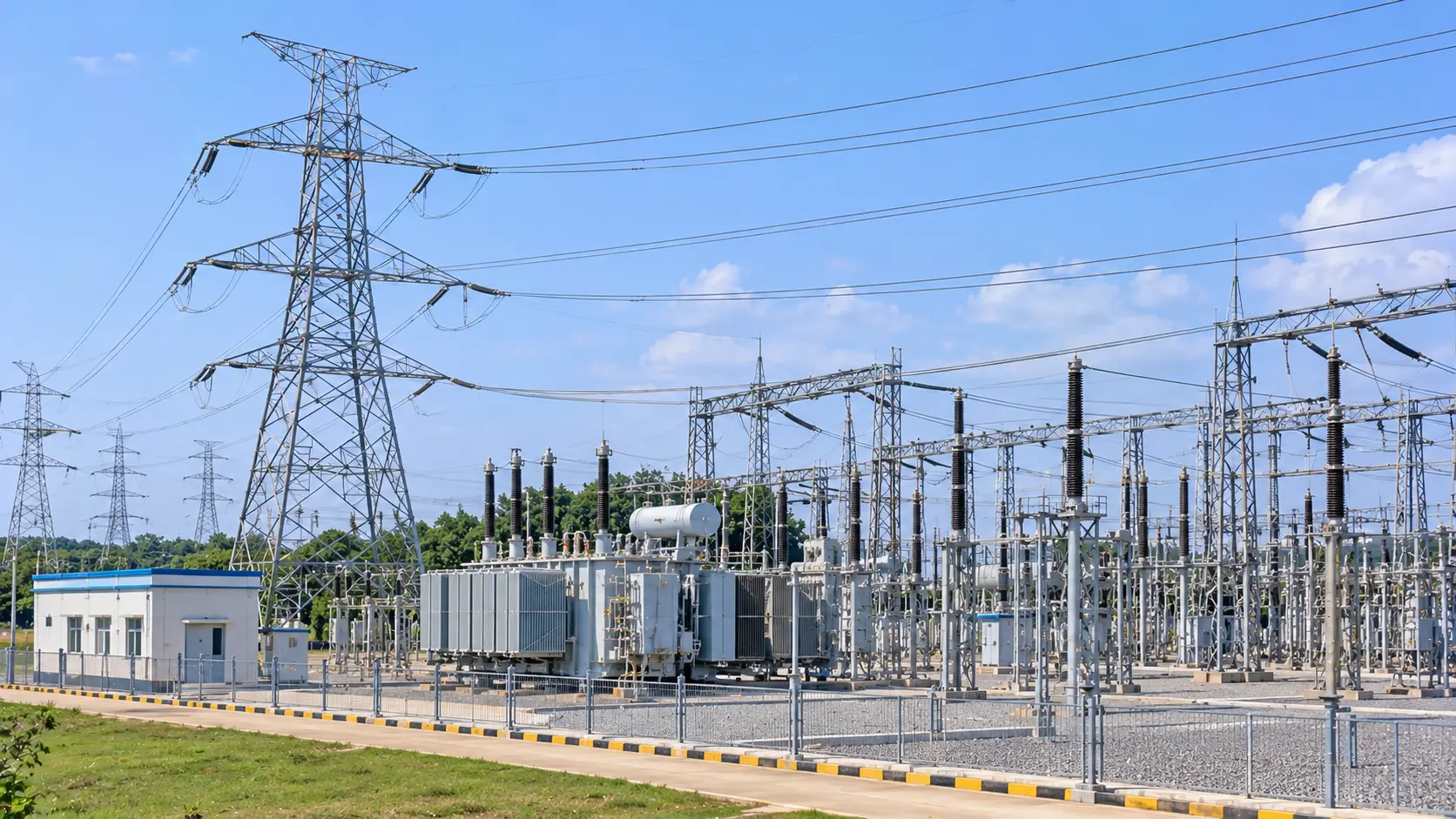
AUSTRALIA —The New South Wales (NSW) Government has formally awarded Transgrid the delivery contract for the 110-kilometer, 500-kilovolt Hunter Transmission Project, advancing a critical pillar of the state's high-voltage electricity grid modernization. Concluded following a competitive procurement process overseen by the Australian Energy Regulator (AER) and preceded by state planning approval in July 2026 under 115 environmental and community conditions, the award coincides with the appointment of design and construct contractors to transition the corridor rapidly into execution.
The New South Wales (NSW) Government is the state executive authority governing energy transition policy, land use planning, and public infrastructure delivery across New South Wales, Australia, operating alongside statutory body EnergyCo. Transgrid is the high-voltage electricity transmission network operator managing the bulk power grid across New South Wales and the Australian Capital Territory. The Australian Energy Regulator (AER) is the independent national regulatory authority overseeing wholesale electricity and gas markets as well as energy network infrastructure across eastern and southern Australia.
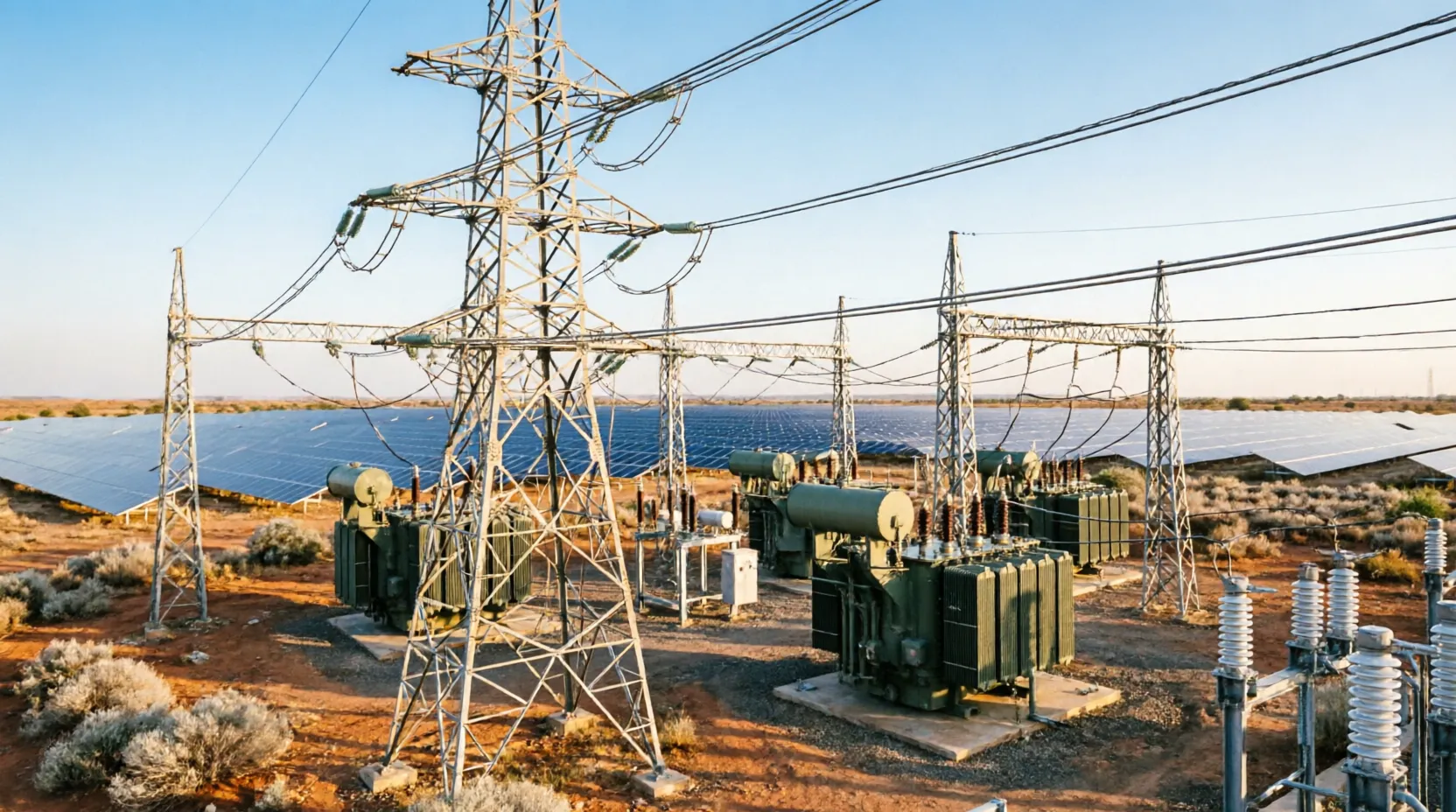
Engineered to complete a high-capacity 500-kilovolt transmission ring, the line will evacuate renewable electricity and storage output from the Central-West Orana and New England Renewable Energy Zones to residential, commercial, and industrial load centers as legacy coal-fired generators retire. Route optimization places roughly 90% of the alignment across existing mining, energy, and government-owned land, reducing affected private properties from 70 in preliminary designs to fewer than 20. Construction is projected to generate 900 jobs, building on nearly 700 specialist trade personnel already active within the Hunter-Central Coast Renewable Energy Zone.
Expanding high-voltage transmission capacity directly mitigates grid congestion and accelerates coal-to-clean power replacement across Australia's largest state economy. For electrical engineering contractors, high-voltage equipment suppliers, renewable energy developers, and infrastructure investors, advancing major transmission rings de-risks renewable generation connection queues and anchors multi-year regional capital deployment across the Hunter corridor.