OMAN —Oman’s non-oil economic diversification strategy has gained significant industrial momentum following the formalisation of an agreement exceeding OMR 51 million to construct a large-scale whiteleg shrimp farming facility in the Wilayat of Mahout, located within the Al Wusta Governorate. The initiative brings together the Ministry of Agriculture, Fisheries and Water Resources and Mukka Proteins, operating alongside its subsidiary Mukka Sea Food Industries, to establish commercial aquaculture production capacity targeting 30,000 tonnes per year. The contract was executed by Dr. Saud bin Hamoud Al Habsi, Minister of Agriculture, Fisheries and Water Resources, and Mohammed Haris Kalandan, Chief Executive Officer of Mukka Proteins.
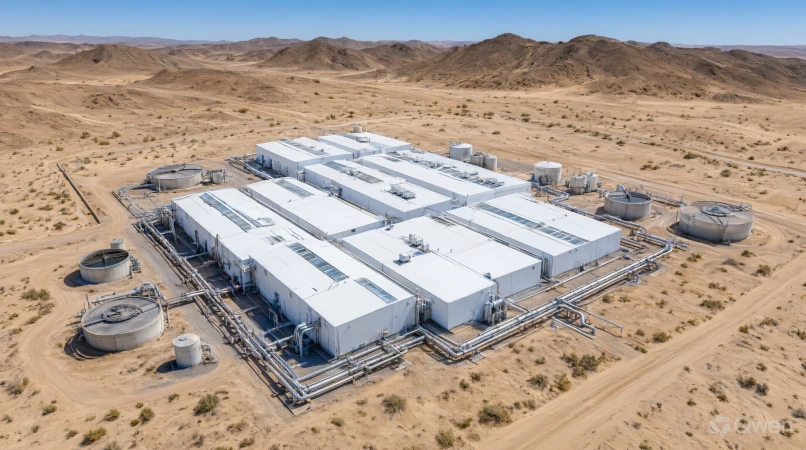
This capital deployment addresses two structural priorities for the Sultanate: reducing reliance on wild-capture fisheries and enhancing national food security through controlled, high-yield production. By integrating Recirculating Aquaculture System (RAS) technology, the facility will operate within a closed-loop environment that filters and reuses water, minimising ecological disruption to coastal ecosystems while maintaining strict biosecurity standards. For Mukka Proteins, an established marine protein and seafood processing enterprise supplying global aquafeed and nutrition markets, the venture represents a strategic upstream expansion into intensive shrimp cultivation within the Gulf Cooperation Council (GCC) region. Meanwhile, the Ministry of Agriculture, Fisheries and Water Resources serves as the primary state body overseeing Oman’s agricultural output, water resource management, and fisheries development frameworks.
At the policy and sector levels, the Mahout project establishes a technical benchmark for sustainable marine industrialisation across Oman’s coastal governorates. Traditional marine harvesting faces natural stock limitations, prompting regulators to incentivise land-based, high-density aquaculture infrastructure capable of year-round output. Developing a 30,000-tonne annual capacity in Al Wusta a region designated as a central hub for industrial and logistics growth-creates immediate downstream demand for specialised aquafeed, cold-chain logistics, processing facilities, and technical workforce training. Furthermore, producing value-added marine commodities aligns directly with national trade policies aimed at expanding non-hydrocarbon export revenues across regional and international markets.
For institutional investors, agribusiness operators, and supply chain stakeholders, the agreement signals strong sovereign commitment to de-risking capital-intensive food technology projects through public-private collaboration. The adoption of RAS infrastructure demonstrates commercial viability for controlled-environment aquaculture in arid coastal zones, potentially unlocking further foreign direct investment in ancillary sectors such as Hatchery operations, water treatment engineering, and export-grade seafood packaging. As global demand for traceable, sustainably farmed shrimp continues to expand, Oman’s positioning as a regional aquaculture hub offers long-term off-take opportunities for international distributors and strategic partners seeking resilient supply chains in the Middle East.