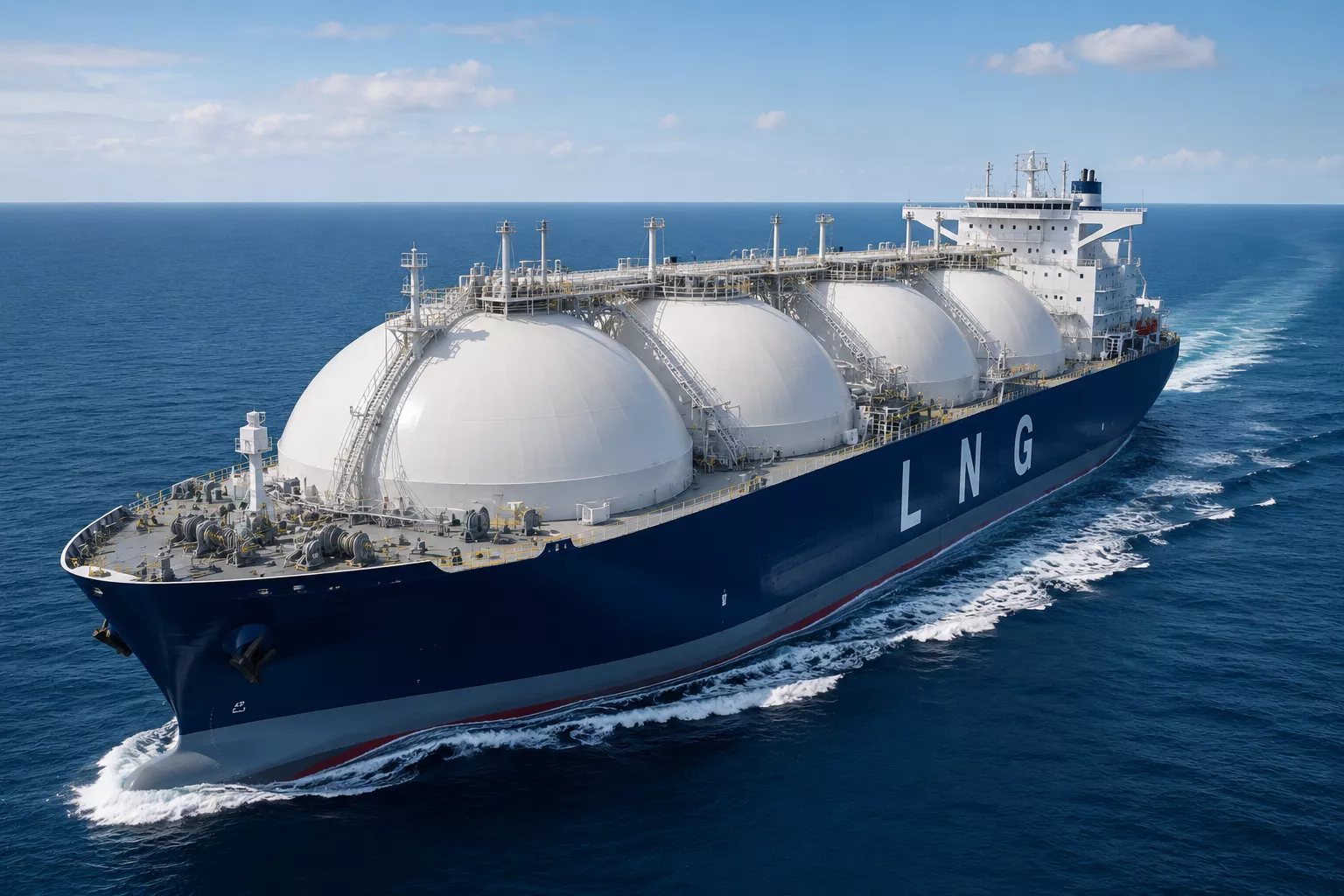
AUSTRALIA —Osaka Gas Co., Ltd. has moved to expand its upstream energy portfolio by entering a definitive sales and purchase agreement through its corporate vehicle, Osaka Gas Browse Pty Ltd. The transaction involves obtaining a 5% working interest in the multi-field Browse Project situated off the coast of Western Australia from BP Developments Australia Pty Ltd. Finalization of this equity transfer remains contingent upon receiving standard regulatory clearances, securing clearances from participating joint venture stakeholders, and fulfilling customary closing prerequisites. Capital funding for the corporate vehicle is structured through joint backing from Osaka Gas Australia Pty Ltd and the Japan Organization for Metals and Energy Security. In parallel, corporate representatives are reviewing potential framework alignments under a specialized resource-securing policy introduced earlier in the year to reinforce long-term procurement channels for liquefied natural gas.
The transaction carries substantial strategic weight for cross-border resource procurement and long-term energy planning in resource-importing nations. By acquiring this specific equity share, the corporate entity anticipates securing approximately 0.55 million tonnes of liquefied natural gas annually once production reaches scale, alongside associated liquefied petroleum gas and domestic fuel volumes. This addition directly reinforces procurement stability for major utility providers while supporting bilateral energy reliability frameworks. Furthermore, integrating carbon capture and mitigation mechanisms into the asset design addresses escalating regulatory demands for lower carbon-intensity fuel sources, aligning upstream extraction activities with international climate transition targets.
Industrial participants across the energy, utility, and maritime logistics sectors will experience direct operational ramifications as the asset advances through its current front-end engineering and design phase. Operated by Woodside Energy on behalf of the broader joint venture consortium, the development leverages existing regional processing infrastructure in the Pilbara district to optimize capital expenditure and project economics. The initiative's official designation as a significant project by state authorities underscores its macroeconomic importance and potential to supply critical volumes to both export markets and domestic Australian consumers. Engineering, procurement, and construction contractors, marine transport providers, and environmental technology suppliers will encounter expanding commercial opportunities as the venture progresses toward final investment decisions.
For corporate strategists and institutional investors, this transaction highlights ongoing capital deployment trends toward lower-emission hydrocarbon assets and diversified upstream portfolios. The multi-decade operational history of the Japanese energy group in the Australian resource sector demonstrates a sustained commitment to securing stable upstream stakes amid evolving geopolitical and supply chain dynamics. Stakeholders must evaluate how integrating carbon capture solutions into large-scale offshore gas developments impacts long-term valuation models and compliance metrics. As project participants finalize engineering milestones, market observers will monitor regulatory approvals and financing structures as benchmarks for future cross-border energy investments in the Asia-Pacific region.