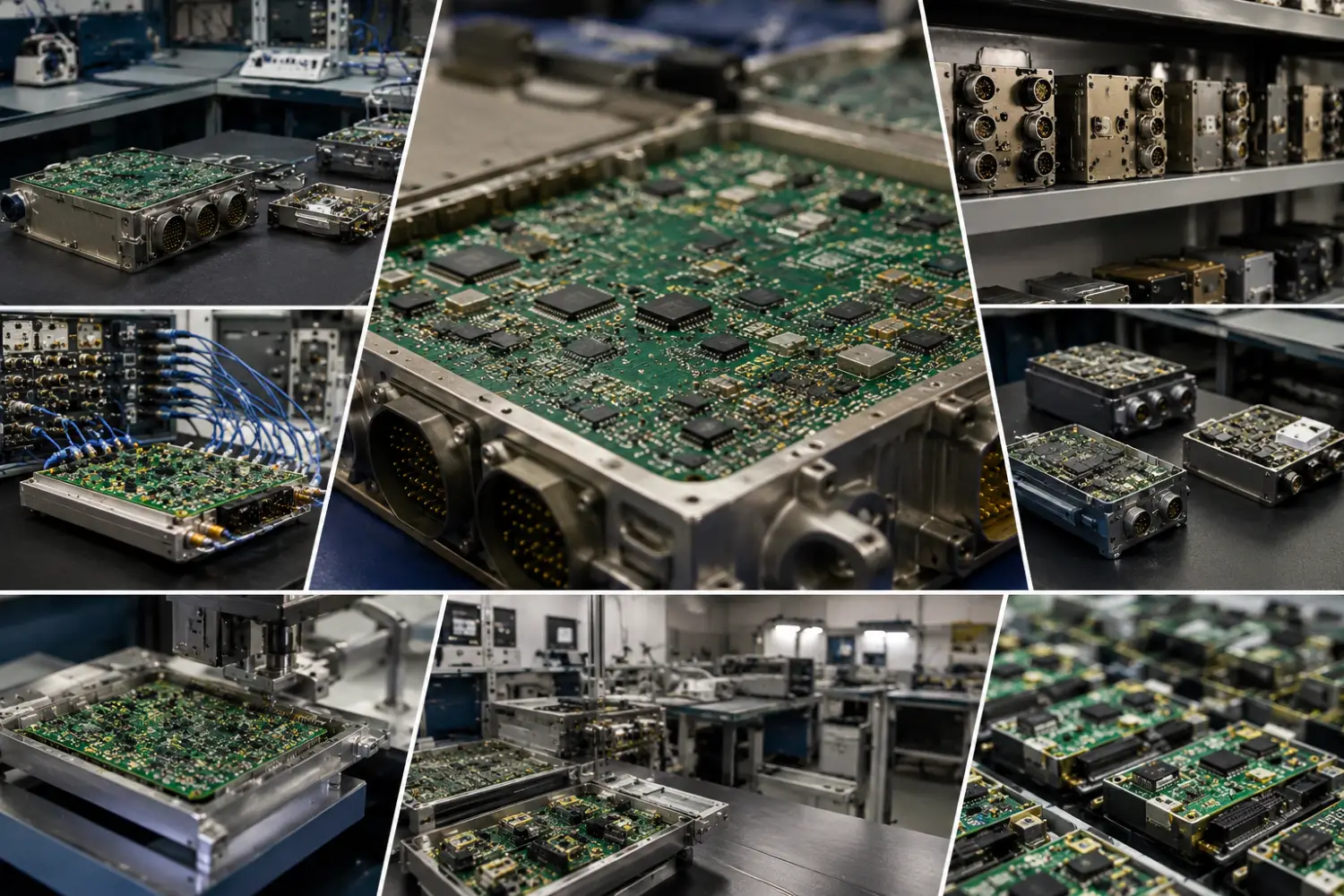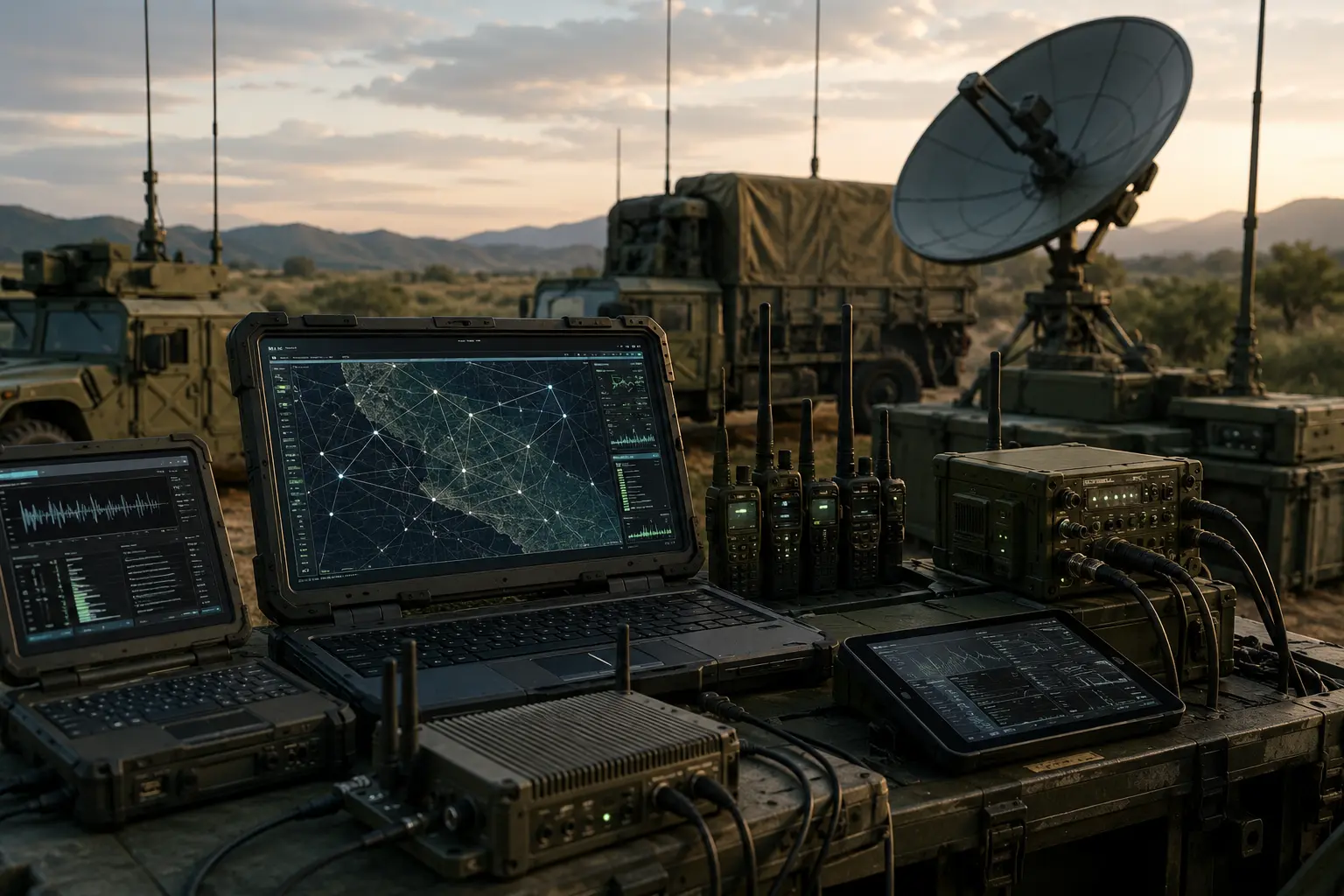
UNITED STATES OF AMERICA —Palantir Technologies has secured a prime agreement with the United States Army to manufacture and deploy eight Tactical Intelligence Targeting Access Node (TITAN) ground station systems. Palantir Technologies is a software company specializing in big data analytics and defense technology solutions. The organization will oversee the complete manufacturing process and provide the core software architecture for this initiative. The contract encompasses the delivery of four advanced and four basic variants of the artificial intelligence driven ground station platform. The advanced configuration offers enhanced processing and integration capacities, while the basic model is optimized for rapid deployment and mobility in dynamic operational environments.
This acquisition is strategically significant as it formalizes the transition of the military toward software-defined, artificially intelligent targeting infrastructure. By transitioning from competitive prototyping to full-scale production, the agreement validates the operational viability of commercial artificial intelligence applications in high-stakes defense scenarios. The systems are designed to synthesize data from space, aerial, and terrestrial sensors, thereby providing military commanders with actionable intelligence for long-range precision operations.
The policy and industry impact extends beyond the primary contractor, establishing a collaborative ecosystem of traditional and non-traditional defense suppliers. Palantir will integrate subsystems and technologies from a consortium of partners, including Anduril, Harris Technologies, Sierra Nevada, Strategic Technology, and World Wide. This multi-vendor approach reflects a deliberate procurement strategy by the Department of Defense to foster continuous innovation and mitigate supply chain vulnerabilities by leveraging diverse technological expertise.
For institutional investors and defense sector stakeholders, this contract award underscores the growing market share of software-centric platforms within military modernization budgets. The commitment to sustain existing prototype systems while scaling future production indicates a long-term revenue trajectory for the involved entities. Furthermore, it highlights an accelerating industry trend where agile technology firms are increasingly displacing legacy hardware manufacturers as the primary architects of next-generation battlefield command and control systems.