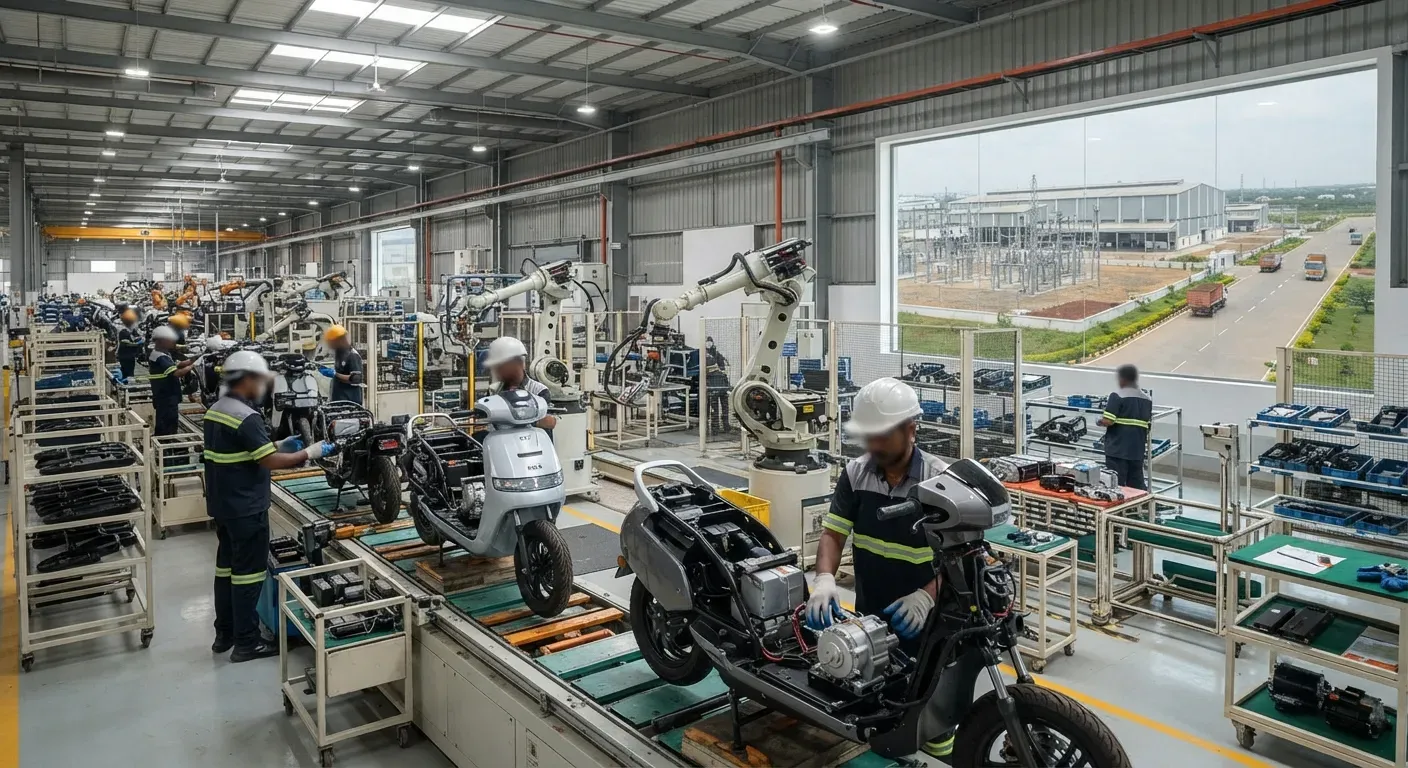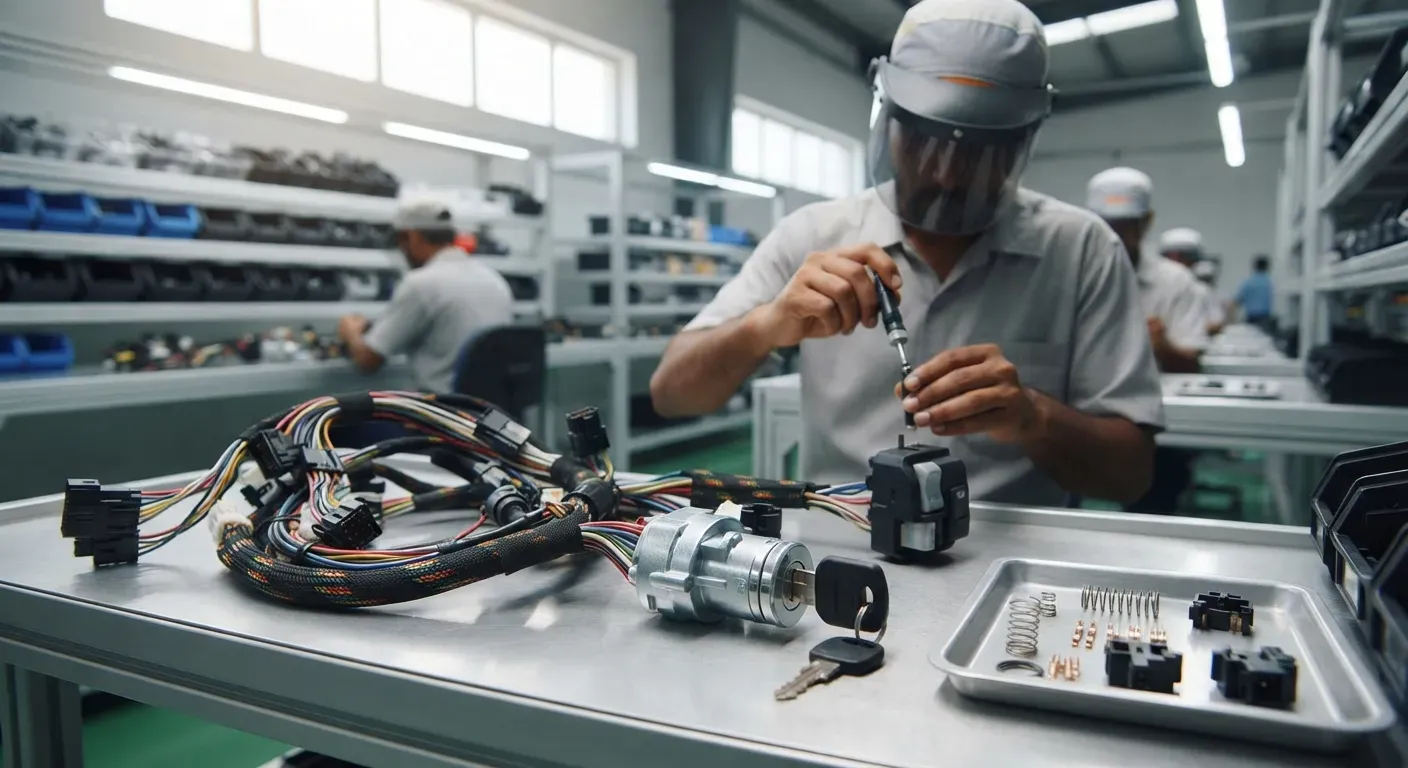
INDIA —Pavna Industries completed the acquisition of a 52.38% equity interest in Pavna Electric Systems Private Limited on November 24, 2026, through the allotment of 11K equity shares at INR 154.50 per share, comprising a face value of INR 10 and a premium of INR 144.50. The cash transaction, valued at INR 1.7 million, increases the target entity's paid-up share capital from INR 100K to INR 210K, making Pavna Electric Systems a direct subsidiary of Pavna Industries. Incorporated in February 2021 and based in India, Pavna Electric Systems manufactures and trades automotive components, including wires, wiring harnesses, switches, locks and related auto parts. The company reported turnover of INR 213 million in FY24, INR 257.8 million in FY25 and INR 258.6 million in FY26, alongside a net worth of INR 15 million and profit after tax of INR 700K as of March 31, 2026.
Bringing an existing commercial partner under direct majority ownership streamlines governance and aligns operational planning across two entities active in automotive electrical and mechanical hardware. Because the transaction involves an interested promoter as a related party, formal valuation governance and arm's-length pricing standards serve to protect minority shareholders while establishing clear control over subsidiary execution.
Within India's automotive components sector, closer integration across wiring harnesses, switches, locks, and allied assemblies reflects ongoing supply chain consolidation among mid-sized Tier-2 and Tier-3 suppliers. Combining complementary production capabilities and hardware portfolios supports tighter coordination on component specifications, tooling utilization, and domestic customer delivery without requiring separate regulatory approvals for the share allotment.
For corporate decision-makers and equity investors, the move illustrates incremental inorganic expansion funded internally in cash rather than through equity dilution at the parent level. While the target's revenue base and profitability remain modest relative to broader industry leaders, disciplined related-party structuring and gradual top-line expansion provide a baseline for evaluating cost efficiencies, intercompany procurement, and consolidated financial reporting going forward.