UNITED STATES OF AMERICA —A multi-million-dollar research initiative has been established to advance high-performance materials critical for national security, aerospace, and energy sectors. Under three-year agreements effective July 2026, Penn State will receive up to $6 million in total funding to develop advanced semiconductor platforms and heat-resistant alloys designed to withstand extreme operational conditions.
Battalion Advanced Technology Ltd is a U.K.-based technology firm specializing in the development of next-generation materials tailored for dual-use commercial and national defense applications. Pennsylvania State University is a major U.S. public research institution, with its Materials Research Institute leading interdisciplinary research across semiconductor physics, advanced manufacturing, and materials characterization.
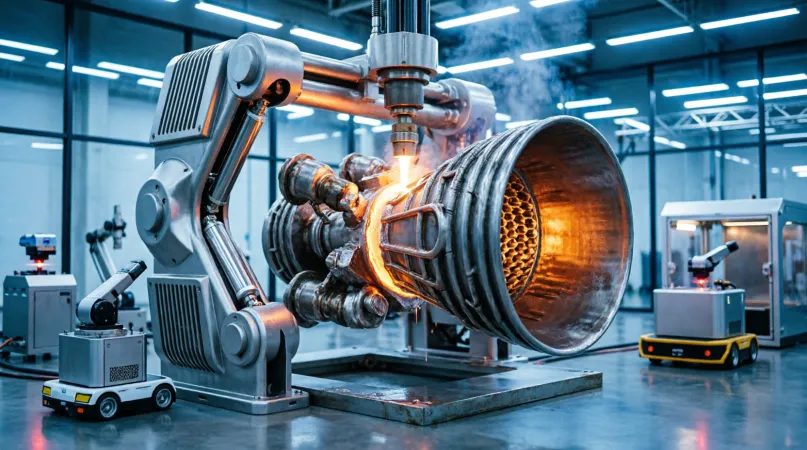
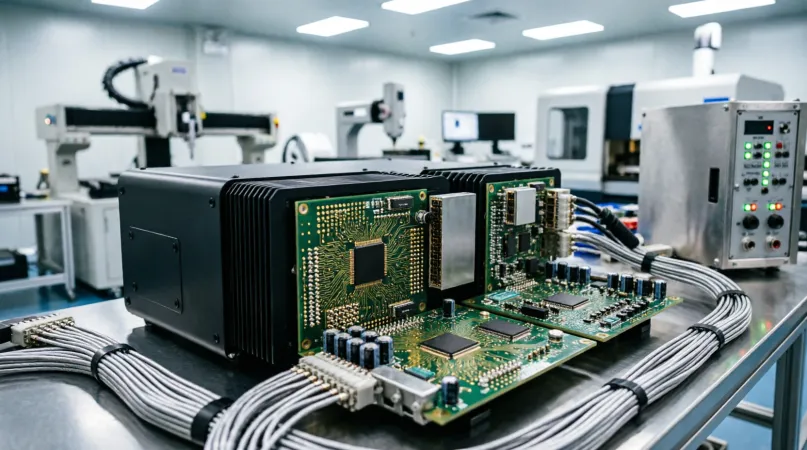
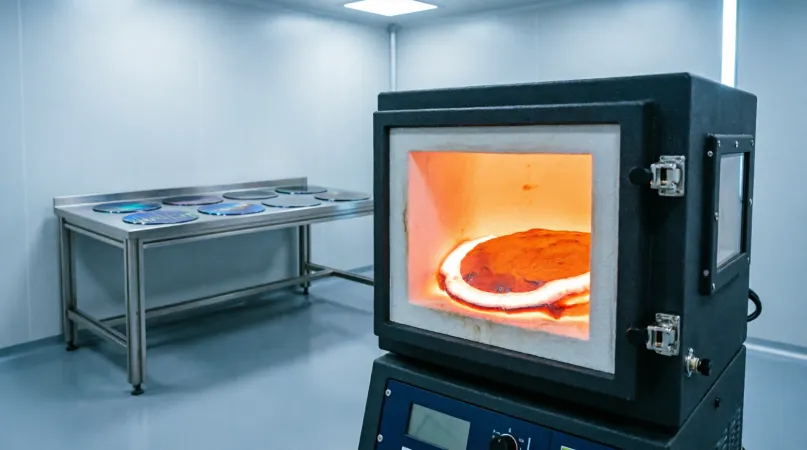
The dual-project collaboration focuses on resolving thermal and structural bottlenecks in extreme-environment technologies. One project investigates the integration of wide-bandgap semiconductors, such as gallium nitride, with high-thermal-conductivity substrates like diamond using atomically thin interlayers. The second project aims to develop refractory metal alloy architectures capable of maintaining structural integrity and resisting oxidation during extreme thermal exposure, including hypersonic atmospheric flight.
The research initiative directly addresses critical vulnerabilities in defense microelectronics and high-temperature material supply chains. Enhancing semiconductor thermal management and structural alloy durability is vital for securing technological competitiveness in defense platforms, space exploration systems, nuclear infrastructure, and advanced industrial manufacturing.
For commercial enterprises, defense contractors, and technology investors, this partnership signals accelerated development in dual-use technologies that bridge the gap between academic materials research and market-ready industrial applications. Strategic investments in wide-bandgap microelectronics and high-temperature alloys are expected to drive performance gains in next-generation communications, power electronics, and aerospace systems across North American and European markets.