UNITED STATES OF AMERICA —Silicon Valley enterprise SiMa.ai has expanded its balance sheet with a $150 million Series C financing round, raising its total institutional capital to $500 million and lifting its enterprise valuation to $1.45 billion. The investment round was co-led by Fidelity Management & Research Company and Amplify, with participation from institutional funds including AllianceBernstein, Baron Capital, Dell Technologies Capital, J.P. Morgan, and the State of Michigan. SiMa.ai is a San Jose-based semiconductor and software development firm that designs integrated hardware and agentic software architectures optimized for physical edge computing and autonomous machinery.
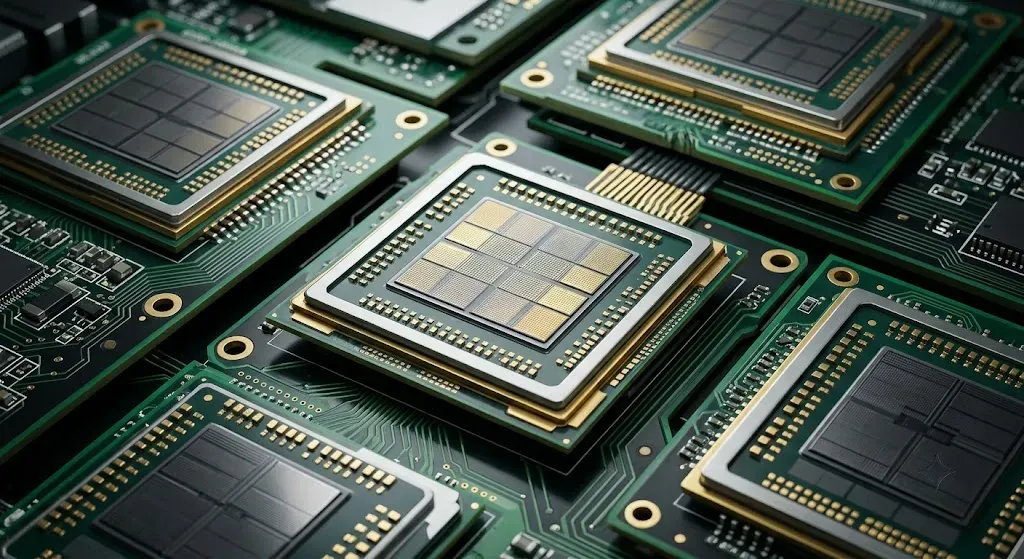
The rapid convergence of machine learning and physical infrastructure marks a critical shift away from traditional cloud-hosted artificial intelligence toward localized, high-density edge processing. Hardware deployed in autonomous field operations requires extreme energy efficiency, low latency, and real-time decision-making capabilities that legacy data center graphics processing units struggle to deliver under tight thermal and power constraints. By commercializing custom system-on-chips and software execution environments, hardware providers aim to drastically reduce the engineering timeline required to deploy intelligent workloads directly onto physical machinery.
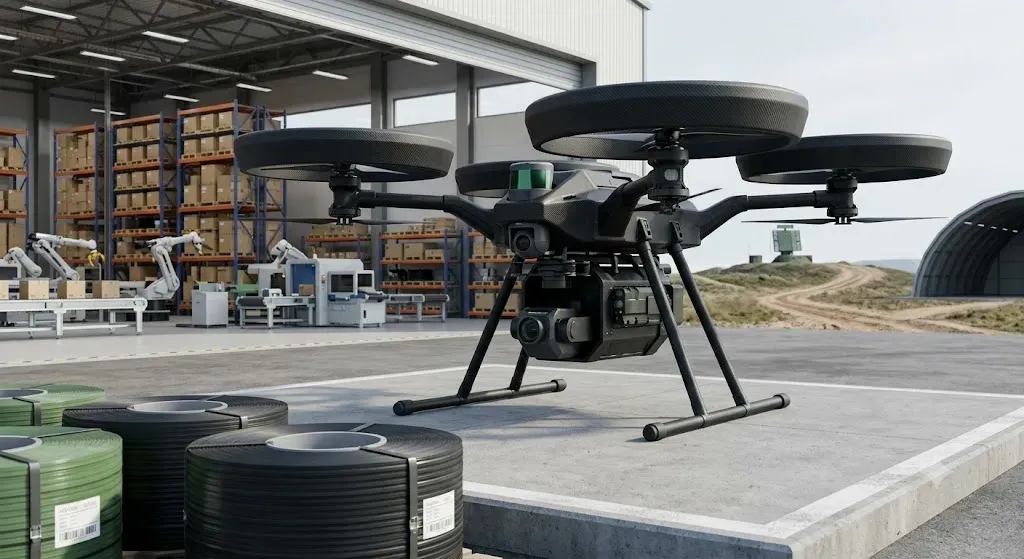
This capital infusion will directly impact industrial automation, advanced automotive systems, and autonomous flight technology. Enterprise adopters and system integrators across global supply chains stand to benefit from standardized compute platforms that facilitate rapid model migration and lower total cost of ownership. The development of multi-hundred-dense TOPS compute IP and chiplet solutions caters directly to OEMs seeking scalable hardware foundations for advanced driver assistance platforms, robotic vision systems, and specialized field equipment.
From a capital markets perspective, strong venture backing for specialized physical computing highlights growing investor confidence in domain-specific silicon over generalized cloud compute architectures. As market demand for edge-deployed autonomous systems accelerates over the next decade, strategic investments in dedicated hardware ecosystems will likely reshape procurement strategies for Tier-1 automotive suppliers, industrial manufacturers, and robotics developers worldwide.